Samsung
Compare models
Differences at a glance
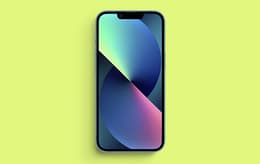
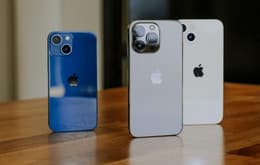
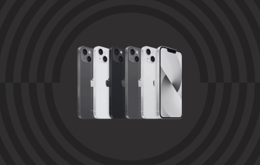
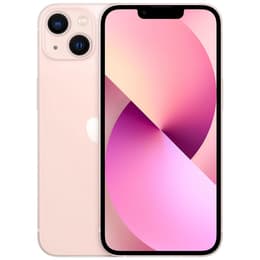
The Samsung Galaxy Z Flip6, released in 2024, and the Apple iPhone 13, launched in 2021, represent distinct approaches to smartphone design and user experience. The most significant differentiator lies in their form factor: the Z Flip6 offers a unique foldable design running on Android, while the iPhone 13 maintains a traditional slab form factor powered by iOS. These differences extend to their core specifications, camera capabilities, and overall user interaction.
Colour
Storage
The practical lifespan of a smartphone is influenced by its release timeline, software support, and physical resilience. The Galaxy Z Flip6, being a newer device from 2024, benefits from a more extended period of software updates compared to the iPhone 13, which was released in 2021. Apple typically provides iOS updates for 5-6 years from a device's launch, while Android devices often receive 4-5 years of major OS updates, with security updates potentially lasting longer.
Year of Release
Compatible with latest Update
OS
Foldable
Performance in daily use is a key factor for many users, encompassing everything from app responsiveness to handling demanding tasks. The Galaxy Z Flip6 is equipped with a current-generation processor, designed to manage intensive applications and multitasking smoothly. The iPhone 13, while featuring a slightly older processor, still delivers a highly responsive experience for everyday activities.
The display is a primary interface for smartphone interaction, and both devices offer distinct visual experiences. The Galaxy Z Flip6 features a dynamic foldable display, while the iPhone 13 provides a traditional, flat screen.
Resolution
Screen type
Camera capabilities are a significant consideration for many users, and both the Galaxy Z Flip6 and iPhone 13 offer capable systems for capturing photos and videos.
Main camera
Front camera
Beyond the core features, several practical elements contribute to the overall user experience and daily convenience of these smartphones.
Weight
Screen size (in)
Mobile network
SIM card
Carrier compatibility
Choosing between the Galaxy Z Flip6 and the iPhone 13 involves weighing the benefits of a modern foldable design against the established reliability of a traditional smartphone. User feedback for the iPhone 13 frequently highlights its strong camera performance, impressive battery life, and overall ease of use, with many appreciating its consistent performance over time. Some users, however, have noted the absence of a higher refresh rate display on the standard iPhone 13 model as a point of comparison with newer devices.
For the Galaxy Z Flip6, common praise points revolve around its innovative foldable form factor, which offers a unique blend of portability and a larger screen experience when unfolded. Users also appreciate its updated camera system and improved battery life compared to previous Flip generations. Potential concerns for some users might include the long-term durability of a foldable screen, though advancements in materials and hinge design aim to address these.
Users prioritizing a compact device that unfolds into a larger display for media consumption and multitasking, coupled with the latest Android features and a modern processor, may find the Galaxy Z Flip6 well-suited to their needs. Conversely, individuals who value a consistent, robust, and familiar user experience within the iOS ecosystem, with a proven track record of software longevity and strong camera performance, might lean towards the iPhone 13. Both devices offer compelling features for different user profiles, and considering a quality-assured refurbished option for either model can provide an eco-friendly alternative for making an informed choice.