
Galaxy Z Flip5 Vs iPhone 12 Pro

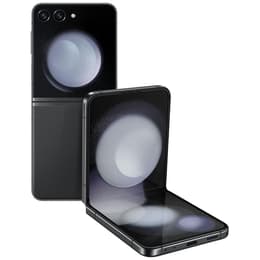
Galaxy Z Flip5
Galaxy Z Flip5
Starting at

Refurbished price:£266.76

Versus £1,145.61 new

See options
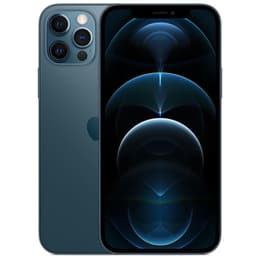
iPhone 12 Pro
iPhone 12 Pro
Starting at

Refurbished price:£204.00

Versus £879.00 new

See options

Ratings

The Samsung Galaxy Z Flip5 (2023) and the Apple iPhone 12 Pro (2020) represent two distinct eras and philosophies in smartphone design. While the Galaxy Z Flip5 introduces a modern foldable form factor that prioritises portability and a large screen, the iPhone 12 Pro remains a classic, high-performance device known for its robust build and integrated ecosystem. The Galaxy Z Flip5 runs on Android with Samsung's custom interface, whereas the iPhone 12 Pro utilises Apple's iOS, offering different software experiences for users depending on their preference for customisation or simplicity.

Scores

Durability

The age gap between these two devices significantly influences their expected software support and physical longevity.

  • Software Longevity: The Galaxy Z Flip5, being released in 2023, is expected to receive security updates and operating system refreshes until approximately 2028, whereas the iPhone 12 Pro, launched in 2020, is approaching the later stages of its official support cycle. This makes the Samsung model a more viable option for users who plan to keep their device for several years while maintaining access to the latest features and security patches.
  • Physical Build and Repairability: The iPhone 12 Pro features a stainless steel frame and a flat glass design that is widely regarded for its structural integrity and resistance to daily wear. In contrast, the Galaxy Z Flip5 uses a complex hinge mechanism and a flexible internal screen that requires more careful handling. Standard slab phones like the iPhone 12 Pro generally offer more straightforward screen and battery replacements compared to the intricate internal components of a foldable device.
  • Environmental Protection: Both devices offer water resistance, but the iPhone 12 Pro's traditional design provides a more sealed environment against dust and debris, whereas the folding nature of the Galaxy Z Flip5 introduces more moving parts that may be susceptible to environmental factors over time.

Year of Release

2023

2020

Compatible with latest Update

Yes

Yes

OS

Android

iOS

Foldable

Yes

No

Performance

Despite the three-year difference in release dates, both devices handle modern applications with ease, though they cater to different usage patterns.

  • System Responsiveness and Multitasking: The Galaxy Z Flip5 benefits from a much newer processor, allowing it to handle intensive multitasking and high-end mobile gaming with greater thermal efficiency and speed. With higher internal memory, the Galaxy Z Flip5 keeps more apps open in the background, while the iPhone 12 Pro relies on efficient software management to maintain a smooth experience even with less hardware memory.
  • Storage and Battery Behaviour: Both devices offer various storage capacities to suit different user needs, ranging from standard to high-capacity options. The Galaxy Z Flip5 features a larger battery capacity and more modern power management, though the iPhone 12 Pro is noted for its consistent standby times and efficient energy use during light tasks. Heavy users may find the newer Samsung model more capable of lasting through a demanding day.
  • Everyday Task Efficiency: For common activities like web browsing, social media, and email, both phones remain highly responsive. However, the Galaxy Z Flip5's newer internals provide more performance headroom, ensuring that the device stays fast as apps become more demanding in the coming years.

Memory (GB)

8 GB

6 GB

Screen quality

The viewing experience is perhaps the most striking difference between these two smartphones, focusing on either flexibility or traditional clarity.

  • Display Technology and Smoothness: The Galaxy Z Flip5 features a foldable internal screen that offers a large viewing area in a compact footprint, alongside a secondary external display for quick notifications. It also boasts a higher refresh rate, which makes scrolling through feeds and navigating the interface feel significantly smoother. The iPhone 12 Pro uses a fixed, high-resolution OLED panel known for its colour accuracy and consistent brightness.
  • Resolution and Outdoor Use: Both screens are designed to be legible in bright sunlight, but the iPhone 12 Pro's flat glass surface often results in fewer reflections compared to the slightly recessed flexible screen of the foldable model. The iPhone's display provides excellent clarity for viewing photos and high-definition video, while the Galaxy Z Flip5 offers a more immersive, elongated aspect ratio for cinematic content.
  • Cover Screen Utility: A unique feature of the Galaxy Z Flip5 is its external display, which allows users to interact with widgets, reply to messages, and control music without unfolding the device. This adds a layer of convenience that the traditional single-screen design of the iPhone 12 Pro cannot match.

Resolution

1080 x 2640

1170 x 2532

Screen type

Foldable Dynamic AMOLED 2X

Super Retina XDR OLED

Audiovisual

Photography and media consumption are handled differently, with the iPhone 12 Pro offering more lens variety and the Galaxy Z Flip5 offering unique shooting angles.

  • Camera Versatility and Low-Light: The iPhone 12 Pro includes a dedicated telephoto lens for optical zooming and a depth-sensing scanner for faster focusing in dark environments, making it a versatile choice for portrait and night photography. The Galaxy Z Flip5 focuses on a dual-camera setup that excels in wide-angle shots and everyday photography, while the iPhone 12 Pro prioritises optical zoom with its dedicated telephoto lens.
  • Video Recording and Audio Quality: The iPhone 12 Pro is frequently cited for its high-quality video recording and natural sound capture, making it a reliable tool for content creators and video calls. The Galaxy Z Flip5 allows for hands-free video calls and filming by partially folding the device, which acts as its own stand, providing a unique advantage for social media creators.
  • Media Consumption Experience: Both devices provide clear stereo sound, though the iPhone 12 Pro offers a slightly fuller audio profile for watching movies or listening to music without headphones. The Galaxy Z Flip5's speakers are well-balanced, but the device's primary appeal for media lies in its large, vibrant internal display.

Main camera

12 megapixels

12 megapixels

Front camera

10 megapixels

12 megapixels

Miscellaneous

Practical daily use is influenced by the physical dimensions and connectivity features of each handset.

  • Portability and Handling: The Galaxy Z Flip5 is designed to fold in half, making it exceptionally pocketable and easy to carry in small bags or pockets. The iPhone 12 Pro is a slim but solid device that feels substantial in the hand due to its high-grade stainless steel materials, offering a more traditional and familiar handling experience.
  • Connectivity and Ports: Both phones support 5G networks for fast mobile data and include modern Wi-Fi and Bluetooth standards. However, the Galaxy Z Flip5 uses a universal USB-C port for charging and data transfer, which is compatible with a wide range of modern accessories. The iPhone 12 Pro uses the proprietary Lightning connector, which may require specific cables for those not already in the Apple ecosystem.
  • Biometric Security and Sensors: The Galaxy Z Flip5 utilises a fast fingerprint sensor built into the power button, which many users find convenient for quick unlocking. The iPhone 12 Pro relies on facial recognition technology, which provides a secure and seamless way to unlock the device and authorise payments just by looking at the screen.

Weight

187 g

187 g

Screen size (in)

6.7 /3.4

6.1

Mobile network

5G

5G

SIM card

Physical SIM + eSIM

Physical SIM + eSIM

Carrier compatibility

Unlocked

Unlocked

User feedback from various forums highlights the distinct appeal of each device. Owners of the Galaxy Z Flip5 often praise its innovative design and the convenience of the cover screen for checking notifications without opening the phone. However, some users express caution regarding the long-term durability of the folding screen and the crease that is visible in certain lighting. Conversely, iPhone 12 Pro users frequently cite the device's reliability, consistent camera performance, and the longevity of the iOS ecosystem as its strongest points, though some note that the battery life may not last as long as newer models during heavy use.

Choosing between these two depends largely on personal priorities. Users who value innovation, a compact form factor, and the latest processing power will likely find the Galaxy Z Flip5 more suitable for their needs. Those who prefer a traditional, durable design with a versatile camera system and a proven track record of software stability may lean toward the iPhone 12 Pro. For those looking for a sustainable choice, opting for a quality-assured refurbished option is an eco-friendly alternative that provides these high-end features while reducing electronic waste. Ultimately, both devices remain capable choices in 2026, serving different lifestyles and technical preferences.

See all articles

Our recent comparisons