Galaxy Tab S9+ (12.4", 2023) Vs iPad Pro (2021, M1 series)

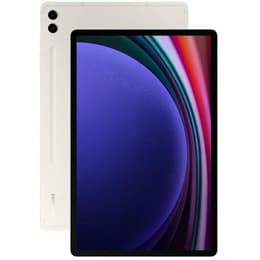
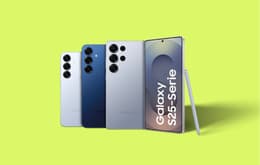
Galaxy Tab S9+ (12.4", 2023)
Starting at

Refurbished price:£444.84

Versus £868.13 new

See options
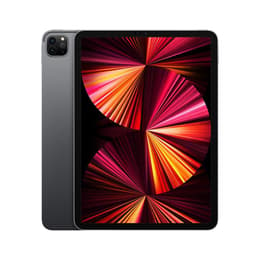
iPad Pro (2021, M1 series)
Starting at

Refurbished price:£359.00

Versus £749.00 new

See options

Ratings

The Samsung Galaxy Tab S9+ (2023) and the Apple iPad Pro 2021 M1 Series (12.9-inch) are high-performance tablets designed for demanding tasks and immersive media consumption. While both offer premium experiences, they differ significantly in their operating systems and display technologies. The Galaxy Tab S9+ runs on Android, providing a versatile ecosystem, whereas the iPad Pro operates on iPadOS, known for its optimized app ecosystem and integration with Apple's hardware. A key distinction lies in the display, with the Tab S9+ featuring a Dynamic AMOLED 2X screen and the iPad Pro utilizing a Liquid Retina XDR mini-LED display.

Scores

Durability

When considering the long-term usability of these tablets, their release timelines and software support policies are important factors.

  • Release and Updates: The iPad Pro 2021 M1 Series was released in May 2021, while the Galaxy Tab S9+ followed in August 2023, making the Samsung tablet the newer device. Apple typically provides 5-6 years of major iPadOS updates and 8-10 years of security updates for its iPads. The iPad Pro 2021, launched with iPadOS 14.5, is currently running iPadOS 26.3.1 as of March 2026, indicating continued robust software support. Samsung, for its part, promises four major Android updates for its Tab S series tablets starting from the S8, and seven years of security updates for flagship devices from 2024 onwards. The Galaxy Tab S9+ launched with Android 13 and has since been updated to Android 15, suggesting it will receive further updates.
  • Repairability: The repairability of both devices presents challenges due to their premium, tightly integrated designs. The Galaxy Tab S9+ has a moderate repairability score, with accessible battery pull tabs being a positive, but the use of adhesive for the screen and plastic covers for internal cables making some repairs delicate. The iPad Pro 2021, similar to earlier iPad Pro models, generally receives low repairability scores from independent assessments, primarily due to extensive use of strong adhesive and a fused display, which can complicate repairs.
  • Practical Lifespan: Users of the iPad Pro M1 often report that the device remains highly capable and fast even years after its release, with many not feeling the need to upgrade for several generations. Similarly, users of the Galaxy Tab S9+ have noted its sustained performance and excellent battery life after a year of use, indicating a strong practical lifespan for demanding tasks like college work and gaming.

Year of Release

2023

2021

Compatible with latest Update

Yes

Yes

OS

Android

iPadOS

Performance

Both tablets offer substantial processing power, designed to handle demanding applications and multitasking with ease, though they achieve this through different hardware architectures.

  • Processing Power: The iPad Pro 2021 is equipped with a powerful processor that delivers exceptional performance for a tablet, allowing for smooth operation across a wide range of professional applications, intensive gaming, and complex creative tasks. Users frequently praise its ability to manage heavy workloads without slowdowns. The Galaxy Tab S9+ features a current-generation processor optimized for its ecosystem, providing a fluid user experience, quick app loading, and efficient multitasking. It is well-suited for productivity, entertainment, and even some demanding games.
  • Multitasking and Responsiveness: The iPad Pro's generous RAM configurations, up to 16GB for higher storage models, contribute to its ability to keep numerous applications open and switch between them seamlessly. This makes it particularly effective for users who frequently juggle multiple tasks or work with large files. The Galaxy Tab S9+ comes with 12GB of RAM, enabling it to maintain smooth performance even with several apps running concurrently, which is beneficial for productivity and content creation.
  • Storage and Battery: The iPad Pro offers a wide array of internal storage options, ranging from 128GB up to 2TB, catering to users with extensive storage needs, though it lacks expandable storage. Its battery capacity supports extended usage, with users reporting it can last through a full day of heavy use. The Galaxy Tab S9+ provides 256GB or 512GB of internal storage, with the added flexibility of microSD card expansion up to 1TB, which is advantageous for users who prefer physical storage expansion. It is equipped with a 10,090 mAh battery, offering robust battery life for daily tasks.

Memory (GB)

12 GB

8 GB

Screen quality

Both tablets offer high-quality displays, but they employ different technologies to deliver their visual experiences.

  • Display Technology and Resolution: The Galaxy Tab S9+ features a 12.4-inch Dynamic AMOLED 2X display, known for its deep blacks, vibrant colors, and excellent contrast. It has a resolution of 1752 x 2800 pixels, resulting in a pixel density of approximately 266 ppi. The 12.9-inch iPad Pro 2021 utilizes a Liquid Retina XDR display with mini-LED backlighting, which allows for precise local dimming, achieving exceptional contrast and HDR performance. Its resolution is 2732 x 2048 pixels, also at 264 ppi.
  • Brightness and Refresh Rate: The iPad Pro's display can reach a sustained brightness of 1000 nits across the full screen and a peak brightness of 1600 nits for HDR content, making it highly visible even in bright environments and excellent for HDR media. The Galaxy Tab S9+ also offers a bright display, with users noting its excellent visibility outdoors. Both tablets feature a 120Hz refresh rate, known as ProMotion on the iPad Pro, which provides incredibly smooth scrolling, responsive touch input, and a fluid experience in compatible apps and games.
  • Viewing Experience: The larger screen size of the 12.9-inch iPad Pro offers an expansive canvas for creative work, media consumption, and multitasking. The 12.4-inch display of the Galaxy Tab S9+ provides a slightly more compact yet still immersive viewing area, which some users find to be an ideal balance between portability and screen real estate.

Resolution

1752 x 2800

2388 x 1668

Screen type

Dynamic AMOLED 2X

Liquid Retina display

Pixel density

270ppp

264ppp

Audiovisual

Both tablets are equipped with capable camera systems, designed for more than just casual snapshots, offering features suitable for video calls, document scanning, and augmented reality applications.

  • Rear Camera System: The Galaxy Tab S9+ features a dual-camera setup on the rear, consisting of a 13MP autofocus main camera and an 8MP ultra-wide camera. This configuration allows for versatile photography, including wider landscape shots. The iPad Pro 2021 also has a 'Pro camera system' with a 12MP Wide camera and a 10MP Ultra Wide camera, offering 2x optical zoom out and digital zoom up to 5x. Both systems are capable of capturing detailed images and are useful for scanning documents or interacting with AR applications.
  • Front Camera and Video: For video conferencing and selfies, the Galaxy Tab S9+ includes a 12MP ultra-wide front camera. The iPad Pro 2021 features a 12MP Ultra Wide front camera with 'Center Stage,' a feature that automatically keeps the user framed during video calls, even as they move around. Both tablets offer high-quality video recording capabilities, suitable for capturing moments or creating content.
  • Audio Experience: Both devices are equipped with quad stereo speakers, tuned by AKG for the Galaxy Tab S9+, and supporting Dolby Atmos, providing a rich and immersive audio experience for media consumption. Users often praise the strong speaker output and sound quality on both tablets.

Miscellaneous

Beyond core performance and display, several practical features contribute to the overall user experience and versatility of these tablets.

  • Connectivity and Ports: The Galaxy Tab S9+ supports Wi-Fi 6E and Bluetooth 5.3, with optional 5G connectivity for cellular models, ensuring fast and reliable wireless connections. It features a USB Type-C 3.2 port for charging and data transfer. The iPad Pro 2021 also offers Wi-Fi 6 and Bluetooth 5.0, with 5G available on cellular models. Its USB-C port is a Thunderbolt / USB 4 port, providing very high data transfer speeds and broader peripheral compatibility.
  • Biometric Security and Stylus: The Galaxy Tab S9+ includes an on-screen fingerprint scanner for secure authentication. It comes with the S Pen included in the box, offering a natural writing and drawing experience. The iPad Pro 2021 uses Face ID for biometric authentication. The Apple Pencil (2nd generation) is supported but sold separately, providing precise input for creative and note-taking tasks.
  • Design and Durability: The Galaxy Tab S9+ has dimensions of 285.4 x 185.4 x 5.7 mm and weighs 581g (Wi-Fi) or 586g (5G). It features a glass front, aluminum back, and aluminum frame, with an IP68 rating for dust and water resistance, offering enhanced durability. The 12.9-inch iPad Pro 2021 measures 280.6 x 214.9 x 6.4 mm and weighs 682g (Wi-Fi) or 685g (Wi-Fi + Cellular). It has an aluminum enclosure and is compatible with accessories like the Magic Keyboard.

Weight

129 g

466 g

Screen size (in)

12.4

11

Network

Wi-Fi

Wi-Fi

Carrier compatibility

Unlocked

Without SIM Port

User feedback for both the Galaxy Tab S9+ and the iPad Pro 2021 M1 Series highlights their strengths and suitability for different user needs. The Galaxy Tab S9+ is frequently praised for its vibrant AMOLED display, the inclusion of the S Pen, and its robust performance for both productivity and entertainment, with users appreciating its versatility within the Android ecosystem. Some users note that while it handles demanding tasks well, very new and graphically intensive games might not always maintain a stable 60 FPS.

The iPad Pro 2021 M1 Series is consistently lauded for its exceptional processing power, which remains highly capable for professional workflows, intensive creative applications, and seamless multitasking even years after its release. Its Liquid Retina XDR display is also a significant highlight, offering outstanding brightness and contrast. Criticisms often revolve around iPadOS, with some users feeling that the software does not fully leverage the hardware's potential, particularly for advanced desktop-like functionalities or specific browser extensions.

Users prioritizing a brilliant AMOLED display, expandable storage, and an included stylus for note-taking and drawing within the Android environment may find the Galaxy Tab S9+ well-suited to their needs. Its IP68 rating also offers an advantage for those requiring more environmental resistance. Conversely, users who prioritize raw processing power for demanding applications, a highly optimized app ecosystem, and the advanced display technology of the Liquid Retina XDR screen, particularly for HDR content, may lean toward the iPad Pro 2021 M1 Series. Both devices represent excellent choices in the premium tablet segment, and considering a quality-assured refurbished option for either can be a sustainable choice for consumers.


See all articles

Our recent comparisons