iPhones
Compare models
Differences at a glance
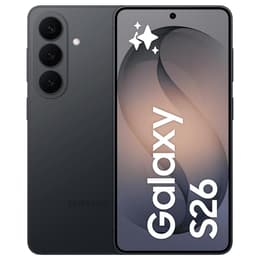
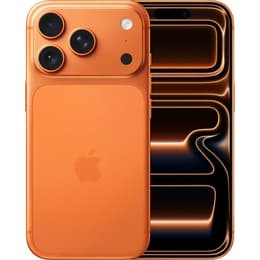
The Samsung Galaxy S26 (2026) and the Apple iPhone 17 Pro (2025) represent two leading approaches to contemporary smartphone design, operating systems, and ecosystem integration. While both flagships deliver high-end hardware in compact, pocket-friendly footprints, they diverge significantly in software philosophy and day-to-day usability. The Galaxy S26 runs on Android with Samsung's custom interface, whereas the iPhone 17 Pro operates on Apple's iOS platform, making software ecosystem preference a primary differentiator between the two devices.
Colour
Storage (GB)
Both manufacturers support their flagship lines with long-term software updates and robust physical builds designed to withstand years of standard daily wear. Users choosing either model can expect extended usability backed by multi-year operating system updates and security patches.
Year of Release
Equipped with current-generation hardware and generous baseline storage capacities, both smartphones handle demanding workflows, everyday multitasking, and graphics-intensive applications with ease. System fluidity remains high across both platforms, though thermal management under heavy, sustained workloads differs between the two designs.
The Galaxy S26 and iPhone 17 Pro feature vibrant, high-refresh-rate OLED displays that deliver sharp text, deep black levels, and fluid scrolling performance. Outdoor legibility is exceptional on both panels, ensuring clear visibility even under direct sunlight.
Versatile multi-lens configurations allow both smartphones to capture detailed photographs and high-definition video across various lighting conditions. Integrated processing tools automatically refine clarity, exposure, and color fidelity for immediate sharing.
Practical physical characteristics, connectivity standards, and sensor suites define how each device integrates into a user's daily routine, from wired data transfers to wireless network speeds.
Screen size (in)
Mobile network
SIM card
Carrier compatibility
Connector
User discussions across community forums highlight strong satisfaction with the screen clarity, build quality, and camera consistency of both devices. Common praise for the iPhone 17 Pro centers on its smooth video capabilities and long-term ecosystem synergy, while Galaxy S26 owners frequently commend its flexible software customization and display brightness. Some users note that intensive gaming can cause noticeable warmth on both chassis designs under prolonged loads, but overall reliability scores remain high for daily productivity and media tasks.
Users prioritizing deep integration with Apple services and advanced mobile video tools will find the iPhone 17 Pro well-suited to their workflow. Conversely, users who prefer extensive operating system customization and flexible file management may lean toward the Galaxy S26. For those seeking a sustainable choice, a quality-assured refurbished option provides a reliable, eco-friendly alternative to purchasing brand-new hardware.