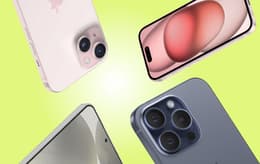
Galaxy S25+ Vs iPhone 15

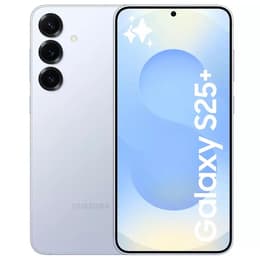
Galaxy S25+
Galaxy S25+
Starting at

Refurbished price:£550.00

Versus £958.39 new

See options
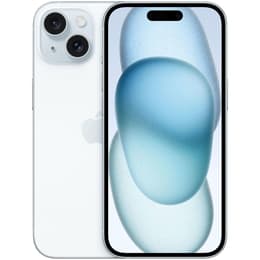
iPhone 15
iPhone 15
Starting at

Refurbished price:£326.00

Versus £699.00 new

See options

Ratings

The Samsung Galaxy S25 Plus, released in early 2025, and the Apple iPhone 15, launched in late 2023, represent two distinct philosophies in the smartphone market. While the Galaxy S25 Plus is a newer, larger-format device running the latest version of Android, the iPhone 15 offers a more compact experience within the iOS ecosystem. The primary differences between these two models lie in their release timing, display dimensions, and the specific software features that define their respective user experiences.

Choosing between these devices often comes down to a preference for screen real estate and operating system familiarity. The Galaxy S25 Plus introduces the latest hardware refinements from Samsung's 2025 lineup, whereas the iPhone 15 remains a staple of Apple's modern smartphone range, offering a streamlined interface and consistent performance. Both devices are designed to handle demanding daily tasks, but they prioritise different aspects of the mobile experience, from screen fluidity to camera versatility.

Scores

Durability

When evaluating how long these devices will remain functional and relevant, the release dates and manufacturer support policies play a significant role in determining their practical lifespan.

  • Software Support Longevity: The Galaxy S25 Plus benefits from a generous support policy, with the manufacturer promising seven years of operating system and security updates from its 2025 launch. In contrast, the iPhone 15, released in 2023, typically receives five to six years of software updates, meaning both devices offer extensive long-term utility, though the Samsung model has a later expiration date due to its more recent release.
  • Physical Build and Repairability: Both smartphones feature robust construction with high-grade glass and metal frames, designed to withstand daily wear. The iPhone 15 has seen improvements in internal design to make screen and back glass replacements more straightforward, while the Galaxy S25 Plus continues Samsung's trend of modular internal components, which assists professional technicians in performing common repairs like battery swaps.
  • Hardware Relevance: Because the Galaxy S25 Plus is a newer model, its internal components are designed to meet the software demands of the late 2020s. The iPhone 15, while older, uses highly efficient hardware that has historically aged well, maintaining smooth operation even as newer versions of iOS are introduced over several years.

Year of Release

2025

2023

OS

Android

iOS

Foldable

No

No

Performance

Performance in these devices is defined by how smoothly they handle multitasking, high-demand applications, and sustained daily use without lag or overheating.

  • System Responsiveness and Multitasking: The Galaxy S25 Plus is engineered for heavy multitasking, allowing users to run multiple apps in split-screen mode or floating windows with ease. Its internal memory management ensures that background tasks remain active without slowing down the primary interface. The iPhone 15, while having less raw memory on paper, uses a highly integrated software-hardware approach that makes the interface feel incredibly fluid and responsive, especially when switching between core applications.
  • Battery Endurance and Charging: With its larger physical footprint, the Galaxy S25 Plus houses a high-capacity battery that comfortably lasts through a full day of intensive use, including navigation and media streaming. The iPhone 15 features a smaller battery but benefits from significant software optimisations that allow it to maintain a full day of moderate use, though power users may find themselves reaching for a charger sooner than they would with the Samsung model.
  • Gaming and App Loading: Both devices handle modern mobile games and photo editing software with ease. The Galaxy S25 Plus provides a consistent frame rate for long gaming sessions, while the iPhone 15 offers rapid app launch speeds and a stable environment for creative tools, ensuring that neither device feels sluggish during demanding tasks.

Memory (GB)

12 GB

6 GB

Screen quality

The viewing experience is one of the most immediate differences between these two smartphones, impacting everything from reading text to watching high-definition video.

  • Display Technology and Smoothness: The Galaxy S25 Plus features a large 6.7-inch display with an adaptive refresh rate that reaches 120Hz, resulting in very smooth scrolling and animations. The iPhone 15 uses a 6.1-inch OLED display which provides deep blacks and excellent colour accuracy, but it is limited to a standard 60Hz refresh rate, which may feel less fluid to users who are accustomed to higher-speed screens.
  • Brightness and Outdoor Visibility: For users who frequently use their phones outside, the Galaxy S25 Plus offers exceptionally high peak brightness, making the screen easy to read even under direct midday sun. The iPhone 15 also performs well in bright conditions, featuring a high-brightness mode that ensures clarity for maps and messages when outdoors, though it does not reach the same peak levels as the newer Samsung model.
  • Clarity and Immersion: The Galaxy S25 Plus provides a more immersive experience for media consumption due to its larger size and minimal bezels. The iPhone 15, while smaller, features the Dynamic Island at the top of the screen, which integrates software notifications with the camera cutout, providing a unique way to interact with ongoing activities like music playback or timers.

Resolution

1440x3120

1179 x 2556

Audiovisual

Both manufacturers have prioritised photography, but they offer different lens configurations and image processing styles that suit different types of photographers.

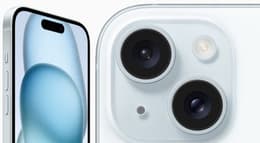
  • Versatility and Zoom Capabilities: The Galaxy S25 Plus includes a triple-camera system featuring a dedicated telephoto lens, which allows for clear zoomed-in photos of distant subjects. The iPhone 15 utilises a dual-camera system; while it lacks a physical telephoto lens, it uses its high-resolution main sensor to provide a digital crop that mimics a 2x zoom, though it cannot match the optical reach of the Samsung for long-distance shots.
  • Image Processing and Natural Tones: Apple is known for a more natural approach to colour and skin tones, which many users prefer for portraits and everyday snapshots. Samsung's processing tends to produce more vibrant, punchy colours and sharper details, which can make landscapes and architectural photos look particularly striking without the need for additional editing.
  • Video Quality and Stability: The iPhone 15 is often cited by users for its consistent video performance, offering smooth stabilisation and excellent dynamic range in various lighting conditions. The Galaxy S25 Plus counters with advanced video features, including the ability to record in extremely high resolutions and providing professional-grade manual controls for users who want to fine-tune their recordings.

Miscellaneous

Beyond the core specifications, the physical design and connectivity options influence how these devices feel in the hand and how they integrate into a user's digital life.

  • Biometrics and Security: The Galaxy S25 Plus uses an ultrasonic fingerprint sensor embedded under the display, which works quickly even if fingers are slightly damp. The iPhone 15 relies on FaceID, a facial recognition system that is highly secure and integrates seamlessly with banking apps and password managers, though some users may prefer the tactile nature of a fingerprint scanner.
  • Portability and Handling: The iPhone 15 is significantly lighter and narrower, making it much easier to use with one hand and more comfortable in smaller pockets. The Galaxy S25 Plus, while larger and heavier, offers more screen space for productivity, though its size may require two-handed use for many tasks.
  • Connectivity and Ports: Both devices have transitioned to USB-C ports, allowing for universal charging cables and easy connection to external drives or monitors. They both support 5G for fast mobile data and the latest Wi-Fi standards, ensuring they are ready for high-speed home and public internet connections.

Weight

190 g

171 g

Screen size (in)

6.7

6.1

Mobile network

5G

5G

SIM card

Dual Physical SIM

Physical SIM + eSIM

Carrier compatibility

Unlocked

Unlocked

In summary, the choice between the Samsung Galaxy S25 Plus and the iPhone 15 depends largely on what a user values most in their daily mobile experience. Based on community discussions and user feedback, the Galaxy S25 Plus is frequently praised for its expansive, fluid 120Hz display and its versatile camera system that includes a dedicated zoom lens. Some users, however, find its larger size a bit cumbersome for one-handed use. On the other hand, the iPhone 15 is lauded for its compact, lightweight design and the simplicity of the iOS ecosystem, though some tech-focused users occasionally note the absence of a high refresh rate screen as a missed opportunity for a modern device.

Users who prioritise media consumption, multitasking, and having the latest screen technology will likely find the Galaxy S25 Plus better suited to their needs. Conversely, those who prefer a device that is easy to handle, offers a straightforward user interface, and fits comfortably into a smaller pocket will likely lean toward the iPhone 15. For those looking to make a sustainable choice, opting for a quality-assured refurbished option is an excellent way to access these high-performing devices while reducing environmental impact. Ultimately, both smartphones are highly capable tools that provide a reliable and modern experience, whether you choose the feature-rich Samsung or the streamlined iPhone. Choosing a refurbished model from a trusted source ensures you receive a device that has been thoroughly tested, making it a practical and eco-friendly alternative to buying new.


See all articles

Our recent comparisons