
Compare models
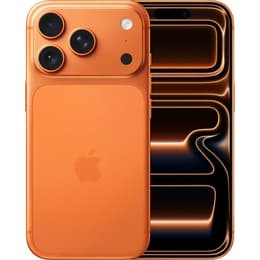
Galaxy S25 Ultra Vs iPhone 17 Pro
- 1-year minimum warranty
- Free delivery on all items
- Free 30-day returns
Differences at a glance
The Samsung Galaxy S25 Ultra (2025) and the Apple iPhone 17 Pro (2025) represent the pinnacle of current mobile technology, offering premium features and advanced hardware for mobile users. While both flagship smartphones deliver powerful daily performance and versatile capabilities, they cater to distinct ecosystems through their respective operating systems, Android and iOS. Choosing between these two devices often depends on personal preferences regarding software environments, hardware design, and specific daily workflows.
Available Models
Colour
Storage (GB)
Scores
Durability
When examining longevity and hardware support, both manufacturers provide extensive software update lifecycles to ensure multi-year usability. The structural design and internal support systems of each device influence their long-term durability and maintenance ease.
- Software Support Duration: Both devices receive multi-year operating system updates and security patches, matching industry expectations for long-term ownership and software security.
- Repairability and Build: Both smartphones utilize durable exterior frames and glass protection layers designed to withstand daily wear, while certified repair options help maintain device longevity as a quality-assured refurbished option.
- Battery Degradation: Modern power management software on both operating systems helps preserve battery health over years of regular charging cycles.
Year of Release
2025
2025
Performance
Underneath the exterior, both smartphones house advanced processing hardware capable of managing heavy workloads, complex multitasking, and demanding mobile applications without stuttering. System optimization ensures fluid navigation across both platforms.
- Multitasking and App Loading: Generous memory allocation allows multiple resource-heavy applications to remain open simultaneously, enabling quick switching and smooth background processing.
- Thermal Efficiency and Gaming: Advanced cooling architectures help sustain high performance during extended gaming sessions or intensive graphic rendering tasks without abrupt slowdowns.
- Storage Configurations: Multiple internal storage tiers accommodate large media libraries, high-resolution video files, and extensive application collections.
Screen quality
Visual output on both devices utilizes advanced display technology that delivers sharp text, vibrant colors, and smooth motion handling for media consumption and daily navigation.
- Panel Technology and Clarity: High-resolution displays provide deep contrast ratios and accurate color reproduction, ensuring crisp text and clear image rendering under various lighting conditions.
- Outdoor Visibility: High peak brightness capabilities allow content to remain easily legible even under direct sunlight, reducing eye strain during outdoor use.
- Refresh Rate and Fluidity: Adaptive refresh rate technology scales smoothness dynamically, ensuring fluid scrolling while preserving battery life during static tasks like reading.
Audiovisual
Imaging capabilities on both smartphones provide versatile toolsets for capturing everyday moments, expansive landscapes, and detailed close-up subjects across varied lighting conditions.
- Main and Ultra-Wide Imaging: High-resolution primary sensors capture crisp detail in low-light environments, complemented by ultra-wide lenses for sweeping vistas and group shots.
- Video Recording Stability: Advanced stabilization features and high-definition recording modes produce smooth, professional-grade video content with clear audio capture from built-in microphones.
- Media Consumption Experience: Stereo speaker setups deliver balanced sound output for casual video viewing, music playback, and hands-free calls.
Miscellaneous
Practical daily features, connectivity standards, and physical ergonomics define how each device integrates into a user's everyday routine and accessory ecosystem.
- Connectivity Standards: Both models support modern 5G cellular networks, high-speed Wi-Fi standards, and current Bluetooth protocols for reliable wireless accessories.
- Biometric Authentication: Secure identification methods combine facial recognition and biometric sensors for quick unlocking and secure payment authorization.
- Ergonomics and Handling: Form factors differ slightly in corner geometry and weight distribution, impacting how each phone rests in the hand or pocket during extended use.
Screen size (in)
6.9
6.3
Mobile network
5G
5G
SIM card
Dual Physical SIM
Physical SIM + eSIM
Carrier compatibility
Unlocked
Unlocked
Connector
USB-C
USB-C
What the community thinks
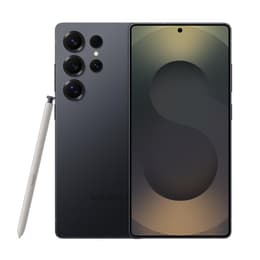
User discussions across community forums highlight distinct preferences for each flagship device. Owners of the Galaxy S25 Ultra frequently praise its expansive display area, integrated stylus versatility, and flexible file management system. Conversely, users favor the iPhone 17 Pro for its optimized ecosystem integration, reliable video capture consistency, and streamlined user interface. Common criticisms for both models usually center on their large physical footprints and the premium weight associated with heavy-duty materials, which some users find tiring during one-handed operation.
Users prioritizing multitasking flexibility, file management freedom, and an integrated writing tool will find the Galaxy S25 Ultra well-suited to their workflow. On the other hand, users focused on seamless ecosystem connectivity, video production quality, and streamlined software simplicity may lean toward the iPhone 17 Pro. Selecting either device as a quality-assured refurbished option provides a sustainable choice that reduces electronic waste while delivering top-tier performance tailored to individual preferences.