Compare models

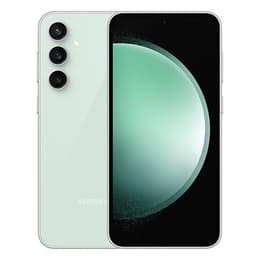
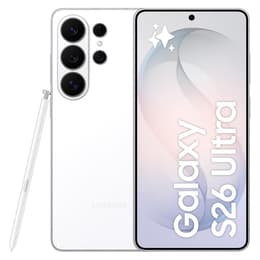
Galaxy S24 FE Vs Galaxy S26 Ultra

  • 1-year minimum warranty
  • Free delivery on all items
  • Free 30-day returns
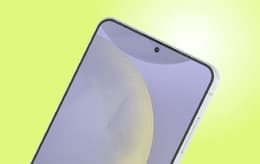
Galaxy S24 FE
Starting at

Refurbished price:£262.00

Versus £738.05 new

See options
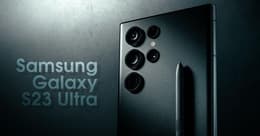
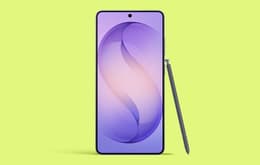
Galaxy S26 Ultra
Starting at

Refurbished price:£880.99

Versus £1,449.00 new

See options

Differences at a glance

The Samsung Galaxy S24 FE (2024) and the Samsung Galaxy S26 Ultra (2026) represent two different tiers and generations of Samsung's smartphone lineup, balancing mainstream accessibility with high-end capabilities. While both run on the Android operating system with Samsung's custom interface, they cater to different expectations regarding internal hardware, design footprints, and advanced toolsets.

Choosing between these two models involves weighing daily usage requirements against specific hardware capabilities, as their distinct design philosophies shape how each device handles everyday tasks, media consumption, and long-term utility.

Available Models

Colour

Storage (GB)

Scores

Durability

When examining longevity and structural upkeep, both devices offer robust software support lifelines, though their release schedules place them at different stages of their respective life cycles.

  • Software Support and Updates: Both models benefit from extended software update commitments, though the newer model provides a longer window of future security patches and system upgrades due to its more recent release year.
  • Repairability and Build Integrity: Each device features sealed glass and metal constructions that require professional tools for internal component repairs, scoring similarly on overall structural durability during accidental drops.
  • Expected Practical Lifespan: Users can expect several years of reliable daily performance from either device, with the more recent model retaining active software compatibility further into the future.

Year of Release

2024

2026

Compatible with latest Update

Yes

Yes

OS

Android

Android

Foldable

No

No

Performance

Underneath the surface, these two smartphones handle multitasking, app loading, and processing demands differently based on their internal architecture and hardware generation.

  • App Loading and Multitasking: Both devices switch between open applications smoothly, though the newer model handles heavy graphics processing and intensive gaming workflows with faster load times and enhanced thermal stability.
  • Battery Behavior and Endurance: The Galaxy S26 Ultra features a larger battery capacity and advanced energy-efficiency management, lasting longer through heavy usage days compared to the more modest battery sizing found in the Galaxy S24 FE.
  • Storage Configurations: Both smartphones offer multiple internal storage tiers to accommodate media libraries, applications, and documents without requiring physical expansion cards.

Screen quality

Visual output varies across both devices in terms of physical dimensions, panel technologies, and outdoor legibility under bright sunlight conditions.

  • Display Technology and Clarity: Both models utilize vibrant OLED panel technology that produces deep blacks and sharp text rendering, though the Galaxy S26 Ultra incorporates a larger screen real estate suited for immersive media viewing.
  • Brightness and Outdoor Legibility: The Galaxy S26 Ultra reaches higher peak outdoor brightness levels, making on-screen content easier to read under direct sunlight compared to the Galaxy S24 FE display.
  • Refresh Rate and Motion Smoothness: Both devices support high refresh rates that keep scrolling through web pages and user interface menus looking fluid and responsive.

Resolution

1080 x 2340

1440 x 3120

Audiovisual

Photography and audio capabilities differ substantially, reflecting the distinct hardware tiers of a mainstream device versus a top-tier flagship model.

  • Camera System Versatility: The Galaxy S26 Ultra includes an advanced multi-lens array featuring high-resolution main sensors and dedicated telephoto zoom lenses, while the Galaxy S24 FE provides a simpler triple-lens setup covering standard wide, ultra-wide, and basic zoom focal lengths.
  • Low-Light and Video Performance: The larger image sensors on the Galaxy S26 Ultra capture more detail in dim lighting environments and support stable, high-definition video recording with advanced stabilization features.
  • Audio and Speaker Output: Both devices feature stereo speakers that deliver clear sound for hands-free calls and casual video viewing, though the Galaxy S26 Ultra produces a wider soundstage with deeper low-end response.

Front camera

10 megapixels

12.0

Miscellaneous

Practical daily usability elements such as connectivity standards, physical dimensions, and biometric sensors shape how these devices fit into everyday routines.

  • Connectivity and Port Standards: Both smartphones support modern 5G networks, fast Wi-Fi standards, and Bluetooth connections, utilizing reversible USB-C ports for charging and data transfer.
  • Physical Dimensions and Handling: The Galaxy S24 FE offers a more compact and lightweight form factor that fits easily into smaller pockets, whereas the Galaxy S26 Ultra features a larger, heavier body that requires two-handed use for extended periods.
  • Biometrics and Authentication: Both devices incorporate under-display fingerprint scanners and secure facial recognition options for quick unlocking and app verification.

Weight

213 g

214 g

Screen size (in)

6.7

6.9

Mobile network

5G

5G

SIM card

Physical SIM

Dual Physical SIM + eSIM

Carrier compatibility

Unlocked

Unlocked

Connector

USB-C

USB-C

What the community thinks

Community discussions and user feedback indicate that the Galaxy S24 FE earns praise for offering a balanced feature set in a manageable physical size, though some users note that its battery life requires mindful management during heavy travel days. Meanwhile, the Galaxy S26 Ultra receives frequent commendation for its expansive display, long-lasting battery capacity, and versatile camera system, though users occasionally point out its large physical footprint and heavier weight as minor drawbacks during one-handed operation.

Users prioritizing a compact form factor, straightforward daily functionality, and a balanced feature set will find the Galaxy S24 FE well-suited to their needs. Conversely, users prioritizing advanced camera zoom capabilities, maximum battery endurance, and a large display for media consumption may lean toward the Galaxy S26 Ultra. For those interested in a quality-assured refurbished option, exploring sustainable choices through Back Market allows buyers to acquire these devices while minimizing environmental impact. Ultimately, the right choice depends entirely on individual daily workflows and hardware preferences rather than any universal standard of superiority.