Compare models
Galaxy S23 Vs Galaxy S26 Ultra
- 1-year minimum warranty
- Free delivery on all items
- Free 30-day returns
Differences at a glance
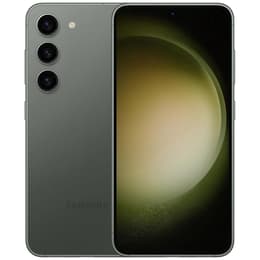
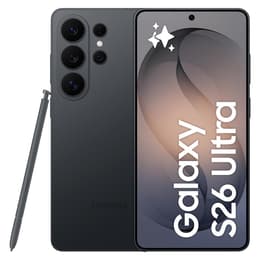
The Samsung Galaxy S23 (2023) and the Samsung Galaxy S26 Ultra (2026) are advanced Android smartphones representing distinct eras of mobile design and technological capability. While both serve demanding mobile users, they differ significantly in physical scale, processing generations, and specialized features like stylus integration. Both devices run on Google's Android operating system paired with Samsung's custom interface, though they occupy different positions in software longevity and hardware innovation.
Available Models
Colour
Storage
Scores
Durability
When comparing longevity and physical durability, these models reflect their years of release and differing commitments to long-term software support.
- Release timeline and age: The Galaxy S23 launched in early 2023, whereas the Galaxy S26 Ultra debuted in early 2026, creating a three-year technological gap between their manufacturing cycles.
- Software support duration: The Galaxy S26 Ultra is backed by an extensive multi-year update schedule covering up to seven major operating system upgrades, while the Galaxy S23 follows a shorter four-year software upgrade path.
- Expected practical lifespan: Users selecting a quality-assured refurbished option like the Galaxy S23 benefit from a proven track record, while the newer model provides extended future readiness for long-term daily ownership.
Year of Release
2023
2026
Compatible with latest Update
Yes
Yes
OS
Android
Android
Foldable
No
No
Performance
System responsiveness and daily multitasking behavior vary notably due to hardware generations and internal memory capacities.
- Storage and memory options: The Galaxy S23 provides configurations starting at lower baseline storage tiers with modest memory, whereas the Galaxy S26 Ultra begins at higher capacity thresholds accompanied by substantially larger random-access memory pools for intensive workflows.
- Everyday task handling: Both devices load common applications smoothly and switch between tasks without noticeable lag, though the newer processor architecture in the Galaxy S26 Ultra manages heavy gaming and high-load rendering with increased thermal efficiency.
- Battery behavior: The Galaxy S23 features a smaller physical cell suited for light-to-moderate daily routines, while the Galaxy S26 Ultra incorporates a higher-capacity battery designed to sustain extended periods of heavy use before requiring a recharge.
Screen quality
Display characteristics differ substantially in physical dimensions, sharpness levels, and specialized viewing technologies.
- Display technology and size: The Galaxy S23 utilizes a compact 6.1-inch dynamic display focused on one-handed usability, while the Galaxy S26 Ultra offers a much larger 6.9-inch panel that expands workspace immersion for media consumption.
- Resolution and outdoor clarity: The Galaxy S26 Ultra features a higher resolution layout and advanced anti-reflective glass coatings that improve legibility under direct sunlight compared to the standard panel on the older model.
- Smoothness and refresh rates: Both models support adaptive high refresh rates reaching up to 120Hz, ensuring fluid scrolling through web pages and responsive touch interactions during daily navigation.
Resolution
1080 x 2340
1440 x 3120
Audiovisual
Optics and media playback systems vary from versatile multi-lens arrays to compact everyday photography tools.
- Camera capabilities: The Galaxy S23 relies on a dependable triple-lens setup suited for general photography, whereas the Galaxy S26 Ultra employs a versatile quad-lens configuration featuring high-resolution primary sensors and extended optical zoom lenses for distant subjects.
- Low-light and video performance: The Galaxy S26 Ultra captures finer details in dark environments and supports higher-resolution video recording modes with advanced stabilization, while the Galaxy S23 delivers reliable snapshots for casual sharing.
- Audio output: Both devices deliver clear stereo sound for calls and media playback, though the larger internal acoustic chambers on the Ultra variant provide a slightly fuller sound profile during video viewing.
Front camera
12 megapixels
12.0
Miscellaneous
Practical everyday utilities, physical proportions, and accessory support highlight distinct design philosophies.
- Physical dimensions and weight: The Galaxy S23 is light and easily pocketable for travelers, whereas the Galaxy S26 Ultra has a larger, heavier footprint that accommodates an internal stylus slot for handwritten notes.
- Connectivity standards: The Galaxy S26 Ultra supports newer wireless communication standards like advanced Wi-Fi protocols, ensuring faster data transfer speeds when paired with compatible home routers.
- Build materials: Both models incorporate durable aluminum frames and high-grade glass panels combined with certified dust and water resistance for reliable field usage.
Weight
350 g
214 g
Screen size (in)
6.1
6.9
Mobile network
5G
5G
SIM card
Physical SIM + eSIM
Physical SIM + eSIM
Carrier compatibility
Unlocked
Unlocked
Connector
USB-C
USB-C
What the community thinks
User discussions and community feedback indicate distinct preferences depending on individual lifestyle requirements. Owners of the Galaxy S23 frequently praise its lightweight form factor and pocket-friendly dimensions, making it a favorite for minimalists. However, some users note that its smaller battery requires careful management during intensive travel days. Conversely, community feedback for the Galaxy S26 Ultra highlights widespread appreciation for its expansive display workspace, built-in productivity stylus, and long-lasting battery reserve, though critics often point out that its large physical size can be cumbersome for single-handed operation.
Users prioritizing compact portability and straightforward everyday smartphone functions will find the Galaxy S23 well-suited to their needs, especially when exploring sustainable choices like a quality-assured refurbished model. Meanwhile, users prioritizing maximum screen workspace, advanced photography zoom, and integrated note-taking tools will lean toward the Galaxy S26 Ultra. Evaluating personal daily habits regarding device weight, screen dimensions, and software longevity will guide the final decision between these two distinct mobile options.