Compare models
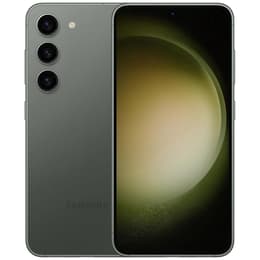
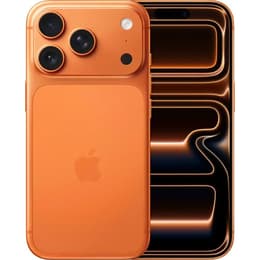
Galaxy S23 Vs iPhone 17 Pro
- 1-year minimum warranty
- Free delivery on all items
- Free 30-day returns
Differences at a glance
The Samsung Galaxy S23 (2023) and the Apple iPhone 17 Pro (2025) are high-end smartphones designed to handle demanding daily tasks with ease, though they originate from different release years and distinct software ecosystems. While the Galaxy S23 relies on the Android platform, the iPhone 17 Pro operates on iOS, introducing substantial generational improvements in processing power and display technology. These two devices cater to users looking for compact or moderately sized flagship experiences with distinct software environments.
Available Models
Colour
Storage
Scores
Durability
When evaluating hardware longevity and software support, both devices approach update lifecycles differently due to their distinct release timelines and operating systems.
- Software Support: The iPhone 17 Pro benefits from a more recent release year, ensuring extended major operating system updates, whereas the Galaxy S23 occupies an earlier point in its software support lifecycle.
- Repairability: Both manufacturers provide structured repair networks, though service availability and component replacement ease vary depending on regional service options.
- Expected Lifespan: Robust build materials and high-tier internal components allow both models to maintain reliable everyday functionality across several years of ownership.
Year of Release
2023
2025
Compatible with latest Update
Yes
Yes
OS
Android
iOS
Foldable
No
No
Performance
Performance capabilities differ notably between the two handsets, reflecting their generation gap and distinct internal architectures.
- Multitasking and Responsiveness: The iPhone 17 Pro features a larger pool of memory alongside a current-generation processor, handling heavy background tasks and intense workloads smoothly. The Galaxy S23 manages daily apps, browsing, and moderate gaming efficiently with its capable hardware configuration.
- Storage Configurations: Both devices offer ample internal storage tiers to accommodate large media libraries and applications, though neither includes expandable storage via card slots.
- Battery Behavior: The Galaxy S23 relies on a smaller physical cell that generally requires a daily recharge under typical use, while the iPhone 17 Pro optimizes power delivery to sustain mixed usage patterns throughout a full day.
Screen quality
Viewing experiences on both screens deliver high clarity, though peak brightness levels and refresh rate technologies highlight their generational differences.
- Display Technology: Both models utilize advanced OLED panel technology, offering deep black levels, high contrast ratios, and vivid color reproduction.
- Outdoor Visibility: The iPhone 17 Pro incorporates a significantly higher peak outdoor brightness threshold, whereas the Galaxy S23 remains adequately legible under standard daylight conditions.
- Refresh Rate: Both devices support smooth adaptive refresh rates reaching up to 120Hz, ensuring fluid scrolling and responsive touch interactions during everyday navigation.
Resolution
1080 x 2340
2622x1206
Screen type
Dynamic AMOLED 2X
Super Retina XDR
Audiovisual
Imaging hardware and multimedia output vary, offering flexible photography options for everyday captures and video recording.
- Camera Systems: The Galaxy S23 utilizes a versatile triple-lens setup including a dedicated telephoto optical zoom, while the iPhone 17 Pro employs high-resolution multi-lens configurations equipped with advanced stabilization and detailed processing.
- Video and Audio: The iPhone 17 Pro delivers robust video recording capabilities with refined cinematic features, complemented by clear stereo speakers. The Galaxy S23 offers crisp audio output and stable video capture suitable for social sharing and personal archives.
- Low-Light Performance: Both handsets implement computational image processing to brighten dark environments and reduce noise in challenging lighting conditions.
Main camera
50 megapixels
48 megapixels
Front camera
12 megapixels
18 megapixels
Miscellaneous
Physical design attributes and connectivity standards shape how each device fits into daily routines and travel environments.
- Build and Handling: The Galaxy S23 provides a lightweight, highly compact form factor that rests easily in one hand, whereas the iPhone 17 Pro features a slightly heavier, robust chassis with durable protective glass.
- Connectivity: Both models support modern 5G cellular networks, rapid Wi-Fi protocols, and Bluetooth standards for seamless peripheral pairing.
- Ports and Biometrics: The iPhone 17 Pro uses a reversible USB-C connection alongside facial recognition, while the Galaxy S23 combines USB-C charging with an under-display fingerprint sensor.
Weight
168 g
206 g
Screen size (in)
6.1
6.3
Mobile network
5G
5G
SIM card
Dual Physical SIM + eSIM
Physical SIM + eSIM
Carrier compatibility
Unlocked
Unlocked
What the community thinks
Users comparing the Samsung Galaxy S23 and the Apple iPhone 17 Pro often note that the choice largely boils down to software preference and release age. Owners of the Galaxy S23 frequently praise its compact footprint, lightweight handling, and reliable everyday efficiency. On the other hand, common discussions around the iPhone 17 Pro highlight its expanded processing headroom, advanced display brightness, and extended software support timeline. Some users note that the iPhone 17 Pro carries a heavier physical profile, while others mention that the Galaxy S23 requires more frequent recharging during intensive use.
Users prioritizing a lightweight, pocket-friendly Android device may prefer the Galaxy S23, while users seeking prolonged software updates and a higher-tier iOS processing environment will lean toward the iPhone 17 Pro. Choosing a quality-assured refurbished option provides an eco-friendly alternative that extends device life cycles while supporting more sustainable consumption habits. Ultimately, evaluating personal ecosystem preferences and daily task requirements will guide the right selection between these two distinct smartphones.