
Compare models
Galaxy S23 Ultra Vs iPhone 17 Pro
- 1-year minimum warranty
- Free delivery on all items
- Free 30-day returns
Differences at a glance
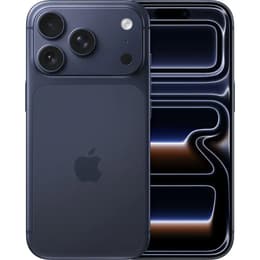
The Samsung Galaxy S23 Ultra (2023) and the iPhone 17 Pro (2025) represent advanced tiers of smartphone engineering from two major manufacturers. Operating on Android and iOS respectively, these flagship devices cater to users seeking high-end mobile technology, differing primarily in their software ecosystems, camera design philosophy, and physical dimensions.
Available Models
Colour
Storage
Scores
Durability
When examining longevity and support, both manufacturers provide long-term software updates, though their release schedules and structural materials differ.
- Software support timelines: Both devices receive multi-year operating system and security updates from their respective manufacturers, helping maintain digital safety and feature compatibility over an extended period.
- Build and repair framework: The Galaxy S23 Ultra features aluminum frames and reinforced glass construction, while the iPhone 17 Pro utilizes advanced titanium alloys and durable front glass protection, contributing similarly to expected everyday durability.
Year of Release
2023
2025
Compatible with latest Update
Yes
Yes
OS
Android
iOS
Foldable
No
No
Performance
Under everyday use conditions, both smartphones handle demanding tasks, multitasking, and resource-intensive applications efficiently through their respective internal architectures.
- Multitasking and app switching: Generous RAM allocations on both models allow multiple applications to remain open simultaneously without noticeable slowdowns or frequent reloading.
- Power management: Energy efficiency optimizations in both devices ensure that a typical day of mixed usage, including messaging, web browsing, and media streaming, can be achieved before requiring a recharge.
Screen quality
Display characteristics across both models deliver high visual clarity, though panel technologies and sizing options cater to different preferences.
- Panel technology and brightness: Both smartphones utilize advanced organic light-emitting diode displays that produce deep contrast levels and high peak brightness capabilities for clear visibility under direct sunlight.
- Refresh rate and viewing space: High refresh rate support ensures fluid scrolling and responsive touch interactions, while the Galaxy S23 Ultra offers a slightly broader canvas suited for note-taking and media viewing.
Resolution
1440 x 3088
2622x1206
Screen type
Dynamic AMOLED 2X
Super Retina XDR
Audiovisual
Imaging capabilities differ notably in sensor arrangement and software processing approaches between the two mobile platforms.
- Versatile lens configurations: The Galaxy S23 Ultra provides a multi-lens setup featuring high-resolution primary sensors and extended optical zoom options, whereas the iPhone 17 Pro focuses on integrated computational photography and consistent triple-lens performance.
- Video recording and audio capture: Both devices offer stable high-definition video capture modes alongside directional microphone systems that record clear audio during calls and multimedia creation.
Main camera
200 megapixels
48 megapixels
Front camera
12 megapixels
18 megapixels
Miscellaneous
Physical handling, connectivity standards, and daily utility features vary across these two distinct hardware builds.
- Connectivity and ports: Both models support current-generation cellular and wireless networking standards, utilizing a reversible charging port connector for power delivery and data transfer.
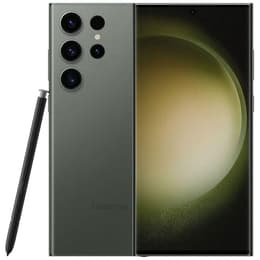
- Biometrics and design ergonomics: The Galaxy S23 Ultra incorporates an integrated stylus pen and curved edges, while the iPhone 17 Pro relies on facial recognition security within a more contoured frame design.
Weight
233 g
206 g
Screen size (in)
6.8
6.3
Mobile network
5G
5G
SIM card
Dual Physical SIM + eSIM
Physical SIM + eSIM
Carrier compatibility
Unlocked
Unlocked
Connector
USB-C
USB-C
What the community thinks
Users evaluating these two flagship smartphones often highlight distinct preferences based on ecosystem familiarity and hardware layout. Real-world feedback frequently praises the Galaxy S23 Ultra for its versatile zoom capabilities and integrated stylus utility, while the iPhone 17 Pro receives favorable mentions for its streamlined video creation tools and efficient processing integration. Frequent discussions in user communities center on the choice between Android customization flexibility and iOS software continuity.
Users prioritizing expanded optical zoom range and stylus functionality may prefer the Galaxy S23 Ultra, while users valuing streamlined video recording tools and the iOS environment may lean toward the iPhone 17 Pro. For those considering an eco-friendly, quality-assured alternative, choosing a refurbished device provides a sustainable path to acquiring either model without compromising on performance or reliability. Ultimately, the decision rests on personal preference regarding software interfaces, physical handling, and specific daily productivity needs.