Galaxy S21 Ultra 5G Vs iPhone 15

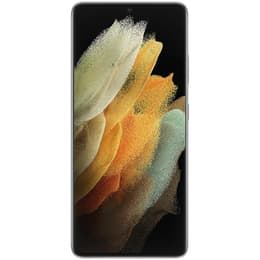
Galaxy S21 Ultra 5G
Galaxy S21 Ultra 5G
Starting at

Refurbished price:£187.00

Versus £1,800.00 new

See options
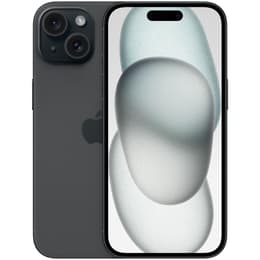
iPhone 15
iPhone 15
Starting at

Refurbished price:£326.00

Versus £699.00 new

See options

Ratings

The Samsung Galaxy S21 Ultra 5G, released in early 2021, and the Apple iPhone 15, launched in late 2023, represent two different eras of smartphone technology. While the S21 Ultra was designed as a high-end, feature-rich device for power users, the iPhone 15 serves as a modern, streamlined flagship for a broad audience. These devices operate on different ecosystems—Android and iOS respectively—offering distinct user experiences in terms of customisation and interface design. Choosing between them involves weighing the benefits of a large, versatile screen against a more compact, contemporary build.

Scores

Durability

The Galaxy S21 Ultra 5G and the iPhone 15 differ significantly in their expected software lifespans due to their respective release dates and manufacturer support policies.

  • Software Support Timeline: The iPhone 15, being a much newer release, is expected to receive operating system updates and security patches until approximately 2030. In contrast, the Galaxy S21 Ultra is approaching the later stages of its official software support cycle, though it remains a highly capable device for current applications and security needs.
  • Physical Resilience and Repair: Both smartphones feature robust builds with glass and metal components, though the iPhone 15 introduces a colour-infused back glass and a ceramic-hardened front. For those looking to extend the life of their technology, choosing a quality-assured refurbished option can provide a device that has been professionally inspected to ensure all components, including the battery and screen, meet functional standards.

Year of Release

2021

2023

Compatible with latest Update

Yes

Yes

OS

Android

iOS

Foldable

No

No

Performance

While both devices handle daily tasks with ease, their internal configurations cater to different usage patterns and multitasking needs in real-world scenarios.

  • System Responsiveness: The iPhone 15 utilises more recent internal hardware that provides a very fluid experience when launching demanding applications or processing high-resolution video. The Galaxy S21 Ultra, while older, was equipped with high-tier components for its time and continues to offer smooth performance for browsing, social media, and standard productivity tasks.
  • Memory and Multitasking: The Galaxy S21 Ultra features a higher amount of temporary memory, which allows it to keep more applications open in the background without needing to reload them. This makes it well-suited for users who frequently switch between many different programmes. The iPhone 15 relies on efficient software integration to maintain speed, even with a more modest memory capacity.

Memory (GB)

12 GB

6 GB

Screen quality

The viewing experience is one of the most noticeable differences between these two smartphones, affecting everything from reading text to watching high-definition videos.

  • Display Fluidity: The Galaxy S21 Ultra features a high refresh rate of 120Hz, meaning the screen updates twice as fast as the standard 60Hz display found on the iPhone 15. This results in noticeably smoother scrolling and more fluid animations during navigation and gaming.
  • Size and Clarity: With a 6.8-inch display, the Galaxy S21 Ultra offers a much larger canvas for media consumption and productivity compared to the 6.1-inch screen of the iPhone 15. The S21 Ultra also provides a higher pixel density, resulting in sharper details, while the iPhone 15 introduces a dynamic notification area at the top of the screen that changes shape to show alerts and activities.

Resolution

1440 x 3200

1179 x 2556

Screen type

Dynamic AMOLED 2X

Super Retina XDR OLED

Audiovisual

Photography and media playback are central to both devices, though they take different approaches to camera hardware and sound output for everyday users.

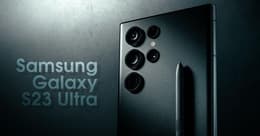
  • Zoom and Detail: The Galaxy S21 Ultra is equipped with a sophisticated quad-camera system that includes a dedicated 10x optical zoom lens, allowing users to capture clear photos of distant subjects. The iPhone 15 uses a dual-camera setup with a high-resolution main sensor that excels at capturing natural-looking skin tones and balanced exposures in everyday lighting.
  • Video and Audio Consistency: The iPhone 15 is frequently noted for its stable video recording and consistent colour across its lenses, making it a reliable choice for social media content. Both devices feature stereo speakers that provide clear audio, though the larger frame of the S21 Ultra allows for a slightly deeper sound profile during media playback.

Main camera

108 megapixels

48 megapixels

Front camera

40 megapixels

12 megapixels

Miscellaneous

Practical features such as connectivity, charging ports, and biometric security play a significant role in the daily user experience of these smartphones.

  • Connectivity and Ports: Both devices support 5G connectivity for fast mobile data and have transitioned to the universal USB-C port for charging and data transfer. This means users can often use the same cables for both phones, as well as for laptops and other modern electronics.
  • Security and Handling: The Galaxy S21 Ultra uses an ultrasonic fingerprint sensor hidden beneath the display for secure access, which works even if fingers are slightly damp. The iPhone 15 employs facial recognition technology, which many users find convenient for hands-free unlocking. In terms of handling, the iPhone 15 is considerably lighter and narrower, making it easier to use with one hand compared to the substantial weight and width of the S21 Ultra.

Weight

227 g

171 g

Screen size (in)

6.8

6.1

Mobile network

5G

5G

SIM card

Dual Physical SIM + eSIM

Physical SIM + eSIM

Carrier compatibility

Unlocked

Unlocked

Connector

USB-C

USB-C (USB 2)

User feedback from various technology forums suggests that the Galaxy S21 Ultra 5G remains a favourite for those who value a large, high-quality display and versatile camera features, particularly the long-range zoom. Some users have noted that its size can be cumbersome for smaller hands, but the overall build quality remains highly regarded. On the other hand, the iPhone 15 is praised for its comfortable, lightweight design and the convenience of its modern software ecosystem. Some long-term users have expressed a desire for a higher refresh rate on the iPhone 15, but most find the overall experience to be polished and reliable.

Users who prioritise a large screen for gaming or watching films, along with advanced photography features for distant subjects, may find the Galaxy S21 Ultra 5G better suited to their needs. Conversely, users who prefer a compact device that is easy to carry and will receive software updates for many years to come may lean toward the iPhone 15. Both smartphones are available as an eco-friendly alternative through professional refurbishment, allowing consumers to access high-quality technology while reducing electronic waste. Ultimately, the choice depends on whether one values the expansive features of an older flagship or the modern simplicity and longevity of a newer standard model.
See all articles

Our recent comparisons