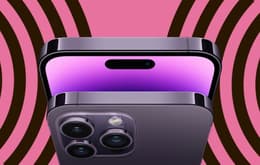

Galaxy S20 5G Vs iPhone 14 Pro Max

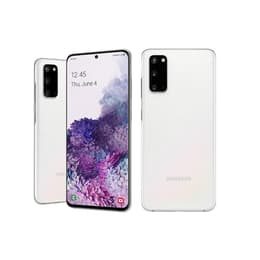
Galaxy S20 5G
Galaxy S20 5G
Starting at

Refurbished price:£133.00

Versus £899.00 new

See options
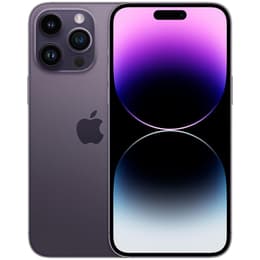
iPhone 14 Pro Max
iPhone 14 Pro Max
Starting at

Refurbished price:£325.00

Versus £1,199.00 new

See options

Ratings

The Samsung Galaxy S20 5G, released in February 2020, and the Apple iPhone 14 Pro Max, launched in September 2022, represent different generations of flagship smartphones from their respective manufacturers. While both devices offer premium mobile experiences, they diverge significantly in their operating systems and the technological advancements introduced over their two-and-a-half-year release gap. The Galaxy S20 5G operates on the Android platform, typically featuring Samsung's One UI, while the iPhone 14 Pro Max runs on Apple's iOS, providing distinct user interfaces and ecosystem experiences.

Scores

Durability

The practical lifespan of a smartphone is influenced by its release timeline, software support, and physical durability.

  • Release Timeline: The Samsung Galaxy S20 5G was released in February 2020, making it an older device compared to the iPhone 14 Pro Max, which launched in September 2022. This age difference directly impacts the remaining period of official software and security updates.
  • OS Support Duration: Apple typically provides iOS updates for its devices for approximately 5-6 years from their release date. Given its 2022 launch, the iPhone 14 Pro Max is expected to receive software support for a longer duration than the Galaxy S20 5G. Samsung generally offers several years of Android and security updates, but the S20 5G, being an earlier model, will have fewer updates remaining compared to the newer iPhone.
  • Repairability and Durability: Both devices feature premium build materials and are rated IP68 for dust and water resistance, indicating a high level of protection against environmental elements. The iPhone 14 Pro Max incorporates Ceramic Shield protection on its display, which is designed for enhanced drop performance.

Year of Release

2020

2022

Compatible with latest Update

No

Yes

OS

Android

iOS

Foldable

No

No

Performance

Evaluating performance involves looking at how each device handles daily tasks, multitasking, and demanding applications.

  • Storage Options: The Samsung Galaxy S20 5G typically comes with 128GB of internal storage and offers expandable storage via a microSD card slot, providing flexibility for users who need more space for media and applications. The iPhone 14 Pro Max is available with various internal storage configurations, including 128GB, 256GB, 512GB, and 1TB, but it does not support expandable storage.
  • Battery Behavior: The iPhone 14 Pro Max is recognized for its extended battery life, with users often reporting it lasting through a full day of heavy use and offering significant screen-on time. The Galaxy S20 5G features a 4000mAh battery, which provides a full day of use for many users, though its performance may vary with age and usage patterns.
  • System Responsiveness: The iPhone 14 Pro Max benefits from a more recent and powerful internal processing system, enabling it to handle demanding applications, complex graphics, and intensive multitasking with notable smoothness and efficiency. The Galaxy S20 5G, while still capable, provides a responsive experience for everyday tasks and most applications, powered by its octa-core processor and 12GB of RAM.

Memory (GB)

12 GB

6 GB

Screen quality

Both devices offer high-quality displays, but there are distinctions in their technology and features.

  • Display Technology and Clarity: The Samsung Galaxy S20 5G features a 6.2-inch Dynamic AMOLED 2X display with a resolution of 3200 x 1440 pixels, delivering deep blacks, vibrant colors, and sharp visuals. The iPhone 14 Pro Max boasts a 6.7-inch Super Retina XDR OLED display with a resolution of 2796 x 1290 pixels, also providing excellent color accuracy and contrast.
  • Brightness and Outdoor Visibility: The iPhone 14 Pro Max offers higher peak brightness levels, reaching up to 2000 nits for outdoor use, which significantly enhances readability in bright sunlight. The Galaxy S20 5G also performs well in bright conditions, with high peak brightness levels that ensure good outdoor visibility.
  • Refresh Rate and Smoothness: Both smartphones feature a 120Hz refresh rate, contributing to smoother scrolling, more fluid animations, and a more responsive feel during interactions and gaming. The iPhone 14 Pro Max's ProMotion technology allows its refresh rate to adapt dynamically, potentially saving battery life.

Resolution

1440 x 3200

1290 x 2796

Screen type

Dynamic AMOLED 2X

LTPO Super Retina XDR OLED

Audiovisual

The camera systems on both devices are designed to capture high-quality images and videos, though with different strengths.

  • Camera System Capabilities: The Samsung Galaxy S20 5G features a triple-lens rear camera system, including a 12MP wide-angle, a 12MP ultra-wide, and a 64MP telephoto lens, offering versatile shooting options and up to 30x 'Space Zoom'. The iPhone 14 Pro Max comes with a Pro camera system featuring a 48MP main sensor, a 12MP ultra-wide, and a 12MP telephoto lens, providing 3x optical zoom and a 2x telephoto option enabled by the quad-pixel sensor.
  • Photography Performance: The iPhone 14 Pro Max utilizes pixel binning on its main 48MP sensor to produce detailed 12MP photos with improved light capture, especially in challenging conditions, and offers advanced features like Photonic Engine and Night mode. The Galaxy S20 5G delivers strong performance in various lighting conditions, with its larger sensors and advanced zoom capabilities contributing to detailed shots.
  • Video Recording Quality: The Galaxy S20 5G is capable of recording 8K video at 24 frames per second, alongside 4K and slow-motion options. The iPhone 14 Pro Max supports 4K video recording at various frame rates, including Cinematic Mode up to 4K HDR and Action Mode for enhanced stabilization, and ProRes video recording for professional workflows.

Main camera

12 megapixels

48 megapixels

Front camera

10 megapixels

12 megapixels

Miscellaneous

Beyond core features, several practical elements differentiate these two smartphones.

  • Connectivity Options: Both devices support 5G connectivity, enabling faster mobile data speeds where available. They also include modern Wi-Fi standards (Wi-Fi 6 for iPhone 14 Pro Max, Wi-Fi 6/ax for S20 5G) and Bluetooth (Bluetooth 5.3 for iPhone 14 Pro Max, Bluetooth 5.0 for S20 5G) for robust wireless connections.
  • Port Types and Sensors: The Samsung Galaxy S20 5G features a USB-C port for charging and data transfer, and includes an in-display fingerprint sensor for biometric authentication. The iPhone 14 Pro Max uses a Lightning port and relies on Face ID for secure facial recognition. The iPhone 14 Pro Max also introduced features like Dynamic Island, which integrates alerts and activities into a fluid interface, and Emergency SOS via satellite for critical situations.
  • Weight and Dimensions: The iPhone 14 Pro Max is a larger and heavier device, weighing 240 grams with dimensions of 160.7 x 77.6 x 7.85mm. The Samsung Galaxy S20 5G is more compact and lighter at 163 grams and measures 151.7 x 69.1 x 7.9mm, potentially offering easier one-handed use for some users.

Weight

163 g

120 g

Screen size (in)

6.2

6.7

Mobile network

5G

5G

SIM card

Dual Physical SIM

Physical SIM + eSIM

Carrier compatibility

Unlocked

Unlocked

Connector

USB-C

Lightning

The Samsung Galaxy S20 5G and the iPhone 14 Pro Max cater to different user preferences, largely due to their distinct operating systems and the significant time difference in their release. User sentiment for the iPhone 14 Pro Max frequently highlights its exceptional battery life, robust camera capabilities, and the fluid user experience provided by iOS and the Dynamic Island feature. Some users appreciate the larger screen size, while others note its considerable weight and size as a factor to consider.

For the Galaxy S20 5G, common praise often centers on its vibrant AMOLED display with a high refresh rate, versatile camera system, and the flexibility offered by the Android operating system, including expandable storage. However, as an older device, some users might find its battery performance, while still capable, not matching the longevity of newer models, and its software support cycle is nearing its end compared to the iPhone 14 Pro Max.

Users prioritizing a device with the longest possible software support, a highly advanced camera system with cinematic video features, and industry-leading battery life may find the iPhone 14 Pro Max well-suited to their needs. Its larger form factor and Face ID authentication define part of its user experience. Conversely, individuals who prefer the Android ecosystem, value expandable storage, and appreciate a slightly more compact and lighter design might lean towards the Galaxy S20 5G. Both devices offer a premium experience, and choosing between them often comes down to ecosystem preference and the importance placed on the latest technological advancements versus established, reliable performance. For those considering either device, exploring quality-assured refurbished options can provide a sustainable choice.


See all articles

Our recent comparisons