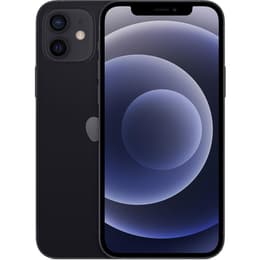
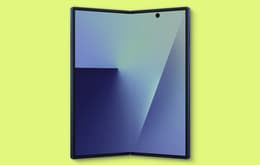
Galaxy Z Flip5 Vs iPhone 12

Galaxy Z Flip5
Galaxy Z Flip5
Starting at

Refurbished price:£266.76

Versus £1,145.61 new

See options
iPhone 12
iPhone 12
Starting at

Refurbished price:£139.00

Versus £649.00 new

See options

Ratings

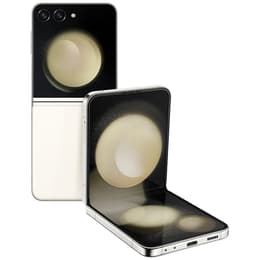
The Samsung Galaxy Z Flip5 (2023) and the Apple iPhone 12 (2020) represent two very different eras and philosophies in smartphone design. While the iPhone 12 follows the traditional, reliable slab format that many users are accustomed to, the Galaxy Z Flip5 introduces a modern foldable design that prioritises compactness and versatility. Running on Android and iOS respectively, these devices offer distinct software experiences tailored to different user preferences, with the Flip5 being the more recent release by three years.

Scores

Durability

The three-year gap between these two devices significantly impacts their expected lifespan and software support timelines.

  • Software Longevity: As a device released in 2023, the Galaxy Z Flip5 is positioned to receive operating system updates and security patches for several years into the future. The iPhone 12, having launched in 2020, has already moved through a significant portion of its supported lifecycle, meaning it may lose access to the latest software features sooner than its Samsung counterpart.
  • Physical Construction: The iPhone 12 features a classic glass and aluminium build that is well-understood for its long-term sturdiness. In contrast, the Galaxy Z Flip5 utilises a complex hinge mechanism and a flexible internal display. While modern engineering has made foldables much more resilient, the presence of moving parts introduces a different set of long-term wear considerations compared to a traditional static smartphone.
  • Repairability: Standard smartphones like the iPhone 12 generally benefit from more straightforward repair processes for common issues like screen replacements. The Galaxy Z Flip5, with its intricate folding screen and dual-battery system, requires more specialised handling during maintenance.

Year of Release

2023

2020

Compatible with latest Update

Yes

Yes

OS

Android

iOS

Foldable

Yes

No

Performance

In daily use, both smartphones remain highly capable, though the difference in their release dates becomes apparent during more demanding tasks.

  • System Responsiveness: The Galaxy Z Flip5 benefits from more modern internal hardware that handles intensive multitasking and high-end mobile gaming with greater fluidity. Users will notice that apps launch slightly faster and the system remains responsive even when multiple background processes are running. Choosing a sustainable choice like a refurbished model ensures these modern capabilities remain accessible for longer.
  • Battery Management: The iPhone 12 is known for its efficient software integration, which helps it last through a standard day of moderate use despite its smaller physical battery size. The Galaxy Z Flip5 features a larger total capacity split across two cells, which supports the power demands of its dual-screen setup and high-refresh-rate display.
  • Multitasking and Memory: With more modern memory standards, the Galaxy Z Flip5 is better equipped to keep numerous apps open in the background without needing to refresh them, which is particularly useful for professionals who switch between tools frequently.

Memory (GB)

8 GB

4 GB

Screen quality

The display experience is perhaps the most significant point of divergence between these two smartphones, affecting how users interact with their content.

  • Display Technology: The Galaxy Z Flip5 features a vibrant main OLED display with a high refresh rate, resulting in much smoother scrolling and animations compared to the standard 60Hz OLED screen on the iPhone 12. This makes the Samsung feel more fluid during everyday navigation and social media browsing.
  • The Cover Screen: A unique feature of the Flip5 is its external cover display, which allows users to check notifications, reply to messages, and control media without ever unfolding the device. The iPhone 12 relies on its single, high-quality 6.1-inch display for all interactions.
  • Viewing Experience: While the iPhone 12 provides a consistent and clear viewing experience for videos and photos, the Flip5 offers a taller aspect ratio when unfolded, which is excellent for reading long articles or viewing cinematic content, though a slight crease is visible where the screen folds.

Resolution

1080 x 2640

1170 x 2532

Screen type

Foldable Dynamic AMOLED 2X

Super Retina XDR OLED

Audiovisual

Both devices offer dual-camera systems that produce high-quality images, but they excel in different practical scenarios.

  • Versatility and Angles: The Galaxy Z Flip5 leverages its folding design to act as its own tripod, allowing for Flex Mode photography. This is particularly useful for group shots or hands-free video calls. The iPhone 12 offers a more traditional photography experience but is highly regarded for its consistent shutter speed and reliable autofocus.
  • Image Processing: Users often find that the iPhone 12 produces more natural, true-to-life colours, which is a preference for those who like to edit their photos later. The Galaxy Z Flip5 tends to produce more vibrant, punchy images that are ready for social media sharing immediately after capture.
  • Video and Audio: The iPhone 12 remains a strong performer for video recording, offering smooth stabilisation and clear audio capture. The Flip5 matches this with high-resolution video capabilities and clear microphones that perform well for both personal recordings and professional voice notes.

Main camera

12 megapixels

12 megapixels

Front camera

10 megapixels

12 megapixels

Miscellaneous

Beyond the core specs, the physical handling and connectivity of these devices define the user experience.

  • Connectivity and Ports: The Galaxy Z Flip5 uses the universal USB-C standard for charging and data transfer, making it compatible with a wide range of modern accessories. The iPhone 12 uses the Lightning port, which requires specific cables. Both devices support 5G connectivity, ensuring fast mobile data speeds in supported areas.
  • Biometrics and Security: Apple’s iPhone 12 relies on Face ID, which uses facial recognition to unlock the device securely. The Galaxy Z Flip5 uses a fingerprint sensor integrated into the power button, which some users find more convenient when the device is folded or when wearing a face covering.
  • Portability: The defining characteristic of the Flip5 is its ability to fold in half, making it exceptionally pocketable and easy to carry in small bags. The iPhone 12 is a slim and lightweight device, but it maintains a constant footprint that requires more vertical space in a pocket.

Weight

187 g

164 g

Screen size (in)

6.7 /3.4

6.1

Mobile network

5G

5G

SIM card

Physical SIM + eSIM

Physical SIM + eSIM

Carrier compatibility

Unlocked

Unlocked

When looking at user feedback from various tech communities and forums, the Galaxy Z Flip5 is frequently praised for its innovative design and the genuine utility of its large cover screen. However, some users express caution regarding the long-term durability of the folding screen. On the other hand, the iPhone 12 is often cited as a reliable workhorse device—simple to use and still very capable years after its launch, though some users now find its 60Hz screen and battery life to be showing their age.

Choosing between these two depends largely on your personal priorities. Users who value innovation, a compact form factor, and the latest display technology will likely find the Galaxy Z Flip5 to be a more exciting and capable companion. Conversely, users who prefer a straightforward, reliable experience with a proven track record of stability may lean toward the iPhone 12. For those looking to make an eco-friendly decision, opting for a quality-assured refurbished option for either device is an excellent way to reduce electronic waste while still receiving a high-performing smartphone. Both devices remain relevant in 2026, offering distinct paths toward a modern mobile experience.

See all articles

Our recent comparisons