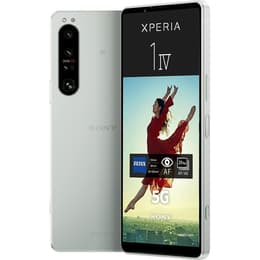
Galaxy S10 Vs Sony Xperia 1 IV

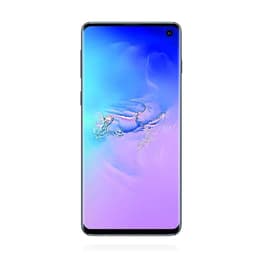
Galaxy S10
Galaxy S10
Starting at

Refurbished price:£108.00

Versus £639.00 new

See options
Sony Xperia 1 IV
Sony Xperia 1 IV
Starting at

Refurbished price:£347.00

Versus £1,500.00 new

See options

Ratings

The Samsung Galaxy S10, released in March 2019, and the Sony Xperia 1 IV, launched in June 2022, represent different generations and design philosophies within the smartphone market. While both devices offer premium experiences, the Xperia 1 IV introduces a more advanced camera system and a unique display tailored for media consumption, contrasting with the Galaxy S10's more traditional, compact design and earlier feature set.

Scores

Durability

The practical lifespan of a smartphone is significantly influenced by its release timeline and ongoing software support.

  • Software Longevity: The Galaxy S10, having been released in 2019, received its last major Android operating system update to Android 12 in early 2022, and its official security updates have concluded. In contrast, the Xperia 1 IV, launched in 2022 with Android 12, is expected to receive major OS updates for a few more years and ongoing security patches, offering a longer period of official software support.
  • Physical Durability: Both devices feature an IP68 rating for dust and water resistance, indicating protection against immersion in water. The Galaxy S10 utilizes Gorilla Glass 6 for screen protection, while the Xperia 1 IV features Gorilla Glass Victus, offering enhanced drop protection.
  • Expected Practical Lifespan: For users prioritizing the latest software features and security, the Xperia 1 IV offers a more current and future-proof experience. The Galaxy S10, while still functional, operates on an older software version and no longer receives official updates, which may impact its long-term usability and security.

Year of Release

2019

2022

Compatible with latest Update

No

No

OS

Android

Android

Foldable

No

No

Performance

Performance in smartphones is determined by the internal components, influencing how smoothly applications run and how efficiently the device handles demanding tasks.

  • Processing Power: The Xperia 1 IV, with its newer generation processor, delivers a more responsive experience, handling demanding applications, complex games, and intensive multitasking with greater ease and efficiency. The Galaxy S10, equipped with an older generation processor, capably manages everyday tasks and lighter applications, but may show limitations with the most resource-intensive software.
  • Multitasking Capability: The Xperia 1 IV typically comes with 12GB of RAM, providing ample capacity for running numerous applications simultaneously without significant slowdowns. The Galaxy S10 generally features 8GB of RAM, which is sufficient for typical multitasking but may be less fluid when switching between many heavy applications.
  • Storage Options: Both devices offer various internal storage configurations, with the Xperia 1 IV starting at 256GB and going up to 512GB, and the Galaxy S10 offering 128GB or 512GB options. Both also support expandable storage via microSD cards, allowing users to increase their storage capacity.
  • Battery Behavior: The Xperia 1 IV houses a larger 5000 mAh battery, which, combined with its processor, generally provides extended usage times for many users. The Galaxy S10 has a 3400 mAh battery, which typically requires more frequent charging for heavy users.

Memory (GB)

8 GB

12 GB

Screen quality

The display is a primary interface for smartphone interaction, with differences in technology and specifications impacting the visual experience.

  • Display Technology and Resolution: The Xperia 1 IV features a 6.5-inch OLED display with a 4K resolution (3840x1644 pixels), offering exceptional sharpness and detail, particularly noticeable when viewing high-resolution content. The Galaxy S10 has a 6.1-inch Dynamic AMOLED display with a Quad HD+ resolution (3040x1440 pixels), providing a clear and vibrant viewing experience.
  • Refresh Rate and Smoothness: The Xperia 1 IV boasts a 120Hz refresh rate, resulting in smoother scrolling and more fluid animations, enhancing the overall user interface experience. The Galaxy S10 features a standard 60Hz refresh rate, which provides a consistent visual experience for most content.
  • Brightness and Viewing Experience: The Xperia 1 IV's display offers improved brightness, making it more comfortable to view content in bright outdoor conditions. Both devices utilize OLED/AMOLED technology, delivering deep blacks and vibrant colors, but the Xperia 1 IV's 21:9 aspect ratio provides a more cinematic viewing experience for compatible content.

Resolution

1440 x 3040

1644 x 3840

Screen type

Dynamic AMOLED

OLED

Audiovisual

Both smartphones offer versatile camera systems, but they approach mobile photography with distinct philosophies and capabilities.

  • Rear Camera Systems: The Galaxy S10 features a triple-camera setup with a 12MP wide-angle lens, a 12MP telephoto lens with 2x optical zoom, and a 16MP ultrawide lens. The Xperia 1 IV also has a triple 12MP rear camera system, but its standout feature is a continuous optical zoom telephoto lens that can seamlessly adjust between 85mm and 125mm focal lengths, offering unique flexibility for distant subjects.
  • Photography Features: The Xperia 1 IV emphasizes manual controls and features like Real-time Eye AF and object tracking, appealing to users who prefer a more hands-on photography experience. It also incorporates Zeiss optics for enhanced image quality. The Galaxy S10 provides a more automated point-and-shoot experience with features like scene optimizer.
  • Video Recording: The Xperia 1 IV supports 4K video recording at up to 120 frames per second across all its rear lenses, catering to advanced videography needs. The Galaxy S10 is capable of 4K video recording at 60 frames per second.
  • Front Camera: The Xperia 1 IV includes a 12MP front-facing camera capable of 4K video recording. The Galaxy S10 features a 10MP front camera.

Main camera

12 megapixels

12 megapixels

Front camera

10 megapixels

12 megapixels

Miscellaneous

Beyond core features, several practical elements contribute to the overall user experience and device utility.

  • Connectivity: The Xperia 1 IV supports 5G connectivity, Wi-Fi 6e, and Bluetooth 5.2, offering faster network speeds and more efficient wireless connections. The Galaxy S10 supports 4G LTE, Wi-Fi 6, and Bluetooth 5.0.
  • Ports and Biometrics: Both devices retain a 3.5mm headphone jack, a feature less common in newer smartphones. They both utilize USB-C for charging and data transfer. For security, the Galaxy S10 features an ultrasonic in-display fingerprint sensor, while the Xperia 1 IV uses a side-mounted fingerprint sensor.
  • Design and Handling: The Galaxy S10 is generally more compact and lighter, with dimensions of 149.9 x 70.4 x 7.8 mm and a weight of 157g, making it easier for one-handed use. The Xperia 1 IV is taller and slightly heavier at 165 x 71 x 8.2 mm and 185g, partly due to its 21:9 aspect ratio display.
  • Build Materials: Both phones feature a premium construction with glass on the front and back, framed by aluminum.

Weight

175 g

185 g

Screen size (in)

6.1

6,5

Mobile network

4G

5G

SIM card

Physical SIM

Physical SIM + eSIM

Carrier compatibility

Unlocked

Unlocked

Connector

USB-C + Jack 3.5mm

USB-C + Jack 3.5mm

The Samsung Galaxy S10 and Sony Xperia 1 IV cater to different user priorities, largely due to their generational gap and distinct design philosophies. Users often praise the Galaxy S10 for its compact form factor, vibrant display, and the convenience of its headphone jack and expandable storage. Some common criticisms, particularly in the current landscape, revolve around its aging software support and battery life compared to newer devices.

The Sony Xperia 1 IV is frequently lauded by users for its unique 4K OLED display, which offers an immersive viewing experience, and its advanced camera system, especially the continuous optical zoom lens and extensive manual controls that appeal to photography and videography enthusiasts. However, some users note its tall and narrow design can affect one-handed usability, and its battery life, while improved over predecessors, can still be challenged by the high-resolution, high-refresh-rate display.

Users prioritizing a more compact device for everyday tasks, with a traditional design and a still-capable camera for general use, may find the Galaxy S10 well-suited to their needs. Those who value cutting-edge display technology for media consumption, a highly versatile and manually controllable camera system, and longer software support will likely lean towards the Xperia 1 IV. Both devices offer robust build quality and the practical inclusion of a headphone jack and expandable storage. Opting for a quality-assured refurbished version of either model can be an eco-friendly alternative, providing access to these features while contributing to a more sustainable choice.

See all articles

Our recent comparisons