
Galaxy A55 Vs iPhone 15

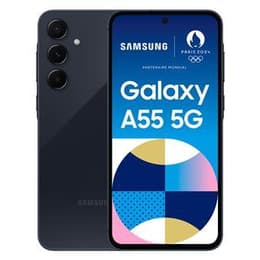
Galaxy A55
Galaxy A55
Starting at

Refurbished price:£193.21

Versus £479.00 new

See options
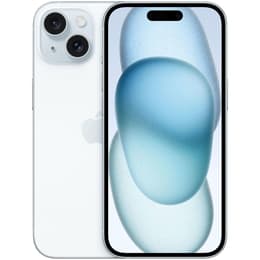
iPhone 15
iPhone 15
Starting at

Refurbished price:£326.00

Versus £699.00 new

See options

Ratings

The Samsung Galaxy A55, released in March 2024, and the Apple iPhone 15, launched in September 2023, represent two distinct approaches to the modern smartphone experience. While the Galaxy A55 serves as a robust mid-range contender with a focus on screen size and battery endurance, the iPhone 15 remains a flagship device prioritising a compact form factor and high-end integration. Operating on Android and iOS respectively, these devices offer different ecosystems that cater to varying user habits and software preferences.

The primary differences between these two models lie in their physical dimensions and display technology. The Galaxy A55 offers a larger, more fluid screen experience, whereas the iPhone 15 focuses on a lightweight design and a more powerful internal architecture. Both devices are designed to provide a reliable daily experience, but they target different priorities regarding media consumption and portability.

Scores

Durability

When evaluating how long these devices will remain functional and relevant, both manufacturers offer clear roadmaps for software support and physical durability. The iPhone 15 generally holds a slight advantage in long-term software availability, while the Galaxy A55 provides a consistent update schedule for its category.

  • Software Longevity: The iPhone 15 is expected to receive iOS updates for approximately six to seven years from its release date, ensuring access to new features and security patches well into the late 2020s. The Galaxy A55 is supported by a commitment of four years of major Android OS updates and five years of security maintenance, providing a reliable lifespan for users who plan to keep their device for several years.
  • Build and Repairability: Both phones feature robust construction, with the iPhone 15 using a ceramic-infused glass and the Galaxy A55 utilising high-strength glass on both sides. In terms of repairability, both brands have made strides in making components like batteries and screens more accessible to professional technicians, though the iPhone's internal layout remains more complex for DIY repairs.
  • Hardware Resilience: The iPhone 15 features a high water and dust resistance rating (IP68), allowing it to withstand submersion in shallow water. The Galaxy A55 matches this with its own IP67 rating, making both devices well-suited for environments where accidental splashes or dust exposure might occur.

Year of Release

2024

2023

Compatible with latest Update

Yes

Yes

OS

Android

iOS

Foldable

No

No

Performance

Performance on these devices is tailored to different usage patterns, with one focusing on raw efficiency and the other on balanced daily tasks and longevity. The internal hardware ensures that both can handle modern applications without significant slowdowns.

  • System Responsiveness: The iPhone 15 utilizes a highly efficient internal processor that handles demanding tasks like high-definition video editing and intensive gaming with ease. The Galaxy A55 is equipped with a capable processor that manages everyday multitasking, social media, and web browsing smoothly, though it may show more effort when running the most demanding mobile games at maximum settings.
  • Battery Endurance: The Galaxy A55 houses a larger physical battery capacity, which typically allows it to last through a full day of heavy use and often into a second day for moderate users. The iPhone 15, while having a smaller physical battery, benefits from deep software optimization that ensures it reliably lasts a full workday, though heavy users may find themselves reaching for a charger by evening.
  • Multitasking and Storage: Both devices offer multiple storage configurations to suit different needs, ranging from standard capacities for casual users to larger options for those who store many photos and videos. The Galaxy A55 often includes more RAM to assist with keeping multiple apps open in the background, while the iPhone 15 relies on efficient memory management to achieve similar results.

Memory (GB)

8 GB

6 GB

Screen quality

The display is where these two devices diverge most significantly, offering users a choice between size and fluidity versus brightness and colour accuracy. Both screens use advanced panel technology to provide deep blacks and high contrast ratios.

  • Display Fluidity: The Galaxy A55 features a high refresh rate of 120Hz, which makes scrolling through lists and navigating the interface appear very smooth. The iPhone 15 maintains a standard 60Hz refresh rate, which is consistent and reliable but lacks the ultra-smooth visual motion found on the Samsung model.
  • Size and Immersion: With a 6.6-inch display, the Galaxy A55 provides a more expansive canvas for watching videos and playing games, making it a strong choice for media enthusiasts. The iPhone 15 features a more compact 6.1-inch screen, which is easier to navigate with one hand while still providing a sharp and clear viewing experience.
  • Outdoor Visibility: The iPhone 15 is designed with a very high peak brightness, making the screen easily readable even under direct sunlight. The Galaxy A55 also performs well outdoors with its vibrant AMOLED technology, though it does not reach the same peak brightness levels as the iPhone in extreme lighting conditions.

Resolution

1080 x 2340

1179 x 2556

Screen type

Super AMOLED

Super Retina XDR OLED

Audiovisual

Photography and video capabilities are central to both devices, with each offering a different set of tools for capturing daily moments. The iPhone 15 focuses on natural processing and video stability, while the Galaxy A55 provides a versatile multi-lens setup.

  • Main Sensor Performance: The iPhone 15 features a high-resolution main sensor that captures a significant amount of detail and produces images with natural skin tones and balanced exposure. The Galaxy A55 also uses a high-resolution main camera that delivers vibrant, punchy colours that are often ready for social media sharing without additional editing.
  • Video and Audio: For users who record a lot of video, the iPhone 15 is widely regarded for its smooth stabilization and high dynamic range, making it a preferred tool for mobile creators. The Galaxy A55 provides stable 4K video recording and includes a dedicated macro lens for close-up photography, a feature not present on the standard iPhone 15.
  • Low-Light Photography: Both devices include dedicated night modes that help brighten dark scenes. The iPhone 15 tends to preserve more fine detail in shadows, while the Galaxy A55 uses software processing to reduce noise and create a bright, clear image in challenging lighting environments.

Main camera

50 megapixels

48 megapixels

Front camera

32 megapixels

12 megapixels

Miscellaneous

Beyond the core specifications, several practical features influence the daily handling and utility of these smartphones. Connectivity and biometric security are handled differently by each manufacturer to suit their specific design philosophies.

  • Biometrics and Security: The iPhone 15 uses a sophisticated facial recognition system located in the "Dynamic Island" at the top of the screen, providing quick and secure access. The Galaxy A55 utilizes an optical fingerprint sensor built directly into the display, offering a familiar and reliable way to unlock the device.
  • Physical Handling: The iPhone 15 is notably lighter and thinner, making it comfortable for long periods of one-handed use or for carrying in smaller pockets. The Galaxy A55 is larger and heavier, which gives it a substantial feel and provides more surface area for those who prefer a larger device for typing and navigation.
  • Connectivity and Ports: Both devices have transitioned to the universal USB-C port standard, allowing for easier charging with common cables. They both support 5G connectivity for fast mobile data and include modern Wi-Fi and Bluetooth standards for stable connections to accessories and home networks.

Weight

213 g

171 g

Screen size (in)

6.6

6.1

Mobile network

5G

5G

SIM card

Dual Physical SIM

Physical SIM + eSIM

Carrier compatibility

Unlocked

Unlocked

Connector

USB-C

USB-C (USB 2)

Choosing between the Galaxy A55 and the iPhone 15 depends largely on a user's specific priorities regarding screen size, ecosystem, and long-term support. Based on user feedback from various tech communities, the Galaxy A55 is frequently praised for its smooth 120Hz display and its impressive battery life, which many find superior for long days of travel or media consumption. However, some users note that its larger size can be cumbersome for those with smaller hands. Conversely, the iPhone 15 receives high marks for its compact, lightweight design and its exceptional video recording quality, though some users express a desire for the smoother refresh rates found on its competitors.

Users who prioritise a large, fluid screen for gaming and watching movies, along with a battery that can comfortably last beyond a single day, will find the Galaxy A55 to be a well-aligned choice. Those who prefer a more compact device that is easy to use with one hand, offers a highly integrated software experience, and will receive updates for many years may lean toward the iPhone 15. For those looking to make a more sustainable choice, selecting a quality-assured refurbished option for either of these models is an excellent way to obtain a high-performing device while reducing environmental impact. Ultimately, both smartphones are capable tools that serve their respective audiences with reliability and modern features, making either a sound eco-friendly alternative to buying brand new.


See all articles

Our recent comparisons