
Galaxy A26 Vs Sony Xperia 1 IV

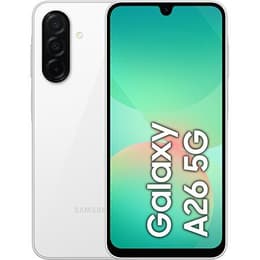
Galaxy A26
Galaxy A26
Starting at

Refurbished price:£152.00

Versus £419.55 new

See options
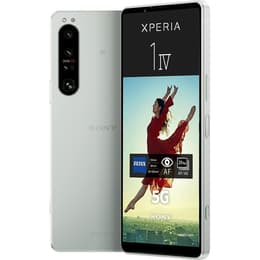
Sony Xperia 1 IV
Sony Xperia 1 IV
Starting at

Refurbished price:£346.00

Versus £1,500.00 new

See options

Ratings

The Samsung Galaxy A26, released in March 2025, and the Sony Xperia 1 IV, launched in May 2022, represent different approaches to smartphone design and functionality. While the Galaxy A26 focuses on delivering a balanced experience with extended software support, the Xperia 1 IV, a former flagship, prioritizes advanced multimedia capabilities, particularly in its display and camera system. Both devices run on the Android operating system, offering a familiar user experience, but cater to distinct user needs through their core specifications and features.

Scores

Durability

When considering the longevity of these devices, their release timelines and software support policies are key factors.

  • Release Timeline: The Samsung Galaxy A26 is a significantly newer device, having been released in March 2025. The Sony Xperia 1 IV, on the other hand, was launched in May 2022, making it an older model in the smartphone market.
  • OS Support Duration: Samsung has committed to providing six major Android OS upgrades for the Galaxy A26, extending its software support until approximately 2031. The Xperia 1 IV, having launched with Android 12, is upgradable to Android 14, but its major OS update cycle is nearing its end due to its earlier release.
  • Physical Durability: Both phones offer robust build quality. The Galaxy A26 features Gorilla Glass Victus+ on both its front and back, coupled with a plastic frame, and boasts an IP67 rating for dust and water resistance. The Xperia 1 IV also uses Gorilla Glass Victus for its front and back and carries an IP65/68 rating, indicating strong protection against environmental elements.

Year of Release

2024

2022

Compatible with latest Update

Yes

No

OS

Android

Android

Foldable

No

No

Performance

The performance of a smartphone is crucial for daily tasks, app usage, and multitasking. These two devices offer different levels of responsiveness and capability.

  • Everyday Responsiveness: The Galaxy A26, powered by a current-generation mid-range processor, handles typical daily applications and general navigation smoothly. The Xperia 1 IV, equipped with a flagship-tier processor from its release year, provides a highly responsive experience for demanding applications and multitasking, though some users reported occasional sluggishness or overheating, particularly during intensive tasks like gaming or prolonged camera use.
  • Multitasking and Storage: The Galaxy A26 is available with 6GB or 8GB of RAM, which is sufficient for managing multiple applications simultaneously. It offers 128GB or 256GB of internal storage, expandable via a shared microSDXC slot. The Xperia 1 IV comes with a more generous 12GB of RAM, allowing for seamless transitions between numerous open applications, and offers 256GB or 512GB of internal storage, with a dedicated microSD card slot for further expansion.
  • Battery Behavior: Both devices house a 5000 mAh battery. The Galaxy A26 supports 25W wired charging, but user feedback suggests its battery life is average for its capacity. The Xperia 1 IV supports 30W wired charging, as well as wireless and reverse wireless charging. While some users found its battery life to be long-lasting, others noted it could be underwhelming, especially when utilizing its high-resolution, high-refresh-rate display and advanced camera features.

Memory (GB)

8 GB

12 GB

Screen quality

The display is a primary interface for smartphone interaction, and these two models offer distinct visual experiences.

  • Display Technology and Resolution: The Samsung Galaxy A26 features a 6.7-inch Super AMOLED display with a Full HD+ resolution (1080 x 2340 pixels), providing clear and vibrant visuals for everyday content consumption. The Sony Xperia 1 IV boasts a 6.5-inch 4K HDR OLED display with a significantly higher resolution (3840 x 1644 pixels) and a unique 21:9 aspect ratio, designed for an immersive cinematic viewing experience.
  • Brightness and Clarity: The Galaxy A26's AMOLED panel offers deep blacks and good contrast, with brightness levels suitable for indoor and outdoor use, though some reviews indicate it might not be the brightest in direct sunlight. The Xperia 1 IV's 4K OLED screen delivers exceptional clarity and color accuracy, with HDR support enhancing media playback. However, some users have reported issues with display quality at lower brightness settings, sometimes referred to as 'black crush'.
  • Refresh Rate and Smoothness: Both devices feature a 120Hz refresh rate, contributing to smoother scrolling and more fluid animations. The Xperia 1 IV also includes a 240Hz touch sampling rate for enhanced responsiveness.

Resolution

1080 x 2340

1644 x 3840

Audiovisual

For many users, the camera system is a critical component, and these phones approach photography and videography with different philosophies.

  • Rear Camera Systems: The Samsung Galaxy A26 is equipped with a triple rear camera setup, including a 50-megapixel main sensor with optical image stabilization (OIS), an 8-megapixel ultrawide lens, and a 2-megapixel macro lens. The Sony Xperia 1 IV features a versatile triple 12-megapixel camera system, comprising a main sensor with OIS, an ultrawide lens, and a unique telephoto lens with continuous optical zoom capabilities (85mm to 125mm equivalent focal lengths). It also includes a 0.3-megapixel Time-of-Flight (ToF) sensor for depth sensing.
  • Photography Performance: The Galaxy A26's main camera performs well in daylight, producing detailed photos with pleasing colors, and its selfie camera is generally well-regarded. However, the ultrawide camera can produce softer images, and the macro lens is often considered less useful. The Xperia 1 IV's cameras are praised for their versatility and extensive manual controls, appealing to photography enthusiasts. While capable of excellent results, achieving optimal photos often requires more effort and understanding of its advanced settings compared to more automated systems. Some users have noted that its camera performance can be subpar in less-than-ideal lighting conditions without careful adjustment.
  • Video Recording and Audio: The Galaxy A26 can record video up to 4K at 30 frames per second with its main camera, though video stabilization may not be its strongest suit. The Xperia 1 IV excels in video, offering 4K HDR recording at up to 120 frames per second across all its rear cameras, providing significant creative potential for slow-motion and high-quality footage. For audio, the Galaxy A26 features a single bottom-firing speaker and lacks a headphone jack. The Xperia 1 IV includes front-firing stereo speakers, which deliver a more immersive audio experience, and retains a 3.5mm headphone jack.

Front camera

13 megapixels

12 megapixels

Miscellaneous

Beyond core specifications, several practical elements contribute to the overall user experience and device utility.

  • Connectivity and Ports: Both smartphones support 5G connectivity for fast mobile data. The Galaxy A26 includes Wi-Fi 802.11 a/b/g/n/ac and Bluetooth 5.3, with a USB Type-C 2.0 port. The Xperia 1 IV offers Wi-Fi 6E and Bluetooth 5.2, along with a USB Type-C port. A notable difference is the inclusion of a 3.5mm headphone jack on the Xperia 1 IV, which is absent on the Galaxy A26.
  • Biometric Security: Both devices feature a side-mounted fingerprint sensor for secure unlocking. User reports for the Xperia 1 IV indicate that its fingerprint sensor can sometimes be inconsistent or prone to issues.
  • Physical Design and Handling: The Galaxy A26 measures 164 x 77.5 x 7.7 mm and weighs 200 grams, offering a comfortable grip despite its larger screen size. The Xperia 1 IV is slightly taller and narrower at 165 x 71 x 8.2 mm and weighs 185 grams, with its 21:9 aspect ratio contributing to a distinct in-hand feel. The Xperia 1 IV also features a dedicated physical shutter button, enhancing its camera-centric design.

Weight

197 g

185 g

Screen size (in)

6.5

6,5

Mobile network

5G

5G

SIM card

Dual Physical SIM

Physical SIM + eSIM

Carrier compatibility

Unlocked

Unlocked

Connector

USB-C

USB-C + Jack 3.5mm

The Samsung Galaxy A26 and Sony Xperia 1 IV cater to different user priorities, reflecting their respective market positions and release strategies. The Galaxy A26, as a newer mid-range device, is often praised for its clean and durable design, its vibrant AMOLED display, and a significant commitment to long-term software updates, making it a suitable choice for users who prioritize software longevity and a reliable everyday experience. However, some users have noted its battery life can be underwhelming and its camera system, while capable, is not as versatile as higher-end options.

The Sony Xperia 1 IV, a former flagship, garners appreciation for its unique 4K OLED display, advanced and versatile camera system with continuous optical zoom, and the inclusion of a 3.5mm headphone jack and stereo speakers, appealing strongly to multimedia creators and enthusiasts. Criticisms often revolve around its tendency to overheat during intensive use, particularly with the camera, and some inconsistencies reported with its fingerprint sensor and display at low brightness. Its battery life also received mixed reviews, with some finding it adequate and others expecting more from its capacity given the demanding display.

Users prioritizing extended software support, a modern design, and a dependable experience for general use may find the Galaxy A26 well-suited to their needs. Conversely, individuals who value a high-resolution cinematic display, advanced manual camera controls, and superior audio features, and are willing to engage with a more specialized device, might lean towards the Xperia 1 IV. Both models are available as quality-assured refurbished options, providing an eco-friendly alternative for consumers.
See all articles

Our recent comparisons