Galaxy A26 Vs Galaxy S25

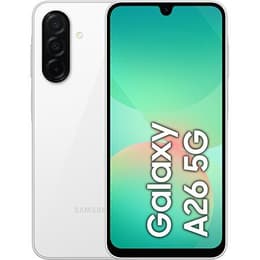
Galaxy A26
Galaxy A26
Starting at

Refurbished price:£152.00

Versus £419.55 new

See options
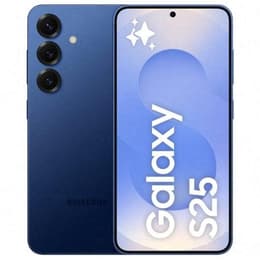
Galaxy S25
Galaxy S25
Starting at

Refurbished price:£435.00

Versus £766.13 new

See options

Ratings

The Samsung Galaxy A26 and the Samsung Galaxy S25 represent different segments within Samsung's smartphone lineup, released in March 2025 and February 2025, respectively. While both operate on the Android platform with Samsung's One UI, the Galaxy S25 is positioned as a flagship device offering advanced features and performance, whereas the Galaxy A26 is a mid-range option focusing on essential capabilities and extended software support. The primary distinctions lie in their processing power, camera systems, and overall build quality, catering to different user priorities.

Scores

Durability

When considering the long-term usability of these devices, both the Galaxy A26 and Galaxy S25 offer substantial software support, a key factor in their practical lifespan.

  • Software Longevity: The Galaxy S25 is designed for extended use, promising seven years of operating system and security updates from its release. The Galaxy A26 also offers impressive longevity for its category, with six years of OS and security updates. This means both devices are built to remain current and secure for a considerable period. [1, 7, 10, 16, 20, 29, 42]
  • Physical Durability: The Galaxy S25 features an IP68 rating for water and dust resistance, along with Gorilla Glass Victus 2 on the display and an Armor Aluminium frame, providing robust protection against daily wear and tear. The Galaxy A26 comes with an IP67 rating for water and dust resistance and Gorilla Glass Victus+ on the front and back, encased in a plastic frame, offering a good level of protection for its segment. [1, 2, 7, 8, 10, 12, 15, 16, 20, 28, 38]
  • Repairability Considerations: While specific repairability scores can vary, flagship devices like the Galaxy S25 often feature more complex internal designs, potentially making repairs more intricate. Mid-range phones like the Galaxy A26 may sometimes offer a slightly more straightforward repair process due to less integrated components, though both require professional servicing for significant damage.

Year of Release

2024

2025

OS

Android

Android

Foldable

No

No

Performance

The performance capabilities of the Galaxy A26 and Galaxy S25 cater to different user demands, primarily driven by their internal components.

  • Processing Power: The Galaxy S25 is equipped with a current-generation flagship processor, enabling it to handle demanding applications, intensive multitasking, and graphically rich games with smooth responsiveness. Users will experience quick app loading and seamless transitions. [5, 8, 10, 22, 30, 35] The Galaxy A26 utilizes a capable mid-range processor, which provides sufficient power for everyday tasks such as browsing, social media, and light gaming. While it performs well for general use, some users might notice occasional slowdowns with very heavy multitasking or highly demanding applications. [2, 12, 15, 16, 17, 28, 38, 39]
  • Multitasking and Storage: The Galaxy S25 typically comes with a generous amount of RAM, contributing to its ability to keep many applications open simultaneously without performance degradation. It offers ample internal storage options, though it lacks expandable storage. [5, 8, 10, 30] The Galaxy A26 offers various RAM and storage configurations, and importantly, includes a microSD card slot for expandable storage, which can be beneficial for users who need more space for media and files. [12, 15, 16, 17, 28]
  • Battery Behavior: The Galaxy S25 features a 4000 mAh battery. Despite its smaller capacity compared to the A26, its efficient processor often allows for a full day of moderate use. [5, 8, 10, 19, 25, 32, 35] The Galaxy A26 houses a larger 5000 mAh battery, generally providing extended usage times for typical daily activities. However, some user reports indicate that its battery life, while good, might not always exceed expectations under intensive use, and some instances of overheating have been noted. [4, 12, 15, 16, 18, 20, 31, 34, 37, 38, 39]

Memory (GB)

8 GB

12 GB

Screen quality

Both devices offer vibrant displays, but the Galaxy S25 provides a more refined visual experience compared to the Galaxy A26.

  • Display Technology and Clarity: The Galaxy S25 features a 6.2-inch Dynamic LTPO AMOLED 2X display, offering rich colors, deep blacks, and excellent contrast. Its higher pixel density results in sharper text and images. [1, 3, 8, 10, 30] The Galaxy A26 comes with a 6.7-inch Super AMOLED display, which also delivers vivid visuals and good contrast, making it suitable for media consumption. Its slightly lower pixel density means content is clear but not as razor-sharp as on the S25. [2, 7, 12, 14, 15, 16, 17, 20]
  • Brightness and Refresh Rate: The Galaxy S25 boasts a high peak brightness of up to 2600 nits, ensuring excellent visibility even in bright outdoor conditions. It also features an adaptive 120Hz refresh rate, which can dynamically adjust from 1Hz to 120Hz for smooth scrolling and power efficiency. [1, 10, 30] The Galaxy A26 also offers a 120Hz refresh rate for smooth interactions, and its peak brightness is generally sufficient for indoor use, though it may be less visible under direct sunlight compared to the S25. [2, 7, 12, 14, 15, 16, 20]
  • Viewing Experience: The Galaxy S25's smaller form factor and high-resolution display make it ideal for users who prefer a more compact device without compromising on visual quality. The Galaxy A26's larger 6.7-inch screen provides a more expansive viewing area, which can be advantageous for watching videos or browsing, appealing to users who prioritize screen real estate. [1, 7, 8, 15, 17]

Resolution

1080 x 2340

1080x2340

Audiovisual

The camera systems on the Galaxy A26 and Galaxy S25 are designed for different levels of photographic versatility and image quality.

  • Rear Camera Capabilities: The Galaxy S25 features a versatile triple-camera setup, including a 50MP main sensor, a 12MP ultrawide lens, and a 10MP telephoto lens with 3x optical zoom. This configuration allows for detailed shots across various focal lengths, from wide landscapes to zoomed-in subjects. It also supports 8K video recording at 30 frames per second. [1, 3, 6, 8, 10] The Galaxy A26 also has a triple-camera system, comprising a 50MP main sensor with optical image stabilization (OIS), an 8MP ultrawide lens, and a 2MP macro lens. This setup is well-suited for everyday photography and close-up shots, with 4K video recording at 30 frames per second. [4, 12, 15, 16, 23, 27, 29, 39]
  • Low-Light and AI Enhancements: The Galaxy S25 benefits from advanced AI processing and a powerful chipset, which contribute to improved low-light performance, better detail retention, and sophisticated features like Generative Edit for photo manipulation. [6, 8, 10] The Galaxy A26 also includes AI-driven enhancements for its camera, such as Object Eraser and improved low-light performance, making it capable of capturing good images in various conditions for its class. [23, 29]
  • Front Camera and Audio: Both devices feature capable front-facing cameras for selfies and video calls. The Galaxy S25 has a 12MP front camera, while the Galaxy A26 has a 13MP front camera. [1, 6, 8, 10, 15, 16, 27, 29, 39] For audio, the Galaxy S25 typically offers stereo speakers for a more immersive media consumption experience. The Galaxy A26 generally features a single bottom-firing speaker, which provides clear audio but lacks the depth of a stereo setup. [16, 19, 28]

Miscellaneous

Beyond core specifications, several practical elements differentiate the user experience between the Galaxy A26 and Galaxy S25.

  • Connectivity and Ports: Both devices support 5G connectivity, ensuring fast mobile data speeds. The Galaxy S25 includes modern Wi-Fi standards and Bluetooth 5.4, offering efficient wireless connections. It features a USB-C port for charging and data transfer. [8, 10] The Galaxy A26 also supports 5G and comes with Wi-Fi and Bluetooth 5.3, along with a USB-C 2.0 port. [12, 15] Neither device includes a traditional 3.5mm headphone jack. [18, 34]
  • Biometric Security: The Galaxy S25 incorporates an ultrasonic in-display fingerprint sensor, offering a seamless and integrated unlocking experience. [1, 10] The Galaxy A26 features a side-mounted fingerprint sensor, which is often praised for its speed and reliability. [12, 16, 17] Both devices also support face recognition for convenient unlocking.
  • Design and Handling: The Galaxy S25 presents a more compact and lighter design, with dimensions of 146.9mm x 70.5mm x 7.2mm and a weight of 162g, making it comfortable for one-handed use and pocketability. Its build includes an Armor Aluminium frame. [8, 10] The Galaxy A26 is a larger device at 164 x 77.5 x 7.7 mm and weighs 200g, offering a more substantial feel in hand and a larger screen for viewing. It features a plastic frame with Gorilla Glass Victus+ on the front and back. [12, 15, 17, 28]

Weight

197 g

162 g

Screen size (in)

6.5

6.2

Mobile network

5G

5G

SIM card

Dual Physical SIM

Physical SIM + eSIM

Carrier compatibility

Unlocked

Unlocked

The Samsung Galaxy A26 and Galaxy S25 cater to distinct user needs, with each device receiving specific praise and facing certain criticisms from users.

Users frequently commend the Galaxy S25 for its powerful performance, making it suitable for demanding applications and gaming. Its compact and lightweight design is often highlighted as a significant advantage for those preferring a smaller form factor. The vibrant and bright display, along with its advanced camera system, also receives positive feedback for delivering high-quality visuals and versatile photography. However, some users have noted that while the battery life is good for its size, it might not be exceptional for heavy users, and the absence of a charger in the box is a common point of contention. [19, 21, 25, 32, 35]

The Galaxy A26 is often praised for its large, vivid Super AMOLED display and its impressive commitment to software updates, offering six years of support. Its substantial battery capacity is generally appreciated for providing all-day power for moderate use. Users also find its main camera capable for everyday photos. Conversely, some criticisms include its performance not being ideal for intensive gaming or heavy multitasking, and some reports of overheating have surfaced. The single speaker setup is also a point where some users desire improvement. [18, 20, 31, 34, 37, 38, 42, 43]

For users prioritizing a compact, high-performance device with a premium camera system and the latest flagship features, the Galaxy S25 will be well-suited. Its extended software support and robust build quality also make it a strong contender for long-term use. Conversely, users who value a larger display, excellent software longevity, and a strong battery for general daily tasks, and who do not require top-tier processing power for intensive applications, may find the Galaxy A26 to be a practical choice. Both devices offer a pathway to sustainable technology through quality-assured refurbished options, providing an eco-friendly alternative for consumers.

See all articles

Our recent comparisons