
Google Pixel 9 Pro Vs iPhone 13 mini

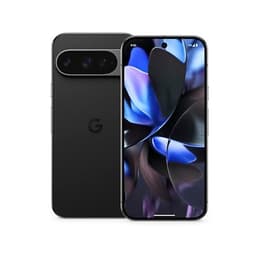
Google Pixel 9 Pro
Google Pixel 9 Pro
Starting at

Refurbished price:£395.25

Versus £917.17 new

See options
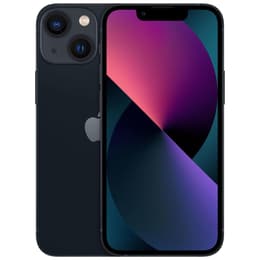
iPhone 13 mini
iPhone 13 mini
Starting at

Refurbished price:£186.00

Versus £649.00 new

See options

Ratings

The Google Pixel 9 Pro (2024) and the iPhone 13 Mini (2021) represent distinct approaches to smartphone design and functionality. While the Pixel 9 Pro offers a larger display, a more advanced camera system, and extended software support, the iPhone 13 Mini stands out for its compact form factor and integration within the Apple ecosystem. These differences cater to varying user preferences, from those prioritizing cutting-edge features and a larger screen to those seeking a highly portable device.

Scores

Durability

The expected practical lifespan of these two devices differs significantly due to their respective release timelines and manufacturer support policies.

  • Release Timeline: The Google Pixel 9 Pro, released in 2024, benefits from being a much newer device compared to the iPhone 13 Mini, which was launched in September 2021. This age difference directly impacts the duration of software and security updates.
  • OS Support Duration: Google has committed to providing seven years of software updates for the Pixel 9 Pro, ensuring it remains current and secure for an extended period. The iPhone 13 Mini, while still receiving updates, was discontinued in September 2023, meaning its software support window will close sooner than the Pixel 9 Pro's.
  • Durability Features: Both devices feature robust build materials. The Pixel 9 Pro incorporates Gorilla Glass Victus 2 on the front and back, along with a recycled aluminum frame, and carries an IP68 rating for dust and water resistance. The iPhone 13 Mini features a Ceramic Shield front cover, an aerospace-grade aluminum frame, and also boasts an IP68 rating, with users often reporting its compact size contributes to its perceived durability in drops.

Year of Release

2024

2021

Compatible with latest Update

Yes

Yes

OS

Android

iOS

Foldable

No

No

Performance

Performance capabilities vary between these two smartphones, influenced by their internal components and operating system optimizations.

  • Processor Capabilities: The Google Pixel 9 Pro is equipped with a current-generation processor designed for efficient handling of demanding applications, advanced AI tasks, and smooth multitasking. The iPhone 13 Mini, powered by a capable chip from its release year, delivers responsive performance for everyday use and most applications.
  • Multitasking and Responsiveness: The Pixel 9 Pro typically includes a larger amount of RAM (up to 16GB in some configurations), which can contribute to smoother transitions between numerous open applications and more intensive background processes. The iPhone 13 Mini, with 4GB of RAM, manages multitasking effectively within its operating system's optimized environment, though it may show limitations with a very high number of active applications.
  • Battery Behavior: User reports for the Pixel 9 Pro indicate strong battery endurance, with some users experiencing significant screen-on time even after a year of use. The iPhone 13 Mini, due to its smaller physical size, houses a more compact battery, which generally translates to more frequent charging for heavy users, though it can last a full day with moderate usage.

Memory (GB)

16 GB

4 GB

Screen quality

The visual experience on both devices is characterized by high-quality displays, though they differ in size and refresh rate capabilities.

  • Display Technology and Resolution: Both the Google Pixel 9 Pro and the iPhone 13 Mini feature OLED display technology, known for deep blacks and vibrant colors. The Pixel 9 Pro offers a 6.3-inch display with a resolution of 2856 x 1280 pixels, resulting in a pixel density of approximately 495 pixels per inch (ppi). The iPhone 13 Mini has a smaller 5.4-inch display with a resolution of 2340 x 1080 pixels, providing a pixel density of about 476 ppi.
  • Brightness and Outdoor Visibility: The Pixel 9 Pro's display can reach a typical brightness of 2000 nits and a peak brightness of 3000 nits, offering excellent visibility even in bright outdoor conditions. The iPhone 13 Mini's Super Retina XDR display provides a typical maximum brightness of 800 nits and a peak brightness of 1200 nits for HDR content, which is also suitable for most outdoor viewing.
  • Refresh Rate and Smoothness: A key difference lies in the refresh rate. The Pixel 9 Pro features a variable refresh rate ranging from 1Hz to 120Hz, contributing to smoother scrolling and more fluid animations, while also optimizing power consumption. The iPhone 13 Mini has a standard 60Hz refresh rate, which provides a consistent visual experience for general use.

Resolution

1280 x 2856

1080 x 2340

Screen type

LTPO OLED

Super Retina XDR OLED

Audiovisual

Both smartphones offer capable camera systems, but they approach photography with different hardware configurations and software philosophies.

  • Camera System Configuration: The Google Pixel 9 Pro features a versatile triple-lens rear camera setup, including a 50-megapixel wide lens, a 48-megapixel ultrawide lens with macro focus, and a 48-megapixel telephoto lens offering 5x optical zoom. The iPhone 13 Mini utilizes a dual 12-megapixel camera system on the rear, comprising a wide and an ultrawide lens.
  • Photography Performance: The Pixel 9 Pro is known for its computational photography, offering features like Super Res Zoom up to 30x, Night Sight, Astrophotography, and Pro Controls for manual adjustments. Its 42-megapixel front camera also includes autofocus. The iPhone 13 Mini excels in consistent image quality, with features such as Cinematic Mode for video, Photographic Styles, Night Mode, Deep Fusion, and sensor-shift optical image stabilization on its main lens. Its 12-megapixel TrueDepth front camera supports many of the same features as the rear cameras.
  • Video Recording Capabilities: Both devices support 4K video recording at up to 60 frames per second. The Pixel 9 Pro introduces advanced video features like Video Boost, which can upscale video to 8K resolution, and Night Sight Video. The iPhone 13 Mini offers HDR video recording with Dolby Vision and Cinematic Mode, which provides a shallow depth of field effect.

Main camera

50 megapixels

12 megapixels

Front camera

42 megapixels

12 megapixels

Miscellaneous

Beyond core features, several practical elements contribute to the overall user experience of these devices.

  • Connectivity and Ports: Both phones support 5G connectivity for fast mobile data. The Pixel 9 Pro features Wi-Fi 6E/7 and Bluetooth 5.3, along with a USB-C 3.2 port for charging and data transfer. The iPhone 13 Mini supports Wi-Fi 6 and Bluetooth 5.0, utilizing Apple's proprietary Lightning port.
  • Biometric Security: The Pixel 9 Pro typically uses an in-display fingerprint scanner for secure unlocking, alongside face recognition. The iPhone 13 Mini relies on Face ID, Apple's facial recognition system, for biometric authentication.
  • Physical Design and Handling: The iPhone 13 Mini is notably compact and lightweight, measuring 131.5 x 64.2 x 7.65 mm and weighing 141 grams, making it ideal for one-handed use and easy pocketability. The Google Pixel 9 Pro is a larger device at 152.8 x 72 x 8.5 mm and weighs 199 grams, offering a more expansive screen experience.

Weight

199 g

140 g

Screen size (in)

6.3

5.4

Mobile network

5G

5G

SIM card

Physical SIM + eSIM

Physical SIM + eSIM

Carrier compatibility

Unlocked

Unlocked

Connector

USB-C

Lightning

The Google Pixel 9 Pro and the iPhone 13 Mini cater to different user priorities, reflecting their distinct design philosophies and release timelines. User sentiment for the Pixel 9 Pro often highlights its advanced camera capabilities, particularly its computational photography features and versatile zoom options. Many users also praise its extended software support and the fluidity of the Android operating system, with some noting impressive battery longevity. Criticisms sometimes revolve around its size for those preferring smaller devices, or occasional software quirks, though these are often addressed with updates.

The iPhone 13 Mini is frequently lauded for its exceptionally compact form factor, making it a preferred choice for users who prioritize one-handed usability and pocketability. Its consistent performance, reliable camera system, and integration within the Apple ecosystem are also common points of praise. However, its smaller battery capacity is a frequent concern for heavy users, and its 60Hz display is a limitation compared to newer devices. The discontinuation of the 'mini' line also means it represents a specific niche.

Users prioritizing a cutting-edge camera system, a larger, high-refresh-rate display, and the longest possible software support will find the Google Pixel 9 Pro well-suited to their needs. Its focus on AI-driven features and a robust Android experience makes it a strong contender for those seeking the latest technological advancements. Conversely, users who value a highly portable, compact device with a proven ecosystem and consistent performance for everyday tasks may lean towards the iPhone 13 Mini. It remains a compelling option for those who prefer a smaller phone, especially as a quality-assured refurbished option, offering an eco-friendly alternative to purchasing new. Ultimately, the choice depends on whether a user prioritizes a larger, feature-rich experience or a highly pocketable and familiar device.

See all articles

Our recent comparisons