
Compare models

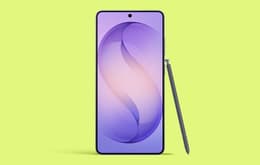
Galaxy S26 Ultra Vs Google Pixel 10 Pro XL

  • 1-year minimum warranty
  • Free delivery on all items
  • Free 30-day returns
Galaxy S26 Ultra
Starting at

Refurbished price:£890.00

Versus £1,279.00 new

See options
Google Pixel 10 Pro XL
Starting at

Refurbished price:£538.00

Versus £1,199.00 new

See options

Differences at a glance

The Samsung Galaxy S26 Ultra (2026) and the Google Pixel 10 Pro XL (2025) represent the pinnacle of large-screen Android smartphones. While both devices cater to power users seeking expansive displays and advanced capabilities, they approach daily computing through different ecosystems and hardware philosophies. The Galaxy S26 Ultra runs on Samsung's customized interface built over Android, while the Pixel 10 Pro XL offers Google's clean software vision infused with deep artificial intelligence features.

Available Models

Colour

Storage (GB)

Scores

Durability

Both smartphones are built to remain functional and secure for many years, though their exact support timelines and physical endurance profiles differ slightly based on their manufacturing dates and repair structures.

    Software longevity: The Galaxy S26 Ultra benefits from an extended multi-year update commitment covering numerous major operating system upgrades, closely matching the long-term support window provided by the Pixel 10 Pro XL.
  • Repairability: Both manufacturers incorporate modular internal components to streamline authorized component swaps, helping users extend the practical lifespan of each handset.
  • Expected lifespan: Robust build materials and high-capacity internal hardware ensure both devices maintain reliable daily performance across several years of continuous use.

Year of Release

2026

2025

Compatible with latest Update

Yes

Yes

OS

Android

Android

Foldable

No

No

Performance

System responsiveness and everyday utility are handled through high-tier internal configurations designed to manage heavy workloads, resource-intensive games, and demanding multitasking without stuttering.

    Multitasking and memory: Generous random access memory allocations on both models allow dozens of background applications to stay open simultaneously without forcing frequent reloads.Storage configurations: Both flagship lines start with substantial base storage capacities and offer high-tier alternatives for users who store large media libraries locally.
  • Day-to-day responsiveness: Applications launch instantly, and demanding games run smoothly thanks to advanced thermal management systems and current-generation processing hardware.

Screen quality

Visual immersion is a priority for both handsets, utilizing advanced organic light-emitting diode panels that deliver deep contrast levels and fluid motion handling.

    Display technology: Both devices use high-resolution adaptive refresh rate panels that scale down during static reading and ramp up to high frequencies during scrolling or gaming.
  • Outdoor visibility: Exceptionally high peak brightness levels ensure that text and images remain sharp and legible even under direct sunlight.
  • Viewing experience: Expansive screen diagonals provide generous workspace for productivity tasks, media streaming, and document editing.

Resolution

1440 x 3120

1344 x 2992

Audiovisual

Photography and video recording suites on both devices offer versatile optical setups backed by sophisticated image processing software to handle diverse lighting scenarios.

    Lens versatility: Both models feature multi-lens rear camera arrays incorporating ultra-wide options and dedicated telephoto capabilities for distant subjects.
  • Low-light performance: Advanced sensor hardware combined with computational processing captures clear, balanced images in dim environments with minimal noise.
  • Video and audio: High-resolution video recording capabilities pair with clear multi-microphone arrays to capture sharp footage and crisp audio during calls or media creation.

Front camera

12.0

42 megapixels

Miscellaneous

Practical daily usability elements, including connectivity standards, physical dimensions, and security sensors, define how each device integrates into a traveler's or professional's routine.

    Connectivity and ports: Both handsets support modern fifth-generation cellular networks, rapid wireless protocols, and universal wired charging connections via standard USB-C ports.
  • Security sensors: Secure biometric authentication is handled through responsive under-display fingerprint readers alongside fast facial recognition options.
  • Build and handling: Sturdy frame materials provide robust structural integrity, though the substantial physical footprints require two-handed usage for comfortable navigation.

Weight

214 g

232 g

Screen size (in)

6.9

6.8

Mobile network

5G

5G

SIM card

Physical SIM + eSIM

Physical SIM + eSIM

Carrier compatibility

Unlocked

Unlocked

Connector

USB-C

USB-C

What the community thinks

User feedback from online communities highlights distinct preferences for each flagship device. Owners of the Galaxy S26 Ultra frequently praise its versatile camera zoom capabilities, integrated stylus utility, and sharp display performance. Meanwhile, Pixel 10 Pro XL users often emphasize appreciation for the clean software interface, intuitive voice-to-text integration, and natural-looking photography output. Common discussions often note that the Pixel line excels at streamlined, assistant-driven workflows, whereas the Samsung alternative leans into maximalist hardware versatility.

Users prioritizing advanced multi-lens zoom options and integrated productivity accessories may prefer the Galaxy S26 Ultra, while users seeking a clean software experience and conversational artificial intelligence tools will find the Pixel 10 Pro XL well-suited to their needs. Choosing between them depends entirely on personal preference for software styling and accessory ecosystems. For those looking to make a sustainable choice, choosing a quality-assured refurbished option provides an eco-friendly alternative to purchasing brand-new hardware.


Our recent comparisons