
Galaxy A25 Vs Sony Xperia 1 IV

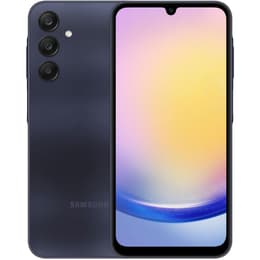
Galaxy A25
Galaxy A25
Starting at

Refurbished price:£121.00

Versus £272.58 new

See options
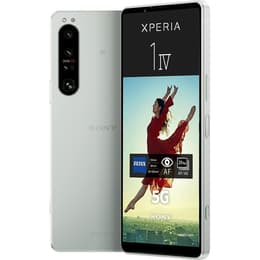
Sony Xperia 1 IV
Sony Xperia 1 IV
Starting at

Refurbished price:£346.00

Versus £1,500.00 new

See options

Ratings

The Samsung Galaxy A25 (released in late 2023) and the Sony Xperia 1 IV (launched in mid-2022) are distinct smartphones catering to different user expectations. While the Galaxy A25 focuses on delivering a balanced experience for everyday use, the Xperia 1 IV is designed with a strong emphasis on advanced multimedia capabilities, particularly for photography and videography enthusiasts. Both devices operate on the Android platform, offering a wide range of applications and customization.

Scores

Durability

The longevity of a smartphone is influenced by its physical resilience and the duration of software support it receives. These two devices present different profiles in this regard.

  • Release Timeline and Software Support: The Samsung Galaxy A25, being a newer device from late 2023, benefits from Samsung's commitment to providing four years of operating system updates and five years of security updates. This extended support means it will receive new Android versions and security patches for a considerable period [3, 8, 31, 34, 35]. In contrast, the Sony Xperia 1 IV, released in mid-2022, launched with Android 12 and has received updates up to Android 14. User sentiment suggests it may not receive further major Android version updates, potentially limiting its software longevity compared to the A25 [18].
  • Physical Durability: The Sony Xperia 1 IV features Corning Gorilla Glass Victus on both its front and back, along with an IP68 rating for dust and water protection, indicating a higher level of resistance to environmental elements [6, 9, 12, 16, 33]. The Samsung Galaxy A25 utilizes Gorilla Glass 5 for its display and has a plastic frame, but lacks an official IP rating, suggesting it may be less resistant to water and dust ingress [20, 22].
  • Expected Practical Lifespan: For users prioritizing long-term software currency and robust physical protection, the Galaxy A25 offers a longer guaranteed software update period, while the Xperia 1 IV provides superior physical durability. However, the Xperia's earlier release date means its software support window is closing sooner.

Year of Release

2023

2022

Compatible with latest Update

Yes

No

OS

Android

Android

Foldable

No

No

Performance

Performance is a key differentiator, with each device offering capabilities suited to different usage patterns and demands.

  • Core Processing Power: The Sony Xperia 1 IV is equipped with a high-performance processor, designed to handle demanding applications, intensive multitasking, and graphically rich games with considerable speed and efficiency [4, 16, 33, 37, 38]. This allows for very smooth operation and quick app loading. The Samsung Galaxy A25 features a capable processor that provides smooth performance for everyday tasks such as web browsing, social media, and moderate gaming [1, 3, 5, 20]. While it handles daily activities well, it may show limitations with very heavy multitasking or graphically intense gaming sessions [1, 5, 22].
  • Multitasking and Responsiveness: With its substantial 12GB of RAM (and some variants offering 16GB), the Xperia 1 IV excels at keeping numerous applications open simultaneously and switching between them without noticeable delays [4, 16, 33, 38]. The Galaxy A25, typically available with 6GB or 8GB of RAM, offers responsive app switching for most users, though some may experience occasional stuttering during very intense multitasking scenarios [1, 3, 5, 22].
  • Thermal Management and Sustained Performance: The Xperia 1 IV's powerful processor, while offering high peak performance, has been noted by users to generate significant heat during prolonged heavy use, such as extended gaming or video recording, which can lead to performance throttling [18, 23, 24, 27]. The Galaxy A25's processor generally maintains stable temperatures during typical use, providing consistent performance for its intended tasks [5].

Memory (GB)

6 GB

12 GB

Screen quality

The display is a central feature of any smartphone, and these two models offer distinct viewing experiences.

  • Display Technology and Resolution: The Sony Xperia 1 IV boasts a 6.5-inch OLED display with a unique 4K resolution (3840 x 1644 pixels) and a 21:9 aspect ratio, providing exceptional sharpness and an immersive cinematic viewing experience [2, 4, 6, 17, 19, 33, 38]. The Samsung Galaxy A25 features a 6.5-inch Super AMOLED display with a Full HD+ resolution (2340 x 1080 pixels), delivering vibrant colors and deep blacks [3, 8, 20, 34, 35]. While not 4K, its resolution is clear and detailed for most content.
  • Brightness and Outdoor Visibility: Both phones offer good brightness levels. The Galaxy A25 can reach a peak brightness of 1000 nits, making it generally visible outdoors, even on bright days [3, 35]. The Xperia 1 IV's display is also bright, an improvement over its predecessor, and is usable in sunny conditions, though some users have noted it can still be challenging in direct sunlight compared to some other flagship devices [2, 19, 43].
  • Refresh Rate and Smoothness: Both devices feature a 120Hz refresh rate, contributing to smoother scrolling, more fluid animations, and a more responsive feel during interactions [1, 2, 3, 5, 6, 10, 17, 19, 20, 25, 31, 34, 35]. The Galaxy A25 allows manual switching between 60Hz and 120Hz [3, 35]. The Xperia 1 IV also offers 60Hz or 120Hz options [2].
  • Viewing Experience: The Xperia 1 IV's 21:9 aspect ratio is particularly well-suited for widescreen video content, filling the screen without black bars [2, 18, 19, 25, 43]. The Galaxy A25's more conventional aspect ratio and vibrant AMOLED panel provide an excellent viewing experience for general media consumption and daily tasks [1, 3, 5, 34].

Resolution

1080 x 2340

1644 x 3840

Screen type

Super AMOLED

OLED

Audiovisual

Camera capabilities are a significant consideration, and these phones approach photography and videography from different perspectives.

  • Rear Camera Systems: The Sony Xperia 1 IV features a versatile triple 12-megapixel camera system, including a main lens with optical image stabilization (OIS), an ultrawide lens, and a unique variable optical zoom lens that can smoothly transition between 85mm and 125mm focal lengths [2, 6, 11, 16, 24, 26, 33]. This optical zoom is a notable feature for capturing distant subjects with clarity. The Samsung Galaxy A25 offers a triple camera setup with a 50-megapixel main sensor (with OIS and pixel binning), an 8-megapixel ultrawide, and a 2-megapixel macro lens [1, 3, 14, 15, 20, 21].
  • Photography Performance: The Xperia 1 IV is geared towards photography enthusiasts, offering extensive manual controls and producing images with natural colors and good dynamic range, akin to dedicated cameras [2, 11, 24, 26]. Its computational photography, however, may not always match competitors in automatic modes, especially in challenging lighting [2, 23, 28]. The Galaxy A25's 50-megapixel main camera performs well in good lighting conditions, capturing detailed images with vibrant, though sometimes oversaturated, colors [3, 14, 21, 30]. Its ultrawide and macro lenses are considered average [14, 30]. Both phones can struggle with low-light photography [1, 14, 21, 23, 30].
  • Video Recording and Front Camera: The Xperia 1 IV excels in video, capable of recording 4K video at 120 frames per second across all its main cameras, offering significant creative potential for videographers [2, 27]. Its front camera is a 12-megapixel sensor [9, 19, 27]. The Galaxy A25 supports 4K video recording with its main camera, though stabilization can be wobbly, and the ultrawide camera is not available in 4K [14]. Its 13-megapixel front camera delivers good selfies with accurate skin tones and sharpness [30].
  • Unique Features: The Xperia 1 IV includes a dedicated physical shutter button, enhancing the photography experience [27, 43]. The Galaxy A25's main camera benefits from pixel binning for improved light capture [3, 14].

Main camera

50 megapixels

12 megapixels

Front camera

13 megapixels

12 megapixels

Miscellaneous

Beyond core performance and display, several practical features contribute to the overall user experience.

  • Connectivity and Ports: Both smartphones support 5G connectivity, ensuring access to faster mobile networks [6, 15, 16, 20]. The Xperia 1 IV supports Wi-Fi 6E, offering potentially faster and more stable wireless connections than the Galaxy A25's Wi-Fi 6 [16, 33]. Both devices include Bluetooth (5.2 for Xperia, 5.3 for A25), NFC for contactless payments, and a USB Type-C port for charging and data transfer [6, 9, 15, 16, 20, 33, 38]. Notably, both phones retain a 3.5mm headphone jack, a feature less common in modern smartphones [20, 31, 33, 43].
  • Biometric Security and Sensors: Both the Galaxy A25 and Xperia 1 IV feature a side-mounted fingerprint sensor integrated into the power button for convenient and secure unlocking [10, 16, 20, 31, 35, 43]. The Xperia 1 IV also includes a barometer and a color spectrum sensor, which can be useful for specific applications or environmental data [16, 33]. The Galaxy A25 includes an accelerometer, ambient light sensor, and proximity sensor [10, 15].
  • Design and Handling: The Xperia 1 IV has a distinctive tall and narrow 21:9 aspect ratio, which makes it comfortable to hold in one hand despite its 6.5-inch screen size [2, 19, 25, 43]. It weighs 185 grams [6, 16, 38]. The Galaxy A25 has a more conventional design with rounded corners and measures 161 x 76.5 x 8.3 mm, weighing 197 grams [15]. Its bezels are noted as being somewhat large [34].
  • Storage Expansion: Both phones offer expandable storage via a microSD card, allowing users to increase their storage capacity beyond the internal options (up to 1TB for both) [3, 15, 16, 20, 31, 38].

Weight

197 g

185 g

Screen size (in)

6.5

6,5

Mobile network

5G

5G

SIM card

Dual Physical SIM

Physical SIM + eSIM

Carrier compatibility

Unlocked

Unlocked

Connector

USB-C

USB-C + Jack 3.5mm

The Samsung Galaxy A25 and Sony Xperia 1 IV cater to different user needs, each with its own set of strengths and considerations.

The Xperia 1 IV is often praised for its exceptional 4K OLED display with a 120Hz refresh rate, which provides a visually stunning and immersive experience, particularly for cinematic content [2, 17, 18, 25]. Its camera system, with a unique variable optical zoom and extensive manual controls, is highly regarded by photography and videography enthusiasts who appreciate a more hands-on approach to image capture [2, 11, 24, 26]. Users also appreciate its narrow form factor, making it comfortable to hold, and the inclusion of a physical shutter button and headphone jack [25, 43]. However, common criticisms include its tendency to overheat during demanding tasks like prolonged camera use or heavy gaming, which can impact performance and battery life [18, 23, 24, 27]. Its computational photography in auto mode is sometimes seen as less competitive than other flagships, and its software update longevity is shorter than some rivals [18, 23, 28].

The Galaxy A25 is generally lauded for its bright and vibrant Super AMOLED display with a 120Hz refresh rate, offering a smooth and enjoyable viewing experience for everyday use [1, 3, 31, 34, 35]. Its main camera performs competently in good lighting, and Samsung's commitment to four years of OS updates and five years of security updates is a significant advantage for users seeking long-term software support [3, 8, 34, 35]. Users also appreciate its solid battery life for typical usage and the inclusion of a headphone jack and expandable storage [31, 42]. Criticisms often point to its processor, which, while adequate for daily tasks, can show limitations with more intensive applications or multitasking [5, 22, 40]. Some users have also noted its larger bezels and less impressive ultrawide and macro cameras [14, 34].

Users who prioritize a cutting-edge display for media consumption, advanced manual camera controls, and a compact, premium build may find the Sony Xperia 1 IV well-suited to their needs, provided they are mindful of its thermal management during heavy use. Conversely, individuals seeking a reliable smartphone with excellent software longevity, a vibrant display for general use, and a balanced performance for everyday tasks will likely find the Samsung Galaxy A25 to be a practical choice. Both devices offer the opportunity to make an eco-friendly and quality-assured choice by opting for a refurbished model, extending their lifecycle and reducing electronic waste.
See all articles

Our recent comparisons