
Galaxy S9 Vs iPhone 13 Pro Max

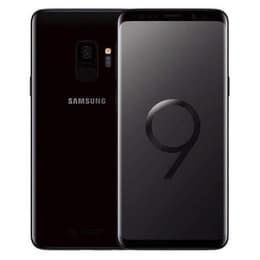
Galaxy S9
Galaxy S9
Starting at

Refurbished price:£92.00

Versus £449.00 new

See options
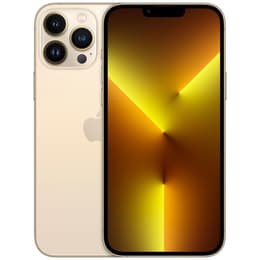
iPhone 13 Pro Max
iPhone 13 Pro Max
Starting at

Refurbished price:£264.00

Versus £1,049.00 new

See options

Ratings

The Samsung Galaxy S9, launched in 2018, and the iPhone 13 Pro Max, released in 2021, represent different eras of smartphone technology. While the Galaxy S9 offers a compact Android experience, the iPhone 13 Pro Max provides a large-format iOS environment with more modern features.

These devices cater to distinctly different user needs, ranging from basic daily communication to demanding mobile productivity and photography. Understanding the practical differences in their hardware and software support is essential for choosing the right device for your daily routine.

Scores

Durability

The Galaxy S9 and the iPhone 13 Pro Max differ notably in their expected software support and physical resilience.

  • Software Longevity: The iPhone 13 Pro Max continues to receive the latest operating system updates, ensuring access to new features and security patches for several more years. In contrast, the Galaxy S9 reached its final official software update some time ago, meaning it may not support the newest versions of certain apps.
  • Build and Repair: Both phones feature glass and metal constructions that require careful handling. The iPhone 13 Pro Max uses a specialised front glass designed for increased drop resistance, while the Galaxy S9's curved edges are a distinct design choice. Choosing a quality-assured refurbished option can extend the life of these designs while supporting a circular economy.
  • Practical Lifespan: Given its newer hardware, the iPhone 13 Pro Max is better positioned for long-term use in 2026, whereas the Galaxy S9 is best suited for users with modest requirements who do not mind running older software versions.

Year of Release

2018

2021

Compatible with latest Update

No

Yes

OS

Android

iOS

Foldable

No

No

Performance

Real-world responsiveness and multitasking capabilities differ notably between these two generations of hardware.

  • System Responsiveness: The iPhone 13 Pro Max handles demanding tasks, such as high-definition video editing and complex gaming, with consistent smoothness. The Galaxy S9 remains capable for web browsing, messaging, and social media, though users may notice slower loading times when opening modern, resource-heavy applications.
  • Multitasking and Memory: With more internal memory for active tasks, the iPhone 13 Pro Max allows users to switch between many open apps without them restarting. The Galaxy S9 may occasionally close background apps to maintain system speed, which is a common trait for devices of its era.
  • Battery Endurance: The iPhone 13 Pro Max is designed for extended use, often lasting through a full day of heavy activity. The Galaxy S9 has a smaller battery capacity, which generally necessitates more frequent charging, especially for users who frequently use GPS or streaming services.

Memory (GB)

4 GB

6 GB

Screen quality

The viewing experience is defined by size, brightness, and the smoothness of motion on the display.

  • Display Technology: Both devices utilise OLED technology, which provides deep blacks and high contrast. However, the iPhone 13 Pro Max features a much larger 6.7-inch screen compared to the 5.8-inch display on the Galaxy S9, making it more immersive for watching videos or reading long documents.
  • Motion Smoothness: The iPhone 13 Pro Max includes a high refresh rate, which makes scrolling through menus and animations appear fluid. The Galaxy S9 uses a standard refresh rate that, while clear and sharp, does not offer the same level of visual smoothness during fast movement.
  • Outdoor Visibility: In bright sunlight, the iPhone 13 Pro Max can reach higher brightness levels, making the screen easier to read. The Galaxy S9 remains legible outdoors but may require more effort to view in direct midday light.

Resolution

1440 x 2960

1284 x 2778

Screen type

Super AMOLED

Super Retina XDR OLED

Audiovisual

Photography and media consumption capabilities have evolved notably between the release of these two models.

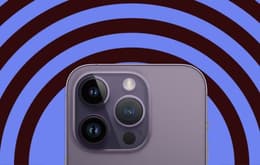
  • Camera Versatility: The iPhone 13 Pro Max features a triple-lens system, allowing users to zoom in on distant subjects or capture wide landscapes with ease. The Galaxy S9 relies on a single rear lens, which takes high-quality photos in good lighting but lacks the flexibility of dedicated zoom or ultra-wide options.
  • Low-Light Performance: For evening or indoor photography, the iPhone 13 Pro Max uses advanced processing to brighten images and reduce graininess. The Galaxy S9 was well-regarded for its low-light capabilities at launch, but it cannot match the clarity and detail found in the newer model's night-time shots.
  • Video and Audio: Video recording on the iPhone 13 Pro Max is stable and high-quality in appearance, supported by clear microphone pickup. The Galaxy S9 provides reliable video for casual use, and its stereo speakers offer a balanced audio experience for its size.

Main camera

12 megapixels

12 megapixels

Front camera

8 megapixels

12 megapixels

Miscellaneous

Physical design and connectivity options reflect the changing standards of the mobile industry.

  • Connectivity and Ports: The Galaxy S9 includes a traditional headphone jack and a microSD slot for expandable storage, features that many users still find practical. The iPhone 13 Pro Max uses a proprietary port for charging and requires wireless or adapter-based solutions for wired headphones.
  • Biometrics and Security: The iPhone 13 Pro Max utilises facial recognition for secure unlocking, which is fast and works in most lighting conditions. The Galaxy S9 offers a fingerprint sensor on the rear and an iris scanner, providing multiple ways to access the device.
  • Size and Handling: The Galaxy S9 is notably lighter and narrower, making it easy to use with one hand. The iPhone 13 Pro Max is a substantial device that usually requires two hands for comfortable operation but offers a much larger canvas for content.

Weight

163 g

238 g

Width

6,87 cm

7,81 cm

Height

14,77 cm

16,08 cm

Depth

0,85 cm

0,76 cm

Screen size (in)

5.8

6.7

Mobile network

4G

5G

SIM card

Physical SIM

Physical SIM + eSIM

Carrier compatibility

Unlocked

Unlocked

Connector

USB-C + Jack 3.5mm

Lightning

Based on user discussions and community forums, the Galaxy S9 is often remembered for its comfortable ergonomics and the inclusion of features like the headphone jack, though many users now find its battery life insufficient for modern needs. Conversely, the iPhone 13 Pro Max receives high praise for its long-lasting battery endurance and display quality, though some users find its weight and size cumbersome for daily carry.

Users who prioritise a compact, lightweight device for basic tasks like calling, texting, and light browsing may find the Galaxy S9 fits their lifestyle well, especially if they prefer the Android ecosystem and traditional ports. Those who require a powerful tool for photography, demanding gaming, or all-day professional use will likely lean toward the iPhone 13 Pro Max for its modern capabilities and extended software support.

Opting for a sustainable choice like a refurbished device allows users to access these features while reducing electronic waste. Ultimately, the decision rests on whether one values the portability and classic features of the Galaxy S9 or the expansive screen and longevity of the iPhone 13 Pro Max.