Compare models

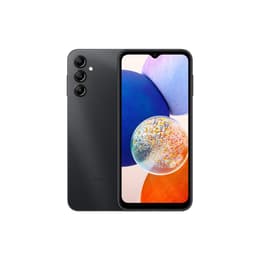
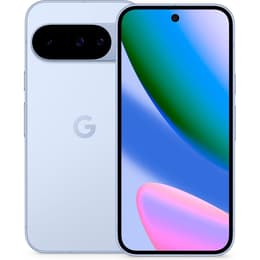
Galaxy A14 Vs Google Pixel 10

  • 1-year minimum warranty
  • Free delivery on all items
  • Free 30-day returns
Galaxy A14
Starting at

Refurbished price:£90.00

Versus £269.00 new

See options
Google Pixel 10
Starting at

Refurbished price:£404.00

Versus £789.14 new

See options

Differences at a glance

The Samsung Galaxy A14 (2023) and the Google Pixel 10 (2025) represent two distinct tiers of Android smartphones designed for different user expectations and release generations. While the Galaxy A14 focuses on providing essential everyday smartphone capabilities, the Google Pixel 10 offers advanced computing power and an updated software ecosystem. These devices operate on different iterations of the Android operating system, with the Pixel running a newer software version out of the box. This comparison examines how their practical differences influence daily usability.

Available Models

Colour

Storage

Scores

Durability

When evaluating hardware longevity and software support, both devices handle updates differently based on their respective release schedules and market positioning.

  • Software Support: The Google Pixel 10 benefits from an extended multi-year software update commitment, ensuring long-term security patches and OS upgrades. The Galaxy A14 features a shorter support window typical of entry-level mobile devices.
  • Build and Repairability: Both models utilize durable outer casings suited for daily wear, though repair infrastructure varies depending on regional parts availability and component modularity.
  • Expected Lifespan: Users seeking long-term operational relevance over several years will find the Pixel 10's modern software lifespan advantageous, whereas the Galaxy A14 suits users looking for a straightforward, short-to-medium-term communication tool.

Year of Release

2023

2025

Compatible with latest Update

No

Yes

OS

Android

Android

Foldable

No

No

Performance

Processing capabilities and day-to-day responsiveness vary significantly between these two models, influencing how smoothly apps run and how well multitasking is handled.

  • Multitasking and App Handling: The Google Pixel 10 handles demanding applications, heavy background tasks, and intensive mobile gaming smoothly due to its high-capacity RAM and current-generation processor architecture. The Galaxy A14 manages basic tasks like web browsing, messaging, and light streaming reliably, though heavier applications may require more loading time.
  • Storage Configurations: The Pixel 10 offers larger baseline storage tiers with fast read and write speeds, while the Galaxy A14 provides expandable storage via a dedicated memory card slot for media storage flexibility.
  • Battery Behavior: Both phones house large battery capacities capable of lasting through a full day of moderate use, though the Pixel 10 benefits from advanced power-efficiency management in its processor.

Screen quality

Display technologies differ notably between the two devices, impacting outdoor visibility, media consumption, and visual fluidity.

  • Display Panel and Refresh Rate: The Google Pixel 10 features a vibrant OLED display with a high refresh rate, resulting in fluid scrolling and deep contrast levels. The Galaxy A14 utilizes a standard liquid crystal display panel with a traditional 60Hz refresh rate.
  • Brightness and Clarity: The Pixel 10 achieves higher peak brightness levels for clear outdoor visibility under direct sunlight, while the Galaxy A14 offers crisp text rendering suitable for reading and everyday viewing.
  • Media Experience: Users who prioritize smooth motion graphics, rich contrast, and immersive video playback will notice a more responsive viewing experience on the Pixel 10.

Resolution

1080 x 2408

1080x2424

Screen type

PLS LCD

OLED

Audiovisual

Photography and media recording capabilities reflect the distinct hardware and software tuning approaches of each manufacturer.

  • Camera Systems: The Google Pixel 10 incorporates an advanced multi-lens rear array, including specialized ultra-wide and telephoto options, supported by sophisticated image processing software for sharp low-light photography. The Galaxy A14 relies on a simpler multi-lens setup focused on primary daily snapshots.
  • Video and Audio: The Pixel 10 supports stable, high-resolution video recording with clear microphone input for calls and content creation. The Galaxy A14 handles standard high-definition video recording adequate for casual sharing.
  • Media Consumption: Speaker output on the Pixel 10 delivers richer audio clarity for hands-free calls and media streaming compared to the single-speaker setup found on the Galaxy A14.

Front camera

13 megapixels

42 megapixels

Miscellaneous

Practical daily usability features, connectivity standards, and physical handling characteristics shape the overall user experience.

  • Connectivity Standards: The Pixel 10 includes modern wireless connectivity protocols such as advanced Wi-Fi standards and rapid 5G compatibility. The Galaxy A14 supports standard 4G or basic 5G connectivity depending on the specific regional variant chosen.
  • Physical Design: Both devices feature comfortable handling profiles, though differences in weight and bezel thickness alter their pocketability and physical grip.
  • Security and Biometrics: The Pixel 10 uses a responsive in-display fingerprint sensor, while the Galaxy A14 utilizes a side-mounted physical fingerprint reader integrated into the power button.

Weight

201 g

204 g

Screen size (in)

6.6

6.3

Mobile network

4G

5G

SIM card

Dual Physical SIM

Physical SIM + eSIM

Carrier compatibility

Unlocked

Unlocked

What the community thinks

User community discussions highlight distinct preferences for each device based on everyday requirements. Owners of the Samsung Galaxy A14 frequently praise its reliable battery longevity, expandable storage convenience, and straightforward reliability for basic tasks. On the other hand, Google Pixel 10 users frequently commend its fluid display performance, high-quality photography output, and robust software ecosystem. Common criticisms for the Galaxy A14 center around slower loading speeds during intensive tasks, while Pixel 10 discussions occasionally note its heavier physical build.

Users prioritizing high-performance gaming, advanced photography, and long-term software updates will find the Google Pixel 10 well-suited to their needs. Conversely, users seeking a reliable, straightforward device for essential communication, media storage expansion, and everyday utility may prefer the Samsung Galaxy A14. For those exploring sustainable tech habits, a quality-assured refurbished option provides an eco-friendly alternative that extends device life cycles without compromising on functional performance.