
Compare models

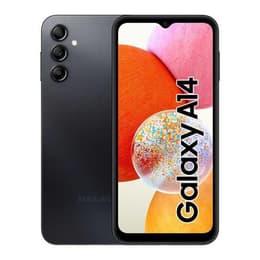
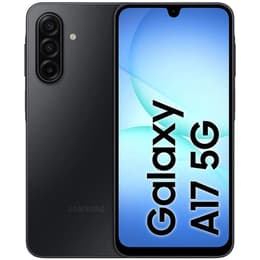
Galaxy A14 5G Vs Galaxy A17

  • 1-year minimum warranty
  • Free delivery on all items
  • Free 30-day returns
Galaxy A14 5G
Starting at

Refurbished price:£124.99

Versus £289.00 new

See options
Galaxy A17
Starting at

Refurbished price:£131.00

Versus £243.85 new

See options

Differences at a glance

The Samsung Galaxy A14 5G (2023) and the Samsung Galaxy A17 (2025) represent successive generations of Samsung's accessible smartphone lineup. While both devices serve everyday communication needs, the Galaxy A17 introduces a refined display technology, expanded software longevity, and a slimmer physical profile compared to its older counterpart. Both run on the Android operating system with Samsung's custom interface, providing a familiar software environment across generations.

Available Models

Colour

Storage

Scores

Durability

When evaluating the long-term viability of these devices, differences in release schedules and update commitments play a central role in shaping their expected practical lifespans.

  • Software support lifecycle: The Galaxy A17 benefits from an extended software update commitment spanning multiple years, while the older Galaxy A14 5G operates on a shorter remaining support window.
  • Build and durability standards: The Galaxy A17 features improved dust and splash resistance alongside sturdier front glass protection, whereas the Galaxy A14 5G relies on basic protective standards suitable for careful everyday handling.
  • Expected practical lifespan: Users can anticipate a longer period of secure daily operation from the Galaxy A17 due to its recent release year and sustained security patch schedule.

Year of Release

2023

2025

OS

Android

Android

Foldable

No

No

Performance

Daily responsiveness and multitasking capabilities vary based on internal hardware configurations and memory allocation across both models.

  • System responsiveness: Both devices handle standard web browsing, social media applications, and messaging smoothly, though the Galaxy A17 manages heavier multitasking and app switching with greater fluency.
  • Storage capacity: The Galaxy A17 typically starts with higher baseline internal storage for media files, while both models include expandable storage slots via microSD cards for additional space.
  • Battery behavior: Both smartphones pack large capacity power cells designed to comfortably last through a full day of standard use, though charging speeds favor the Galaxy A17 which supports faster wired replenishment.

Screen quality

Visual output and screen technology represent some of the most noticeable practical differences when switching between these two generations.

  • Display technology: The Galaxy A14 5G utilizes a standard LCD panel, whereas the Galaxy A17 upgrades to a vibrant Super AMOLED screen that delivers deeper contrast and richer colors.
  • Outdoor visibility: Higher peak brightness levels on the Galaxy A17 ensure that text and images remain legible under direct sunlight compared to the dimmer display on the older model.
  • Viewing experience: The Galaxy A17 offers a slightly larger screen real estate paired with a smooth refresh rate, making media consumption and scrolling comfortable for daily users.

Resolution

1080 x 2408

1080x2340

Audiovisual

Multimedia capture and audio output capabilities reflect incremental improvements geared toward everyday content recording and media playback.

  • Photography performance: Both feature a primary high-resolution main sensor for daytime snapshots, but the Galaxy A17 adds optical image stabilization to reduce blur in lower light conditions.
  • Secondary lenses: The Galaxy A17 incorporates a wider secondary field of view for group shots, complementing the standard macro lenses found on both devices.
  • Media consumption: Built-in single loudspeaker setups on both phones handle calls and casual video viewing adequately, while retaining the standard headphone jack for wired audio accessories.

Front camera

13 megapixels

13MP

Miscellaneous

Physical dimensions, connectivity standards, and daily handling characteristics determine how each phone fits into a traveler's or commuter's routine.

  • Physical dimensions: The Galaxy A17 adopts a noticeably slimmer and lighter chassis that is easier to grip than the thicker, heavier build of the Galaxy A14 5G.
  • Connectivity options: Both models support mobile data networks and local wireless standards, ensuring reliable internet access on the go.
  • Security sensors: Side-mounted fingerprint recognition and facial scanning are integrated into both devices for quick and secure unlocking.

Weight

201 g

192 g

Screen size (in)

6.6

6.7

Mobile network

5G

5G

SIM card

Dual Physical SIM

Dual Physical SIM

Carrier compatibility

Unlocked

Unlocked

Connector

USB-C + Jack 3.5mm

USB-C

What the community thinks

Community discussions and user feedback indicate that both smartphones successfully meet expectations for reliable everyday communication without unnecessary complexity. Users frequently praise the Galaxy A14 5G for its dependable battery endurance and straightforward interface, though some note that its screen brightness and charging speeds feel dated. Conversely, owners of the Galaxy A17 highlight the superior display quality and modern software support as major advantages, while observing that processing limits prevent intensive mobile gaming.

Users prioritizing maximum display clarity, extended software longevity, and faster charging will find the Galaxy A17 well-suited to their needs. Meanwhile, users looking for a basic, dependable communication tool for standard daily tasks may lean toward the Galaxy A14 5G. For consumers exploring a sustainable choice, a quality-assured refurbished option provides a reliable path to acquiring either device while reducing electronic waste. Ultimately, the choice depends on whether long-term software updates and a brighter screen outweigh the simplicity of an older generation model.