

Samsung
Compare models
Differences at a glance
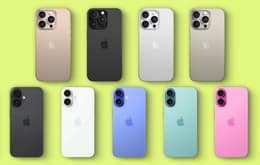
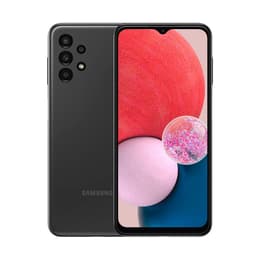
The Samsung Galaxy A13, released in March 2022, is an Android smartphone designed to offer essential features for everyday use. In contrast, the iPhone 16 Pro, launched in September 2024, represents Apple's premium flagship device, focusing on advanced performance, camera capabilities, and display technology. These two devices cater to distinct user needs, with the Galaxy A13 providing a straightforward Android experience and the iPhone 16 Pro delivering a high-end iOS ecosystem with cutting-edge innovations.
Colour
Storage
When considering the practical lifespan of these devices, their release timelines and software support play a significant role. The Galaxy A13, an Android device from 2022, typically receives several years of operating system updates, with its original Android 12 upgradable to Android 14. The iPhone 16 Pro, released in 2024, benefits from Apple's extended software support, ensuring it receives iOS updates for a longer duration, generally around 5-6 years from its launch. [1, 9, 25]
Year of Release
Compatible with latest Update
Foldable
The performance capabilities of the Galaxy A13 and iPhone 16 Pro reflect their different market segments, with the iPhone offering a significantly more powerful and responsive experience. The Galaxy A13 is equipped with an octa-core processor, providing adequate performance for daily tasks and light usage. The iPhone 16 Pro, featuring Apple's A18 Pro chip, is engineered for demanding applications, advanced multitasking, and high-fidelity gaming. [2, 7]
The visual experience on these two smartphones differs considerably due to their display technologies and specifications. The Samsung Galaxy A13 features a 6.6-inch PLS TFT LCD, while the iPhone 16 Pro boasts a 6.3-inch Super Retina XDR OLED display. [1, 2, 9, 27]
Resolution
Screen type
The camera systems on the Galaxy A13 and iPhone 16 Pro are designed for different levels of photographic and videographic needs, with the iPhone offering a more advanced and versatile setup. The Galaxy A13 features a quad-camera array, while the iPhone 16 Pro comes with a sophisticated triple-camera system and a LiDAR scanner. [2, 5, 7]
Main camera
Front camera
Beyond their core functionalities, both the Galaxy A13 and iPhone 16 Pro offer distinct features in terms of connectivity, physical design, and user interaction. These elements contribute to their overall user experience and suitability for different lifestyles. [1, 7, 25]
Weight
Screen size (in)
Mobile network
SIM card
Carrier compatibility
The Samsung Galaxy A13 and iPhone 16 Pro cater to fundamentally different user expectations and budgets. Users often praise the Galaxy A13 for its robust battery life, providing extended usage on a single charge, and its satisfactory camera performance for its category. [10, 11, 18] Criticisms sometimes point to its processing speed, which can feel sluggish with more demanding applications, and the display's refresh rate. [19, 20] Conversely, the iPhone 16 Pro receives acclaim for its powerful performance, stunning OLED display with high refresh rates, and its advanced, versatile camera system capable of professional-grade photography and videography. [1, 4, 16, 28, 32] Its improved repairability and extended software support are also significant advantages. [29, 39]
Users prioritizing a long-lasting battery and a straightforward Android experience for essential daily tasks may find the Galaxy A13 well-suited to their needs. It serves as a reliable device for communication, browsing, and casual media consumption. For those who require top-tier performance for intensive applications, high-quality content creation, and a premium user experience within the iOS ecosystem, the iPhone 16 Pro is the more appropriate choice. It appeals to users who value cutting-edge technology, advanced camera features, and a device that remains current for an extended period.
Both devices, whether new or as quality-assured refurbished options, offer distinct advantages depending on individual priorities. Choosing between them involves weighing the importance of advanced features and ecosystem integration against core functionality and battery endurance.