iPhones
Compare models
Differences at a glance
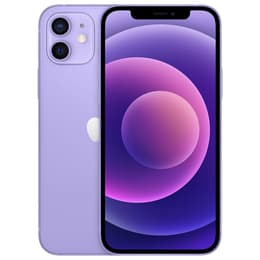
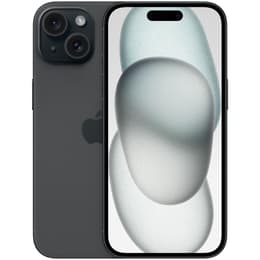
The iPhone 12, introduced in 2020, and the iPhone 15, released in 2023, represent two distinct eras in the development of Apple’s smartphone technology. While both devices share the same core operating system and a similar 6.1-inch physical footprint, they are separated by three years of hardware refinement and design shifts. The iPhone 15 introduces a modern interactive display element and a universal charging standard, whereas the iPhone 12 maintains the classic design language that defined the early 2020s.
This comparison examines the practical differences between these two generations to help users decide which model aligns with their daily requirements. Whether you are looking for the latest camera capabilities or a reliable device for standard communication, understanding these hardware generations is essential for making an informed choice.
Colour
Storage (GB)
The three-year gap between these models significantly influences their long-term software compatibility and physical resilience in a modern environment.
Year of Release
Compatible with latest Update
OS
Foldable
While both smartphones handle everyday applications with ease, the newer internal hardware in the iPhone 15 provides a more fluid experience for demanding tasks and multitasking.
Both devices feature high-quality OLED displays that offer deep blacks and vibrant colors, but the iPhone 15 introduces significant improvements in brightness and interface design.
Resolution
Screen type
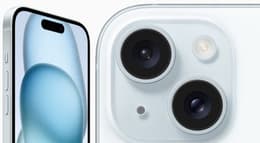
The camera system is one of the most significant areas of divergence, with the iPhone 15 moving toward a high-resolution primary sensor that offers more flexibility.
Main camera
Front camera
Beyond the core specifications, the physical ports and connectivity standards mark a major shift in how these devices interact with other hardware and accessories.
Weight
Screen size (in)
Mobile network
SIM card
Carrier compatibility
Connector
User consensus from various technology forums suggests that the iPhone 12 remains a highly capable and reliable smartphone for standard daily tasks such as messaging, social media, and web browsing. However, many long-term users note that the battery health and processing speed of the iPhone 12 are beginning to show their age in 2026. In contrast, the iPhone 15 is frequently praised for its transition to USB-C and the interactive display area, which users find adds a fresh and modern feel to the software experience. Some users mention that while the camera is a significant step up, the overall feel of the device remains familiar to those coming from older models.
Users who prioritize having the latest connectivity standards, a camera capable of high-detail photography, and a screen that is easy to read in bright sunlight will likely find the iPhone 15 to be the better fit for their needs. Those who prefer a familiar design and only require a device for standard daily communication may find the iPhone 12 perfectly adequate for their routine. For those looking to make a sustainable choice, a quality-assured refurbished option provides an eco-friendly alternative that extends the life of these devices. Ultimately, the decision rests on whether the newer display features and universal charging are essential for your daily lifestyle or if the reliable performance of a previous generation meets your current requirements.