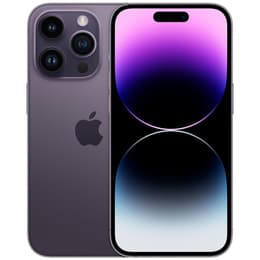

iPhone 12 Pro Max Vs iPhone 14 Pro

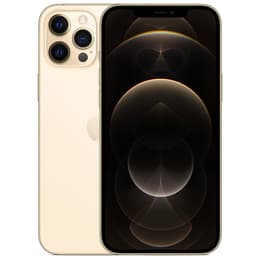
iPhone 12 Pro Max
iPhone 12 Pro Max
Starting at

£215.00

£979.00 new

See options
iPhone 14 Pro
iPhone 14 Pro
Starting at

£319.00

£1,099.00 new

See options

Ratings

The iPhone 12 Pro Max, released in 2020, and the iPhone 14 Pro, launched in 2022, represent two different approaches to Apple’s high-end smartphone category. While the 12 Pro Max focuses on providing an expansive viewing area and a significant physical presence, the 14 Pro introduces notable design shifts like the Dynamic Island and a more advanced screen refresh system. Both devices operate on the iOS platform, ensuring a consistent user experience across the ecosystem. However, the two-year age gap between them introduces important differences in long-term software compatibility, hardware efficiency, and overall system capabilities that users should consider before making a choice.

Scores

Durability

The iPhone 12 Pro Max and iPhone 14 Pro are both constructed with high-quality materials, but their respective release dates significantly impact their expected lifespan regarding software support and hardware relevance.

  • Software Longevity: The iPhone 14 Pro, being two years newer, is expected to receive iOS updates and security patches for a longer period than the 12 Pro Max. This makes it a more suitable choice for users who plan to keep their device for five years or more without losing access to the latest features.
  • Physical Build and Repair: Both models feature a stainless steel frame and Ceramic Shield front glass, providing high resistance to drops and scratches. While repairability for both is complex due to the integrated components, the 14 Pro benefits from slightly more refined internal layouts that can assist professional technicians during common maintenance tasks like battery replacements.

Year of Release

2020

2022

Compatible with latest Update

Yes

Yes

OS

iOS

iOS

Foldable

No

No

Performance

While both devices handle daily tasks with ease, the internal advancements in the iPhone 14 Pro offer a more fluid experience during intensive activities and better long-term efficiency.

  • System Responsiveness: The iPhone 14 Pro features a more efficient processor that handles demanding applications, such as high-resolution video editing or complex mobile games, with less heat generation. The iPhone 12 Pro Max remains highly capable for multitasking and standard app usage, though it may show slight pauses when launching the most modern, resource-heavy software.
  • Battery Efficiency: Despite the iPhone 12 Pro Max having a physically larger battery due to its size, the iPhone 14 Pro utilises more advanced power-management technology. This allows the smaller device to achieve comparable usage times during typical daily routines, such as browsing the web or streaming music, by optimising how much energy the screen and processor consume.

Memory

6 GB

6 GB

Screen quality

The viewing experience differs greatly between these two models, primarily due to the physical size of the panel and the technology used to display movement and notifications.

  • Display Fluidity: The iPhone 14 Pro includes a high refresh rate system that makes scrolling through menus and animations appear much smoother than on the iPhone 12 Pro Max. This technology also allows the 14 Pro to dim its screen to a very low power state for an always-on feature, showing the time and notifications without needing to wake the device.
  • Brightness and Clarity: For users who frequently use their phones outdoors, the iPhone 14 Pro offers a significantly higher peak brightness, making the screen easier to read under direct sunlight. The iPhone 12 Pro Max provides a much larger canvas for watching videos, which some users may prefer despite the lower peak brightness and standard refresh rate.

Resolution

1284 x 2778

1179 x 2556

Screen type

Super Retina XDR OLED

LTPO Super Retina XDR OLED

Audiovisual

Photography and video capabilities saw a notable shift between these generations, particularly in how the sensors capture detail and manage light in challenging conditions.

  • Image Detail: The iPhone 14 Pro introduces a much higher resolution main sensor, which allows for more detailed photos and the ability to crop into images without losing clarity. In contrast, the iPhone 12 Pro Max relies on a standard resolution system that performs well in balanced lighting but lacks the fine-texture capture found in the newer model.
  • Video and Low Light: The 14 Pro features improved stabilisation for video, making handheld footage look as though it was filmed with professional equipment. While the 12 Pro Max was a leader in low-light photography at its launch, the 14 Pro uses more advanced image processing to reduce grain and improve colour accuracy in dark environments.

Main camera

12 megapixels

48 megapixels

Front camera

12 megapixels

12 megapixels

Miscellaneous

Beyond the core specifications, the physical handling and connectivity features define the daily experience of using these two smartphones in different environments.

  • Dimensions and Ergonomics: The iPhone 12 Pro Max is a large, heavy device that often requires two-handed use, which may be a drawback for those with smaller hands or who prefer portability. The iPhone 14 Pro is more compact and easier to manage with one hand, though it is still relatively dense due to its premium build materials.
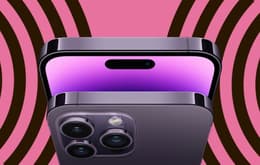
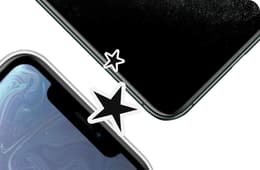
  • Interface and Connectivity: The 14 Pro replaces the traditional notch at the top of the screen with a functional Dynamic Island that changes shape to show alerts and background activity. Both devices use the Lightning port for charging and support 5G connectivity, ensuring they are compatible with modern high-speed mobile networks and a wide range of existing accessories.

Weight

226 g

206 g

Screen size (in)

6.7

6.1

Network

5G

5G

SIM card

Physical SIM + eSIM

Physical SIM + eSIM

Carrier compatibility

Unlocked

Unlocked

Connector

Lightning

Lightning

User feedback from various community forums suggests that the iPhone 12 Pro Max remains a favourite for those who value screen real estate above all else. Many users appreciate the expansive display for reading and media consumption, though some note that its size can be cumbersome in pockets. On the other hand, the iPhone 14 Pro receives praise for its smooth 120Hz display and the convenience of the Dynamic Island, which users find more modern and interactive. A common criticism of the 14 Pro is that the battery life, while good, can be drained quickly if the always-on display is used heavily without adjustment.

Users who prioritise a large viewing area for movies or documents and do not mind a heavier device will find the iPhone 12 Pro Max well-suited to their needs. Conversely, those who prefer a more manageable size, the latest screen technology, and a more powerful camera system will likely lean toward the iPhone 14 Pro. For those looking to make a sustainable choice, a quality-assured refurbished option of either model provides a way to access these high-end features while reducing environmental impact. Choosing a refurbished device is an eco-friendly alternative that ensures the hardware continues to serve a purpose rather than becoming waste. Ultimately, the decision rests on whether you value the sheer scale of the Max model or the refined, modern features of the more recent Pro version.