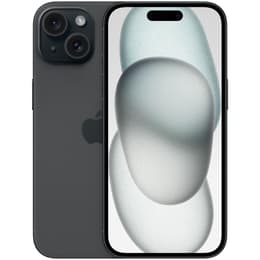

iPhone 14 Pro Vs iPhone 15

iPhone 14 Pro
iPhone 14 Pro
Starting at

Refurbished price:£319.00

Versus £1,099.00 new

See options
iPhone 15
iPhone 15
Starting at

Refurbished price:£323.00

Versus £699.00 new

See options

Ratings

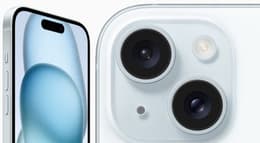
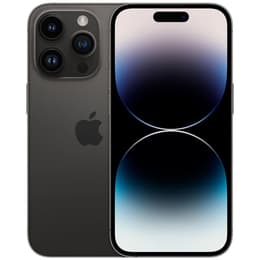
The iPhone 14 Pro, released in late 2022, and the iPhone 15, launched in 2023, represent two different approaches to the modern smartphone experience. While the iPhone 14 Pro was designed as a high-end flagship with advanced display and camera technologies, the iPhone 15 serves as the standard model that inherited several features previously reserved for the Pro line. Both devices run on the iOS platform, ensuring a consistent software experience with access to the same ecosystem of applications and services.

Choosing between these two models involves weighing the benefits of professional-grade hardware against the convenience of newer connectivity standards and a lighter design. The iPhone 14 Pro focuses on display fluidity and versatile photography, whereas the iPhone 15 prioritises everyday portability and modern charging compatibility. This comparison explores the practical differences to help you determine which device aligns with your specific daily requirements and usage habits.

Scores

Durability

When considering how long these devices will remain functional and relevant, the primary factors are their release dates and the materials used in their construction.

  • Software Longevity: The iPhone 15 was released one year after the iPhone 14 Pro, which typically suggests it may receive software updates for an additional year. However, because both devices utilise similar internal processing hardware, their total lifespan for operating system support is expected to be quite comparable, likely receiving updates well into the late 2020s.
  • Physical Build and Repairability: The iPhone 14 Pro features a stainless steel frame which provides significant structural rigidity, while the iPhone 15 uses a lighter aluminium frame. Notably, the iPhone 15 features an updated internal design that makes the back glass easier to replace if damaged. This design change reflects a shift towards better repairability for common accidents, potentially extending the practical life of the device for users who prefer to maintain their hardware over several years.

Year of Release

2022

2023

Compatible with latest Update

Yes

Yes

OS

iOS

iOS

Foldable

No

No

Performance

In terms of daily responsiveness and multitasking, both devices offer a high level of performance that handles demanding applications without hesitation.

  • System Responsiveness: Both models are equipped with internals that ensure smooth operation when switching between multiple apps, editing high-resolution photos, or playing graphically intensive games. Users will find that both devices feel snappy and reactive, with enough memory to keep background tasks active without frequent reloading. The iPhone 14 Pro offers higher storage capacities for those who need to keep large amounts of data locally, while the iPhone 15 provides standard options suitable for most users.
  • Battery Behaviour: In typical use cases, both smartphones are designed to last through a full day of standard activities like browsing, messaging, and streaming. The iPhone 14 Pro includes an always-on display feature which can be disabled to conserve power, whereas the iPhone 15 relies on a traditional screen timeout. Users who engage in heavy video recording or GPS navigation will find both devices require a nightly charge, though the efficiency of their internals helps maintain consistent performance even as the battery level decreases.

Memory

6 GB

6 GB

Screen quality

The display is where these two devices show some of their most distinct practical differences, particularly regarding how motion and brightness are handled.

  • Motion and Fluidity: The iPhone 14 Pro features advanced display technology that allows for a high refresh rate, resulting in much smoother scrolling and more fluid animations when navigating the interface or playing supported games. The iPhone 15 uses a standard refresh rate which is perfectly functional for reading and video playback but lacks the specific visual smoothness found on the Pro model.
  • Visibility and Features: Both screens are capable of reaching high brightness levels, making them easy to read even under direct sunlight. The iPhone 14 Pro includes an always-on display option, allowing users to glance at the time and notifications without touching the device. Both models feature the Dynamic Island, a functional area at the top of the screen that expands to show alerts and live activities, providing a modern and interactive way to manage notifications across both generations.

Resolution

1179 x 2556

1179 x 2556

Screen type

LTPO Super Retina XDR OLED

Super Retina XDR OLED

Audiovisual

Photography enthusiasts will notice that the iPhone 14 Pro offers more hardware versatility, while the iPhone 15 simplifies the experience with a powerful dual-lens system.

  • Lens Versatility and Zoom: The iPhone 14 Pro is equipped with three distinct lenses, including a dedicated telephoto lens for optical zoom. This allows users to capture clear photos of distant subjects without losing detail. The iPhone 15 has a dual-lens system but uses its high-resolution main sensor to provide a cropped zoom effect that mimics a dedicated lens for everyday snapshots. For those who frequently take portraits or wildlife photos, the Pro's extra lens provides a tangible advantage in framing.
  • Image Processing and Video: Both devices excel in low-light photography, producing clear images with natural colours in dim environments. They also share high-quality video capabilities, including stabilised recording that smooths out shaky hand movements. The iPhone 14 Pro includes additional settings for professional-style editing, while the iPhone 15 focuses on delivering excellent point-and-shoot results that are ready to share immediately without further adjustment.

Main camera

48 megapixels

48 megapixels

Front camera

12 megapixels

12 megapixels

Miscellaneous

Practical daily handling and connectivity are influenced by the physical dimensions and the type of charging port each device uses.

  • Connectivity and Ports: A significant difference is the port type; the iPhone 14 Pro uses the traditional Lightning connector, while the iPhone 15 has transitioned to the more universal USB-C port. This change means the iPhone 15 can often share the same charging cable as modern laptops, tablets, and other electronics. Both devices support 5G connectivity for fast mobile data and include safety features like satellite-based emergency assistance.
  • Weight and Ergonomics: The iPhone 14 Pro is noticeably heavier due to its stainless steel construction and more complex camera hardware. Users who prefer a device that feels substantial and sturdy may appreciate the Pro, while those who prioritise comfort during long periods of one-handed use will likely prefer the lighter aluminium build of the iPhone 15. The dimensions are nearly identical, meaning they occupy the same amount of space in a pocket or bag, but the weight difference is a key factor in daily comfort.

Weight

206 g

171 g

Screen size (in)

6.1

6.1

Network

5G

5G

SIM card

Physical SIM + eSIM

Physical SIM + eSIM

Carrier compatibility

Unlocked

Unlocked

Connector

Lightning

USB-C (USB 2)

In summary, the choice between the iPhone 14 Pro and the iPhone 15 depends largely on which specific features impact your daily routine. User consensus on community forums often highlights the iPhone 14 Pro for its exceptionally smooth display and the flexibility of its zoom lens, though some users find the weight of the stainless steel frame to be a drawback for long-term use. Conversely, the iPhone 15 receives praise for its lighter feel and the convenience of the USB-C port, which simplifies the charging experience for many. Some critics note that the lack of a high refresh rate on the iPhone 15 feels like a missed opportunity, but most agree it remains a highly capable device for the average user.

Users who prioritise photography, particularly zooming in on distant subjects, or those who want the smoothest possible visual experience for gaming and scrolling, will find the iPhone 14 Pro better suited to their needs. On the other hand, users who value a lightweight design, modern charging compatibility, and a device that is easier to handle throughout the day may lean toward the iPhone 15. Both smartphones are available as a quality-assured refurbished option, providing a sustainable choice for those looking to reduce their environmental impact while still obtaining a high-performance device. Ultimately, both models offer a reliable and modern experience, ensuring that your choice supports your personal priorities in mobile technology.
See all articles

Our recent comparisons