iPhone 11 Vs iPhone 8 Plus

iPhone 11
iPhone 11
Starting at

£113.00

£489.00 new

See options
iPhone 8 Plus
iPhone 8 Plus
Starting at

£92.00

£249.00 new

See options

Ratings

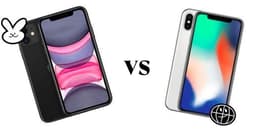
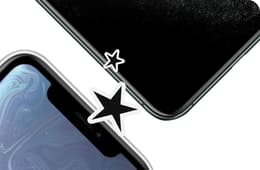
The iPhone 11, released in 2019, and the iPhone 8 Plus, from 2017, represent two distinct eras of smartphone design and functionality. While the iPhone 8 Plus retains the classic home button and a traditional widescreen aspect ratio, the iPhone 11 moved toward the modern all-screen aesthetic with gesture-based navigation. These devices cater to different user preferences, particularly regarding how they interact with their phone and the type of photography they prioritise. Both run on Apple's ecosystem, though their software compatibility varies significantly due to their age.

The primary differentiators between these two models lie in their biometric security methods and their camera configurations. The iPhone 11 offers a more immersive viewing experience and advanced low-light photography, whereas the iPhone 8 Plus provides a familiar physical interface and a dedicated lens for zoomed-in portraits. Understanding these practical differences is essential for users deciding which model fits their daily routine in 2026.

Scores

Durability

The age gap between these two models plays a significant role in their expected functional lifespan and ongoing software compatibility for modern applications.

  • Software Longevity: The iPhone 11 was released two years after the iPhone 8 Plus, meaning it generally receives newer operating system updates for a longer period. While the iPhone 8 Plus has reached the limit of major software version support, the iPhone 11 continues to receive updates that ensure compatibility with the latest apps and security features.
  • Build and Repair: Both phones feature a glass back to support wireless charging and an aluminium frame. In terms of physical resilience, the iPhone 11 offers improved water and dust resistance compared to the iPhone 8 Plus. Both models are well-supported by repair services, making it relatively straightforward to replace common components like batteries or screens.
  • Practical Lifespan: Users can expect the iPhone 11 to remain relevant for longer in a modern digital environment, as its internal hardware is better equipped to handle the increasing demands of updated applications over the next few years.

Year of Release

2019

2017

Compatible with latest Update

Yes

No

OS

iOS

iOS

Foldable

No

No

Performance

When comparing how these devices handle daily tasks, the generational leap in internal hardware becomes apparent in overall speed and system efficiency.

  • System Responsiveness: The iPhone 11 provides a noticeably smoother experience when switching between multiple apps or loading demanding mobile games. While the iPhone 8 Plus remains capable for basic tasks like messaging and browsing, it may show signs of slowing down when handling modern, resource-heavy applications.
  • Battery Efficiency: In real-world usage, the iPhone 11 is known for its ability to last through a full day of moderate to heavy use on a single charge. The iPhone 8 Plus, while having a large physical footprint, has a battery that typically requires more frequent charging, especially as the hardware works harder to run current software.
  • Multitasking Capabilities: With more memory dedicated to active tasks, the iPhone 11 keeps more apps open in the background without needing to refresh them. This makes it a more reliable choice for users who frequently jump between email, social media, and navigation tools.

Memory

4 GB

3 GB

Screen quality

The viewing experience differs greatly between these two models, not just in size but in how the display is integrated into the body of the phone.

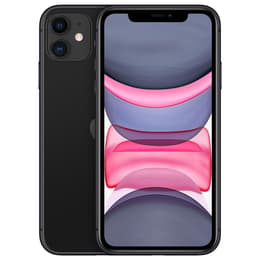
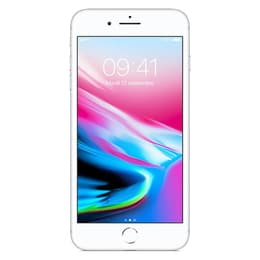
  • Display Design: The iPhone 8 Plus features a 5.5-inch display with significant borders at the top and bottom, maintaining a traditional 16:9 aspect ratio that many users find comfortable for watching older video content. The iPhone 11 uses a 6.1-inch all-screen design that covers almost the entire front of the device, providing a more immersive feel for modern apps and videos.
  • Visual Clarity: Although the iPhone 8 Plus actually has a higher pixel density, which can make text look very sharp, the iPhone 11 uses a more advanced LCD technology that offers better colour accuracy and higher brightness levels. This makes the iPhone 11 screen easier to read when used outdoors in direct sunlight.
  • Interaction Smoothness: Both screens offer a standard refresh rate, but the touch-sensing technology on the iPhone 11 is more responsive, leading to a feeling of more immediate interaction when scrolling through long documents or web pages.

Resolution

828 x 1792

1080 x 1920

Screen type

Liquid Retina IPS LCD

Retina IPS LCD

Audiovisual

Photography and media consumption are areas where these two devices diverge in their functional focus and technical capabilities.

  • Camera Versatility: The iPhone 8 Plus includes a dedicated telephoto lens, which is helpful for zooming in on distant subjects and taking traditional portraits. In contrast, the iPhone 11 features an ultra-wide lens, allowing users to capture much broader scenes, such as landscapes or large group photos, which is often more practical for everyday snapshots.
  • Low-Light Performance: A major differentiator is the inclusion of a dedicated night mode on the iPhone 11. This allows for clear, detailed photos in dark environments where the iPhone 8 Plus often struggles with graininess or loss of detail.
  • Video and Audio: The iPhone 11 offers improved video stabilisation and the ability to record with extended dynamic range, resulting in more professional-looking clips. Its speakers also provide a wider stereo soundstage, making it a more capable device for watching films or listening to music without headphones.

Main camera

12 megapixels

12 megapixels

Front camera

12 megapixels

7 megapixels

Miscellaneous

Beyond the core specifications, the physical handling and security features define the daily user experience for both of these smartphones.

  • Biometric Security: The iPhone 8 Plus uses a fingerprint sensor built into the home button, a method many users still find fast and reliable. The iPhone 11 replaced this with facial recognition technology, which allows for secure unlocking and authentication just by looking at the device, facilitating a button-free front design.
  • Physical Dimensions: Despite having a larger screen, the iPhone 11 is actually narrower and shorter than the iPhone 8 Plus, making it slightly easier to use with one hand. However, the iPhone 8 Plus is thinner, which some users prefer for pocketability.
  • Connectivity and Ports: Both devices use a similar port for charging and data transfer and lack a traditional headphone jack. They both support 4G networks, though the iPhone 11 includes more modern Wi-Fi and Bluetooth standards, ensuring more stable connections to wireless accessories and home networks.

Weight

194 g

202 g

Screen size (in)

6.1

5.5

Network

4G

4G

SIM card

Physical SIM + eSIM

Physical SIM

Carrier compatibility

Unlocked

Unlocked

Connector

Lightning

Lightning

User consensus on community forums suggests that the iPhone 8 Plus is still respected for its reliability and the familiarity of the home button. Many long-term users praise its sturdy build and the consistency of the fingerprint sensor. However, common criticisms focus on its aging design and the fact that it no longer receives the latest software features. The iPhone 11 is frequently recommended as a robust workhorse phone, with users highlighting its impressive battery life and the quality of its ultra-wide camera as standout features. Some users do note that the screen resolution is lower than they expected for its size, but most find the overall performance trade-off to be positive.

Users who prefer a traditional interface and a physical home button may find the iPhone 8 Plus suits their needs perfectly. Those who prioritise modern features, such as facial recognition, superior low-light photography, and longer software support, will likely find the iPhone 11 to be the more appropriate choice. Choosing a quality-assured refurbished option for either of these models is an eco-friendly alternative that helps reduce electronic waste while providing a reliable device. Ultimately, the decision rests on whether you value the classic design of the 8 Plus or the modern capabilities and longevity of the 11. As a sustainable choice, both devices continue to offer functional value for different types of smartphone users.
See all articles

Our recent comparisons