
Galaxy Note20 Ultra Vs Galaxy S20 Ultra

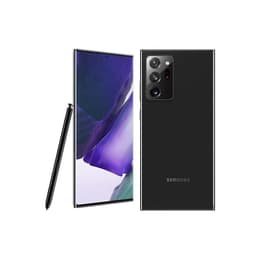
Galaxy Note20 Ultra
Galaxy Note20 Ultra
Starting at

Refurbished price:£330.00

Versus £427.74 new

See options
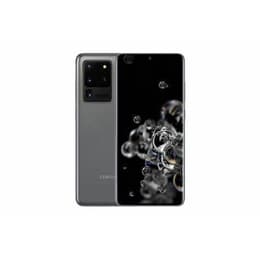
Galaxy S20 Ultra
Galaxy S20 Ultra
Starting at

Refurbished price:£271.00

Versus £1,199.00 new

See options

Ratings

The Samsung Galaxy Note20 Ultra and the Samsung Galaxy S20 Ultra represent two of the most significant releases in the 2020 smartphone market. While both devices belong to the same generation of technology, they cater to slightly different user preferences through their distinct design philosophies and functional priorities. The Note20 Ultra, released in August 2020, is defined by its integrated stylus and refined camera system, whereas the S20 Ultra, launched in February 2020, focuses on providing a massive battery and high-magnification zoom capabilities.

Both smartphones operate on the Android platform, ensuring a consistent software experience with access to a vast library of applications. Despite their age, these devices continue to offer a high-end experience for users who appreciate large displays and versatile camera setups. This comparison explores the practical differences between these two models to help you decide which one aligns best with your daily habits and professional requirements.

Scores

Durability

Both the Galaxy Note20 Ultra and the Galaxy S20 Ultra were released in 2020, meaning they share a similar timeline regarding software support and long-term durability.

  • Software Support: Both devices have completed their primary cycle of major operating system updates, though they may still receive occasional security maintenance to ensure the device remains safe for daily use.
  • Build Quality: These models feature a robust construction of glass and metal, though their large physical footprints make them more susceptible to impact damage if dropped without protection.
  • Repairability: Because these were popular flagship models, replacement parts like screens and batteries are widely available through professional repair services, extending their practical lifespan.
  • Sustainable Longevity: Choosing an eco-friendly alternative like a quality-assured refurbished model ensures that the device has been inspected for performance, providing a reliable experience for several more years.

Year of Release

2020

2020

Compatible with latest Update

No

No

OS

Android

Android

Foldable

No

No

Performance

In terms of daily operation, both smartphones provide a responsive experience that handles modern applications and multitasking with ease, though they differ in battery management.

  • System Responsiveness: Both devices are equipped with high-capacity memory that allows users to switch between demanding apps, such as video editors or complex spreadsheets, without experiencing significant lag or slowdowns.
  • Battery Endurance: The S20 Ultra features a larger internal battery capacity, which generally provides more headroom for heavy users who need their device to last through a full day of intensive media consumption or navigation.
  • Storage Options: Users can find both models with generous internal storage capacities, and both retain the ability to expand this space using external memory cards, which is a feature often missing from newer smartphone generations.

Memory

12 GB

12 GB

Screen quality

The displays on these two devices are among the largest available, using advanced light-emitting technology to deliver a high-quality visual experience for movies and reading.

  • Display Technology: Both phones use screens that produce deep blacks and vibrant colours; however, the Note20 Ultra features an adaptive system that automatically adjusts the screen's movement speed to save power when high speeds are not required.
  • Visual Clarity: Each model offers a high-resolution viewing experience that makes text appear sharp and images look detailed, though the S20 Ultra has more rounded corners compared to the Note's more rectangular, boxy aesthetic.
  • Outdoor Use: These screens are designed to reach high brightness levels, ensuring that the display remains clearly visible even when you are using the phone outside on a bright, sunny day.

Resolution

1440 x 3088

1440 x 3200

Screen type

Dynamic AMOLED 2X

Dynamic AMOLED 2X

Audiovisual

While both phones share a high-resolution main sensor, the Note20 Ultra introduced hardware refinements to improve the overall photography experience compared to the earlier S20 Ultra.

  • Focusing Performance: The Note20 Ultra includes a dedicated laser sensor that helps the camera lock onto subjects almost instantly, addressing the slower focusing speeds that some users experienced with the S20 Ultra's initial release.
  • Zoom Capabilities: The S20 Ultra offers a higher maximum magnification for distant subjects, while the Note20 Ultra provides a more modest but often clearer zoom range that is well-suited for everyday photography.
  • Video and Audio: Both devices are capable of recording very high-definition video and feature multiple microphones that work together to capture clear sound while filtering out distracting background noise during recordings.

Main camera

108 megapixels

108 megapixels

Front camera

10 megapixels

40 megapixels

Miscellaneous

The most significant physical difference between these two smartphones lies in their input methods and overall handling characteristics.

  • Integrated Stylus: The Note20 Ultra features a built-in S Pen, which allows for handwritten notes, precise photo editing, and remote control of the camera, a tool that is completely absent from the S20 Ultra.
  • Connectivity: Both models support modern high-speed mobile networks and include features like fast wireless charging and secure biometric sensors located under the display glass for quick access.
  • Physical Design: The S20 Ultra is slightly thicker and heavier, giving it a substantial feel in the hand, whereas the Note20 Ultra is slightly thinner with a more angular design that many professional users prefer for its distinct look.

Weight

208 g

222 g

Screen size (in)

6.9

6.9

Network

4G

4G

SIM card

Physical SIM + eSIM

Dual Physical SIM

Carrier compatibility

Unlocked

Unlocked

Connector

USB-C

USB-C

When looking at user feedback from various technology forums and community discussions, a clear picture emerges for both devices. The Galaxy S20 Ultra is frequently praised for its exceptional battery life and its ambitious zoom lens, which remains a talking point for photography enthusiasts. However, some users have noted that the camera can occasionally struggle with focusing on very close subjects. On the other hand, the Galaxy Note20 Ultra receives consistent praise for its refined design and the sheer utility of the S Pen. Many users find the stylus indispensable for signing documents or taking quick notes during meetings, though some observe that its battery life is slightly shorter than that of the S20 Ultra under heavy workloads.

Users who prioritise creative tasks, frequent note-taking, or a more reliable autofocus system for their photography will likely find the Note20 Ultra to be the more suitable choice. Conversely, those who value maximum battery endurance and want the highest possible zoom magnification for capturing distant details may lean toward the S20 Ultra. Opting for a sustainable choice like a quality-assured refurbished device allows you to enjoy these high-end features while contributing to a more circular economy. Ultimately, both smartphones remain powerful and capable tools for anyone seeking a large-screen experience with a versatile set of features.

See all articles

Our recent comparisons