iPhone 16 Pro Vs iPhone 16e

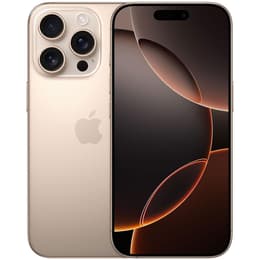
iPhone 16 Pro
iPhone 16 Pro
Starting at

Refurbished price:£564.00

Versus £999.00 new

See options
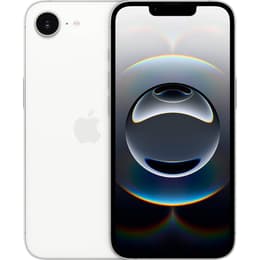
iPhone 16e
iPhone 16e
Starting at

Refurbished price:£359.00

Versus £599.00 new

See options

Ratings

The iPhone 16 Pro, released in September 2024, and the iPhone 16E, introduced in February 2025, represent distinct offerings within Apple's smartphone lineup. While both devices operate on the same core iOS platform and support Apple Intelligence features, they cater to different user priorities through variations in their display technology, camera systems, and overall performance capabilities. The iPhone 16 Pro emphasizes advanced features and a premium build, whereas the iPhone 16E focuses on delivering essential functionality with extended battery performance.

Scores

Durability

When considering the longevity of these devices, both the iPhone 16 Pro and iPhone 16E offer substantial software support and robust construction, though their release timelines differ. The iPhone 16 Pro was introduced in September 2024, while the iPhone 16E followed in February 2025. This difference means the iPhone 16E will likely receive software updates for a slightly longer period, extending its practical lifespan by several months to a year compared to the 16 Pro.

  • Software Updates: Both models launched with iOS 18 and are compatible with iOS 26, indicating a consistent commitment to long-term software support. The iPhone 16E, being newer, is expected to receive updates for a slightly extended duration.
  • Durability Features: Both devices feature Ceramic Shield front covers and are rated IP68 for water and dust resistance, offering similar protection against everyday elements. The iPhone 16 Pro utilizes a titanium frame, while the iPhone 16E features an aluminum frame, both contributing to a durable build.
  • Expected Lifespan: Users can anticipate several years of reliable performance and software compatibility from either model, with the iPhone 16E potentially offering a marginal advantage in terms of future-proofing due to its later release.

Year of Release

2024

2025

Foldable

No

No

Performance

The performance capabilities of the iPhone 16 Pro and iPhone 16E are tailored to different user demands, primarily influenced by their internal components and display characteristics. Both devices are powered by current-generation processors, ensuring smooth operation for most applications and tasks.

  • Processing Power: The iPhone 16 Pro features a more advanced processor with a 6-core GPU, providing enhanced graphics performance for demanding applications, intensive gaming, and complex computational tasks. The iPhone 16E, while still powerful, includes a processor with a 4-core GPU, which capably handles everyday apps and multitasking.
  • System Responsiveness: Both models offer fluid navigation and quick app loading times. However, the iPhone 16 Pro's more capable processor and higher RAM (8GB, similar to the 16E) contribute to a slightly more responsive experience during heavy multitasking or when running resource-intensive software.
  • Battery Behavior: The iPhone 16 Pro offers up to 27 hours of offline video playback, while the iPhone 16E provides up to 26 hours. User reports suggest the iPhone 16E often delivers exceptional real-world battery life, sometimes lasting up to two days with heavy use, potentially due to its 60Hz display and less power-hungry GPU.

Memory (GB)

8 GB

8 GB

Screen quality

The visual experience on the iPhone 16 Pro and iPhone 16E differs in several key aspects, primarily concerning display technology and features that impact clarity and smoothness.

  • Display Technology: Both devices feature Super Retina XDR OLED displays, offering deep blacks, high contrast, and vibrant colors. The iPhone 16 Pro's display is slightly larger at 6.3 inches compared to the iPhone 16E's 6.1 inches.
  • Refresh Rate and Brightness: The iPhone 16 Pro incorporates ProMotion technology, allowing for an adaptive refresh rate up to 120Hz, which results in smoother scrolling and more fluid animations. It also boasts higher peak brightness at 2000 nits for HDR content and 1000 nits typical brightness. The iPhone 16E has a standard 60Hz refresh rate and offers 1200 nits peak HDR brightness with 800 nits typical brightness.
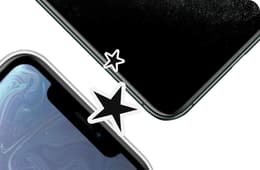
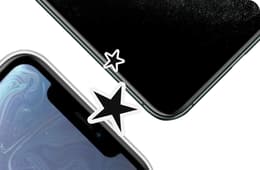
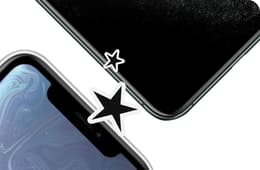
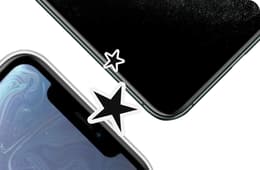
  • Design Elements: The iPhone 16 Pro features a Dynamic Island at the top of its display, integrating notifications and activities seamlessly. The iPhone 16E retains a traditional notch design, similar to previous iPhone models.

Resolution

1206 x 2622

2532x1170

Audiovisual

The camera systems on the iPhone 16 Pro and iPhone 16E present a significant distinction, with the Pro model offering a more versatile and advanced setup for photography and videography enthusiasts.

  • Rear Camera System: The iPhone 16 Pro features a triple-camera system, including a 48MP main wide lens, a 48MP ultra-wide lens, and a 12MP 5x telephoto lens, providing extensive focal length options and enhanced low-light performance. The iPhone 16E is equipped with a single 48MP Fusion main camera that can achieve 2x optical-quality zoom through sensor cropping, but it lacks dedicated ultra-wide and telephoto lenses.
  • Photography Features: Both devices support features like Smart HDR 5, Photonic Engine, Deep Fusion, Night Mode, and Portrait Mode. However, the iPhone 16 Pro offers more advanced Portrait Mode capabilities, including the ability to change the focus point after capture, and a dedicated Camera Control button for quick access to camera functions. The iPhone 16E's Portrait Mode is primarily optimized for human faces and lacks some of the Pro model's advanced video features like Cinematic Mode and Action Mode.
  • Video Recording: The iPhone 16 Pro supports 4K video recording at up to 120 frames per second, offering more flexibility for slow-motion and high-fidelity capture. The iPhone 16E records 4K video at up to 60 frames per second.

Front camera

12 megapixels

TrueDepth 12MP

Miscellaneous

Beyond the core performance and display, several other practical elements differentiate the iPhone 16 Pro and iPhone 16E, impacting daily usability and overall experience.

  • Connectivity and Ports: Both models support 5G cellular connectivity and feature a USB-C port for charging and data transfer. The iPhone 16 Pro supports the newer Wi-Fi 7 standard, while the iPhone 16E uses Wi-Fi 6. Both include Bluetooth 5.3.
  • Physical Design and Handling: The iPhone 16 Pro is constructed with a titanium frame, contributing to a premium feel and potentially greater durability, while the iPhone 16E uses an aluminum frame. Both devices include an Action Button, which can be customized for quick access to various functions. The iPhone 16 Pro is slightly heavier at 199 grams compared to the iPhone 16E's 167 grams.
  • Security and Sensors: Both the iPhone 16 Pro and iPhone 16E utilize Face ID for secure facial recognition and authentication. The iPhone 16 Pro also includes a LiDAR scanner, which enhances augmented reality experiences and improves autofocus in low-light conditions.

Weight

199 g

167 g

Screen size (in)

6.3

6.1

Mobile network

5G

5G

SIM card

Physical SIM + eSIM

eSIM

Carrier compatibility

Unlocked

Unlocked

Connector

USB-C (USB 3)

USB-C

The iPhone 16 Pro and iPhone 16E cater to distinct user needs, with each device excelling in different areas. User feedback often praises the iPhone 16 Pro for its advanced camera capabilities, particularly the versatility offered by its triple-lens system and the smooth visual experience provided by its ProMotion display. Some users, however, note that its battery life, while improved, may still require daily charging for heavy use.

Conversely, the iPhone 16E receives commendation for its impressive battery longevity, often exceeding a full day of heavy use, making it a strong contender for users prioritizing endurance. Its single main camera is generally well-regarded for everyday photos, though some users express a desire for the additional lenses found on the Pro models. The 16E's 60Hz display and traditional notch are noted as trade-offs for its extended battery performance and more accessible positioning.

Users prioritizing a comprehensive camera system, a fluid high-refresh-rate display, and the latest in processing power for demanding tasks will find the iPhone 16 Pro well-suited to their needs. For those who value exceptional battery life, a capable main camera for general photography, and a robust core experience, the iPhone 16E presents a compelling option. Both devices offer a quality-assured refurbished alternative, providing an eco-friendly choice for consumers.

See all articles

Our recent comparisons