iPhone 14 Pro Vs Sony Xperia 1 IV

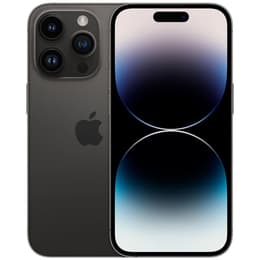
iPhone 14 Pro
iPhone 14 Pro
Starting at

Refurbished price:£304.00

Versus £1,099.00 new

See options
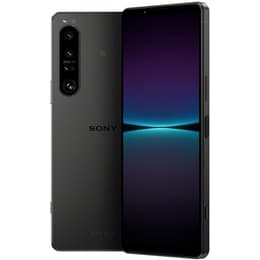
Sony Xperia 1 IV
Sony Xperia 1 IV
Starting at

Refurbished price:£346.00

Versus £1,500.00 new

See options

Ratings

The iPhone 14 Pro and Sony Xperia 1 IV, both released in 2022, represent the flagship models of their respective manufacturers' smartphone lines. While the iPhone 14 Pro offers a refined experience within the Apple ecosystem, the Sony Xperia 1 IV caters to a niche audience of multimedia enthusiasts and professional photographers. The iPhone runs on iOS, known for its simplicity and long-term support, whereas the Sony utilises a clean version of Android, offering more flexibility in file management and customisation.

Scores

Durability

The iPhone 14 Pro and Sony Xperia 1 IV offer different paths regarding long-term ownership and software reliability.

  • Software Longevity: The iPhone 14 Pro typically receives operating system updates for six years or more, ensuring the device remains secure and compatible with new apps for a significant period. In contrast, the Sony Xperia 1 IV generally sees a shorter window of major software updates, which may impact its long-term utility for those who keep phones for many years.
  • Physical Resilience: Both devices feature high-grade glass and metal constructions with IP68 ratings for dust and water resistance, meaning they can withstand immersion in shallow water for short periods. The iPhone uses a specialised ceramic-hardened glass for the front, while the Sony employs durable glass panels designed to resist scratches and minor impacts during daily use.
  • Repairability: Choosing a quality-assured refurbished option for either model can extend the life of these electronics, though the iPhone generally has a more widespread network of repair providers and available components compared to the more specialised Sony hardware.

Year of Release

2022

2022

Compatible with latest Update

Yes

No

OS

iOS

Android

Foldable

No

No

Performance

Both smartphones handle demanding tasks with ease, though they approach power management and storage in distinct ways.

  • System Responsiveness: The iPhone 14 Pro is recognised for its fluid animations and immediate response when switching between heavy applications or editing high-resolution video. The Sony Xperia 1 IV provides a similarly fast experience, particularly for users who multitask frequently or use professional-grade creative software, thanks to its high-end mobile processor.
  • Storage and Memory: While the iPhone offers fixed internal storage options, the Sony Xperia 1 IV includes a microSD card slot, allowing users to expand their storage capacity significantly for large media libraries. This makes the Sony a practical choice for those who record a lot of 4K video or store high-fidelity music locally.
  • Battery Efficiency: In everyday use, the iPhone 14 Pro manages power efficiently, often lasting through a full day of mixed activity. The Sony Xperia 1 IV features a large battery, but its high-resolution display can lead to more frequent charging sessions for users who consume a lot of media at maximum settings.

Memory (GB)

6 GB

12 GB

Screen quality

The viewing experience differs greatly between these two devices due to their unique aspect ratios and display technologies.

  • Display Technology: The iPhone 14 Pro uses a bright OLED panel that adjusts its refresh rate automatically to save power while providing smooth scrolling. The Sony Xperia 1 IV features a 4K OLED display with a 21:9 aspect ratio, which is ideal for watching movies without black bars and provides a taller canvas for scrolling through social media feeds.
  • Outdoor Visibility: The iPhone 14 Pro reaches very high brightness levels, making it easy to read even under direct sunlight. While the Sony display is clear and colour-accurate, it may require more careful positioning in bright outdoor environments compared to the iPhone's peak output.
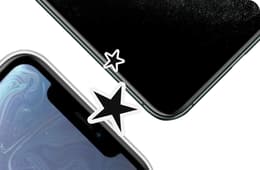
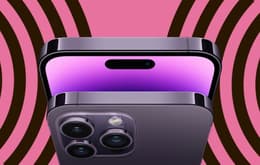
  • Visual Features: The iPhone introduces a pill-shaped cutout that integrates with the software for notifications, whereas the Sony maintains a traditional bezel at the top and bottom, providing an uninterrupted full-screen view without any notches or holes.

Resolution

1179 x 2556

1644 x 3840

Screen type

LTPO Super Retina XDR OLED

OLED

Audiovisual

Photography and videography are central to both devices, but they target different types of creators.

  • Image Processing: The iPhone 14 Pro focuses on computational photography, delivering consistent, well-balanced photos with a single tap. Its main sensor captures high levels of detail, and its video stabilisation is widely regarded as a standard for mobile filmmaking.
  • Optical Versatility: The Sony Xperia 1 IV stands out with its unique continuous optical zoom lens, allowing for smooth transitions between focal lengths without digital cropping. This provides a more traditional camera feel, especially when paired with the dedicated physical shutter button on the side of the device.
  • Manual Controls: Sony provides extensive manual settings through its dedicated apps, mimicking the interface of professional cameras. Users who prefer to adjust shutter speed and ISO manually will find the Sony more capable, while those who want the phone to do the work will likely prefer the iPhone's automated excellence.

Main camera

48 megapixels

12 megapixels

Front camera

12 megapixels

12 megapixels

Miscellaneous

Beyond the core specs, the physical design and connectivity options define the daily handling of these smartphones.

  • Connectivity and Ports: The Sony Xperia 1 IV retains a 3.5mm headphone jack, a rarity in modern flagships, which is a major benefit for audiophiles using wired headphones. It also uses a standard USB-C port for charging and data. The iPhone 14 Pro uses a Lightning port and relies on wireless or adapter-based audio solutions.
  • Biometrics and Security: The iPhone 14 Pro uses facial recognition technology for secure unlocking and payments, which works effectively in most lighting conditions. The Sony Xperia 1 IV uses a fingerprint sensor integrated into the power button, offering a quick and tactile way to access the device.
  • Form Factor: The Sony is notably narrower and taller, making it easier to grip with one hand despite its large screen. The iPhone is wider and heavier, giving it a substantial feel that some users find more stable, though it may be less comfortable for those with smaller hands.

Weight

206 g

185 g

Screen size (in)

6.1

6,5

Mobile network

5G

5G

SIM card

Physical SIM + eSIM

Physical SIM + eSIM

Carrier compatibility

Unlocked

Unlocked

Connector

Lightning

USB-C + Jack 3.5mm

User feedback for the iPhone 14 Pro often highlights its high-quality video performance and the convenience of the Dynamic Island for multitasking. However, some users find the device's weight to be a drawback during long periods of use. On the other hand, the Sony Xperia 1 IV is praised by enthusiasts for its comprehensive approach to hardware, specifically the inclusion of the headphone jack and expandable storage. A common criticism of the Sony model involves its tendency to become warm during intensive tasks like extended 4K video recording.

Users who prioritise a seamless software experience, long-term update support, and industry-standard video recording will likely find the iPhone 14 Pro to be the better fit. Conversely, those who value professional manual camera controls, a cinematic display for movie watching, and the flexibility of wired audio and expandable storage may lean toward the Sony Xperia 1 IV. Both devices are available as sustainable choices through eco-friendly, quality-assured refurbished options, allowing consumers to access high-end technology while reducing environmental impact. Ultimately, the choice depends on whether one prefers Apple's polished, automated ecosystem or Sony's versatile, enthusiast-focused hardware.
See all articles

Our recent comparisons