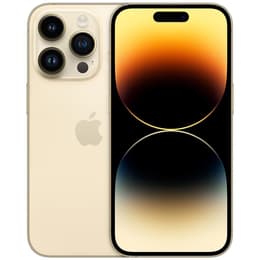
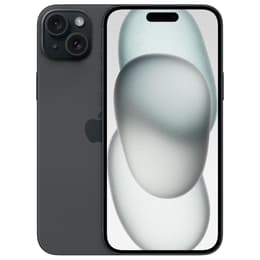

iPhone 14 Pro Vs iPhone 15 Plus

iPhone 14 Pro
iPhone 14 Pro
Starting at

Refurbished price:£304.00

Versus £1,099.00 new

See options
iPhone 15 Plus
iPhone 15 Plus
Starting at

Refurbished price:£344.00

Versus £799.00 new

See options

Ratings

The iPhone 14 Pro, released in late 2022, and the iPhone 15 Plus, launched in 2023, represent two distinct approaches to the modern smartphone experience. While the iPhone 14 Pro focuses on advanced photography and high-end display technology in a compact frame, the iPhone 15 Plus prioritises screen real estate and battery longevity. Both devices run on the same iOS ecosystem, ensuring a consistent software experience with access to the latest features, security updates, and a vast library of applications. Choosing between them involves weighing the benefits of a more sophisticated camera system against the practical advantages of a larger display and a newer charging standard.

Scores

Durability

When evaluating the longevity of these two devices, the primary considerations are their release dates and the structural changes introduced in the newer generation.

  • Software Support Timeline: As the iPhone 15 Plus was released one year after the iPhone 14 Pro, it is expected to receive official software updates for an additional year. Typically, these devices receive support for six to seven years, meaning the 15 Plus will likely remain current until approximately 2030, while the 14 Pro may reach its final update in 2029.
  • Repairability and Construction: The iPhone 15 Plus features an updated internal design that allows the back glass to be replaced more easily than on previous models. While the iPhone 14 Pro uses a sturdy stainless steel frame, its internal layout is more traditional, which can make certain repairs more complex. Choosing a quality-assured refurbished option can extend the lifecycle of these durable materials while ensuring the device functions as intended.
  • Long-term Reliability: Both models are built with high-quality materials designed to withstand daily wear. However, the newer internal architecture of the 15 Plus is specifically designed to manage heat more effectively during intensive tasks, which can contribute to the overall health of internal components over several years of use.

Year of Release

2022

2023

Compatible with latest Update

Yes

Yes

OS

iOS

iOS

Foldable

No

No

Performance

Both smartphones offer a highly responsive experience, capable of handling demanding tasks like high-definition video editing and multitasking between several resource-heavy applications without hesitation.

  • System Responsiveness: The internal hardware in both devices ensures that apps launch quickly and the interface remains fluid. Users will find that even with multiple browser tabs and background processes running, neither device shows signs of slowing down. This level of performance headroom ensures that both models will feel fast for several years to come.
  • Battery Endurance: The iPhone 15 Plus is designed with a larger physical footprint, allowing for a higher-capacity battery. In real-world usage, this translates to significantly longer runtimes, often lasting well into a second day for moderate users. The iPhone 14 Pro, while efficient, requires more frequent charging, especially when using its advanced display features.
  • Multitasking Capabilities: Both devices are equipped with sufficient memory to keep frequently used apps ready in the background. This means you can switch from a navigation app to a camera and back again without the software needing to reload the initial application, providing a seamless workflow for professional or personal use.

Memory (GB)

6 GB

6 GB

Screen quality

The display is where these two models diverge most significantly, offering different benefits depending on whether a user values size or visual smoothness.

  • Display Technology and Fluidity: The iPhone 14 Pro features an adaptive refresh rate, which means the screen can update up to 120 times per second. This results in exceptionally smooth scrolling and animations. In contrast, the iPhone 15 Plus uses a standard refresh rate, which is reliable and clear but lacks the fluid motion found on the Pro model.
  • Viewing Area and Brightness: The iPhone 15 Plus offers a much larger 6.7-inch screen, making it well-suited for watching videos or reading long documents. Both devices feature high peak brightness, ensuring the screens remain legible even under direct sunlight, though the 14 Pro includes an always-on feature that allows the time and notifications to remain visible at all times.
  • Clarity and Detail: Both models utilise OLED technology, which provides deep blacks and vibrant colours. The resolution on both is high enough that individual pixels are indistinguishable to the human eye at normal viewing distances, ensuring that text looks sharp and images appear lifelike regardless of which model is chosen.

Resolution

1179 x 2556

1290 x 2796

Screen type

LTPO Super Retina XDR OLED

Super Retina XDR OLED

Audiovisual

While both devices produce high-quality images suitable for printing or social media, the iPhone 14 Pro offers a more versatile toolset for photography enthusiasts.

  • Lens Versatility: The iPhone 14 Pro includes a dedicated telephoto lens, allowing for 3x optical zoom. This is particularly useful for portraits or capturing distant subjects without losing detail. The iPhone 15 Plus relies on a dual-lens system, using software cropping to achieve a similar effect, which is effective but lacks the dedicated hardware of the Pro.
  • Main Sensor Performance: Both smartphones feature a 48-megapixel main sensor that captures a high level of detail in various lighting conditions. In low-light environments, both devices use advanced processing to reduce grain and maintain natural colours, though the 14 Pro has additional sensors that help with faster focusing in the dark.
  • Video and Audio Capture: Video recording is a strength for both, with stable footage and clear audio. The 14 Pro offers additional professional-grade recording formats that provide more flexibility for those who enjoy editing their videos extensively. For everyday video calls and casual filming, both devices provide clear microphones and balanced stereo sound.

Main camera

48 megapixels

48 megapixels

Front camera

12 megapixels

12 megapixels

Miscellaneous

Practical daily use is influenced by the physical design and connectivity options of each device, with the charging port being a major differentiator.

  • Connectivity and Ports: The iPhone 15 Plus adopts the universal USB-C standard, allowing users to use the same cable for their phone, laptop, and other modern electronics. The iPhone 14 Pro uses the traditional Lightning port. Both support 5G connectivity for fast mobile data and include modern Wi-Fi and Bluetooth standards for stable wireless connections.
  • Weight and Handling: Despite its smaller size, the iPhone 14 Pro is relatively heavy due to its stainless steel construction, giving it a dense, substantial feel. The iPhone 15 Plus is larger but uses lightweight aluminium, making it surprisingly easy to hold for long periods despite the increased screen size.
  • Security and Sensors: Both models utilise secure facial recognition for unlocking the device and authorising payments. They also include safety features like crash detection and emergency satellite connectivity, providing peace of mind for users who travel frequently or spend time in remote areas.

Weight

206 g

201 g

Screen size (in)

6.1

6.7

Mobile network

5G

5G

SIM card

Physical SIM + eSIM

Physical SIM + eSIM

Carrier compatibility

Unlocked

Unlocked

Connector

Lightning

USB-C

In summary, the choice between the iPhone 14 Pro and the iPhone 15 Plus depends largely on individual priorities. User feedback on forums often highlights the iPhone 14 Pro for its smooth 120Hz display and the versatility of its triple-camera system, making it a favourite for those who want a high-performance device in a more pocketable size. Conversely, the iPhone 15 Plus receives significant praise for its exceptional battery life and the convenience of its USB-C port, with many users noting that the larger screen makes it a superior choice for media consumption and long workdays.

Users who prioritise photography, advanced display features, and a more compact, heavy-duty build will likely find the iPhone 14 Pro aligns best with their needs. Those who value a large viewing area, the longest possible battery endurance, and the latest charging standards may lean toward the iPhone 15 Plus. Opting for a sustainable choice through refurbishment allows users to access these high-quality features while reducing electronic waste. Both devices are excellent examples of modern engineering, offering reliable performance and long-term software support for any user seeking a dependable smartphone experience.

See all articles

Our recent comparisons