
iPhone 14 Plus Vs iPhone 15 Pro

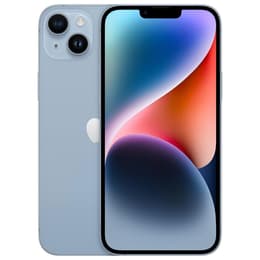
iPhone 14 Plus
iPhone 14 Plus
Starting at

Refurbished price:£242.00

Versus £699.00 new

See options
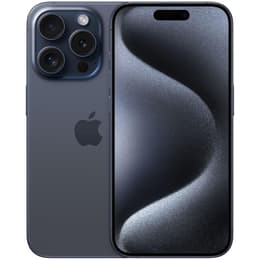
iPhone 15 Pro
iPhone 15 Pro
Starting at

Refurbished price:£399.00

Versus £999.00 new

See options

Ratings

The iPhone 14 Plus, released in October 2022, and the iPhone 15 Pro, launched in September 2023, represent different tiers within Apple's smartphone lineup. While both operate on Apple's iOS ecosystem, the iPhone 15 Pro introduces a more advanced processor, a versatile camera system, and a refined design, distinguishing it from the larger, yet more straightforward, iPhone 14 Plus. Both devices offer a familiar user experience through the consistent iOS platform.

Scores

Durability

When considering the longevity of these devices, several factors come into play, including their release timelines, software support, and physical resilience.

  • Release Timeline: The iPhone 14 Plus was released in October 2022, making it approximately a year older than the iPhone 15 Pro, which debuted in September 2023. This difference in launch date directly impacts their expected software support lifespan.
  • Software Longevity: Both devices receive regular iOS updates, ensuring access to new features and security enhancements. The iPhone 15 Pro, being newer, is anticipated to receive major software updates for a longer period, potentially extending its practical usability by an additional year or more compared to the iPhone 14 Plus. The iPhone 15 Pro launched with iOS 17 and is compatible with iOS 18 and iOS 26, while the iPhone 14 Plus launched with iOS 16 and is compatible with iOS 18.
  • Durability and Repairability: Both models feature a Ceramic Shield front cover and are rated IP68 for water and dust resistance, offering robust protection against everyday elements. The iPhone 15 Pro features a titanium frame, known for its strength-to-weight ratio, while the iPhone 14 Plus uses an aerospace-grade aluminum design. Initial repairability assessments for the iPhone 15 Pro varied, with some reports indicating a score of 7 out of 10, suggesting improvements in ease of repair compared to previous Pro models, while others gave the 15 Pro Max a 4/10. The iPhone 14 models also saw improvements in internal design for easier back glass repair.

Year of Release

2022

2023

Compatible with latest Update

Yes

Yes

OS

iOS

iOS

Foldable

No

No

Performance

The performance capabilities of the iPhone 14 Plus and iPhone 15 Pro differ due to their respective internal components, impacting how they handle demanding tasks and overall responsiveness.

  • Processing Power: The iPhone 15 Pro is equipped with a more advanced processor, which translates to smoother operation for complex applications, faster rendering in graphics-intensive games, and more efficient handling of multiple tasks simultaneously. The iPhone 14 Plus, while still capable, utilizes a previous-generation processor.
  • System Responsiveness: Users will likely experience quicker app launch times and more fluid navigation on the iPhone 15 Pro, especially when switching between numerous open applications. The iPhone 14 Plus provides a responsive experience for most daily activities, but the Pro model offers an edge in demanding scenarios.
  • Multitasking and Storage: Both devices offer various storage options, with the iPhone 15 Pro extending to a 1TB configuration, catering to users with extensive storage needs. The iPhone 15 Pro also features more RAM, which contributes to its enhanced multitasking capabilities, allowing more applications to remain active in the background without needing to reload.
  • Battery Behavior: The iPhone 14 Plus is frequently praised for its excellent battery life, often lasting a full day or more even with moderate to heavy usage. The iPhone 15 Pro also offers good battery performance, though some users report that heavy usage, particularly with its more powerful processor and advanced display, can lead to more frequent charging.

Memory (GB)

6 GB

8 GB

Screen quality

The visual experience on the iPhone 14 Plus and iPhone 15 Pro presents notable differences, primarily in display technology and features.

  • Display Technology and Size: Both phones feature Super Retina XDR OLED displays, offering deep blacks and vibrant colors. The iPhone 14 Plus has a larger 6.7-inch display, providing an expansive viewing area. The iPhone 15 Pro features a 6.1-inch display, which is more compact.
  • Refresh Rate and Smoothness: A key differentiator is the refresh rate. The iPhone 15 Pro boasts a 120Hz ProMotion display, which dynamically adjusts its refresh rate for incredibly smooth scrolling, animations, and gaming. The iPhone 14 Plus features a standard 60Hz refresh rate. While the 60Hz display is perfectly adequate for most users, the 120Hz ProMotion display on the 15 Pro offers a noticeably more fluid visual experience.
  • Brightness and Clarity: Both displays offer excellent brightness levels, with the iPhone 15 Pro capable of reaching higher peak brightness for HDR content and outdoor visibility. Both provide sharp resolution, ensuring text and images appear clear and detailed.

Resolution

1284 x 2778

1179 x 2556

Screen type

Super Retina XDR OLED

LTPO Super Retina XDR OLED

Audiovisual

The camera systems on the iPhone 14 Plus and iPhone 15 Pro offer distinct capabilities, catering to different levels of photography and videography needs.

  • Camera System Configuration: The iPhone 14 Plus features a dual-camera system with a 12MP Main camera and a 12MP Ultra Wide camera. The iPhone 15 Pro elevates this with a triple-camera setup, including a more advanced 48MP Main camera, a 12MP Ultra Wide, and a 12MP Telephoto lens with 3x optical zoom.
  • Photography Performance: The 48MP Main camera on the iPhone 15 Pro captures significantly more detail and offers greater flexibility for cropping and editing, including the ability to shoot 48MP HEIF and ProRAW images. It also provides multiple popular focal lengths (24mm, 28mm, 35mm). The iPhone 14 Plus's 12MP Main camera, with its larger sensor and faster aperture, delivers strong performance, particularly in low-light conditions, but lacks the versatility of the Pro model.
  • Low-Light and Video Capabilities: Both phones offer improved low-light performance compared to their predecessors. The iPhone 15 Pro benefits from more advanced image processing and a dedicated telephoto lens, enhancing its capabilities in challenging lighting and for zoomed shots. For video, the iPhone 15 Pro supports ProRes video recording and offers more advanced cinematic features, making it suitable for more professional video capture.
  • Audio and Media: Both devices provide a good audio experience for media consumption and calls, with clear speaker output. The iPhone 15 Pro's advanced processing can also contribute to improved audio quality in recordings.

Main camera

12 megapixels

48 megapixels

Front camera

12 megapixels

12 megapixels

Miscellaneous

Beyond core features, several practical elements differentiate the iPhone 14 Plus and iPhone 15 Pro, influencing daily usability and connectivity.

  • Connectivity and Ports: The iPhone 15 Pro features a USB-C port, offering faster data transfer speeds (USB 3) and broader compatibility with accessories compared to the Lightning port on the iPhone 14 Plus. Both support 5G cellular connectivity and modern Wi-Fi standards, with the iPhone 15 Pro supporting Wi-Fi 6E for potentially faster wireless speeds in compatible networks.
  • Design and Handling: The iPhone 15 Pro introduces a new Action Button, a customizable physical button that can be assigned to various functions, replacing the traditional mute switch. The iPhone 15 Pro also features a titanium frame, making it lighter than previous Pro models and contributing to a premium feel. The iPhone 14 Plus, while larger, is noted by users for its relatively lightweight aluminum design.
  • Biometric Security: Both models rely on Face ID for secure facial recognition, offering a convenient and robust method for unlocking the device and authenticating purchases.
  • Dimensions and Weight: The iPhone 14 Plus is a larger device with a 6.7-inch display, measuring 160.8 x 78.1 x 7.80 mm and weighing 203 grams. The iPhone 15 Pro is more compact with a 6.1-inch display, measuring 146.6 x 70.6 x 8.25 mm and weighing 187 grams. This difference in size and weight impacts one-handed use and pocketability.

Weight

203 g

187 g

Screen size (in)

6.7

6.1

Mobile network

5G

5G

SIM card

Physical SIM + eSIM

Physical SIM + eSIM

Carrier compatibility

Unlocked

Unlocked

Connector

Lightning

USB-C

User feedback on the iPhone 14 Plus frequently highlights its exceptional battery life and large display as significant advantages. Many users appreciate its ability to last a full day or more, making it a reliable companion for extended use. The larger screen is often praised for media consumption and general browsing. Some users note that while it lacks the Pro features, its overall performance is more than sufficient for everyday tasks.

For the iPhone 15 Pro, common praise points revolve around its powerful performance, the versatility of its advanced camera system, and the smoother visual experience provided by the 120Hz ProMotion display. Users often commend its ability to handle demanding applications and games with ease. The new titanium design is also frequently mentioned for its lighter weight and refined feel. However, some users have noted that while battery life is good, it might not always match the extended endurance of the larger Plus models, especially under heavy load.

Users prioritizing a large display and maximum battery longevity for general use may find the iPhone 14 Plus well-suited to their needs. Its consistent performance and robust battery make it a practical choice for those who value endurance and screen real estate. Conversely, users who prioritize cutting-edge camera capabilities, a highly fluid display, and top-tier processing power for demanding applications or creative work will likely lean towards the iPhone 15 Pro. Its advanced features cater to those seeking a more premium and versatile smartphone experience.

Both models are available as quality-assured refurbished options, providing an eco-friendly alternative for consumers looking to make a sustainable choice.

See all articles

Our recent comparisons