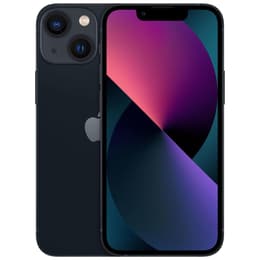
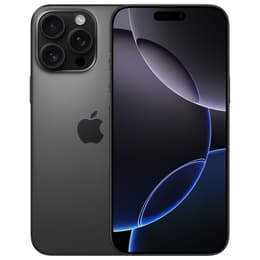

iPhone 13 mini Vs iPhone 16 Pro Max

iPhone 13 mini
iPhone 13 mini
Starting at

Refurbished price:£186.00

Versus £649.00 new

See options
iPhone 16 Pro Max
iPhone 16 Pro Max
Starting at

Refurbished price:£658.00

Versus £1,199.00 new

See options

Ratings

The iPhone 13 Mini (2021) and the iPhone 16 Pro Max (2024) represent opposite ends of the smartphone spectrum in terms of size and capability. While the 13 Mini was designed for users who prefer a compact, one-handed experience, the 16 Pro Max is built for those who want the largest possible display and the most advanced mobile technology available. Both devices run on the iOS platform, ensuring a familiar user interface, though the newer model supports more advanced software features and system-wide optimisations.

Scores

Durability

The age gap between these two devices significantly impacts their expected lifespan and software support cycles.

  • Software Longevity: The iPhone 16 Pro Max, released in 2024, is expected to receive official software updates for several years beyond the iPhone 13 Mini, which arrived in 2021.
  • Physical Resilience: While both feature durable glass and metal frames, the iPhone 16 Pro Max utilises updated internal structures that make certain repairs more straightforward compared to the older compact model.
  • Practical Lifespan: Users can expect the iPhone 16 Pro Max to remain compatible with the latest apps and security patches for a longer duration, whereas the 13 Mini is closer to the end of its primary support window.

Year of Release

2021

2024

Compatible with latest Update

Yes

Yes

Foldable

No

No

Performance

The difference in internal hardware translates to distinct experiences in responsiveness and multitasking capabilities.

  • System Responsiveness: The iPhone 16 Pro Max handles demanding tasks like high-resolution video editing and intensive gaming with greater ease than the iPhone 13 Mini, which is better suited for standard daily apps.
  • Battery Endurance: Due to its larger physical size, the 16 Pro Max houses a much higher capacity battery that comfortably lasts through a full day of heavy use, while the 13 Mini requires more frequent charging.
  • Multitasking Efficiency: With more memory for background tasks, the 16 Pro Max allows users to switch between numerous open applications without the system needing to refresh them as often as the 13 Mini.

Memory (GB)

4 GB

8 GB

Screen quality

The viewing experience is perhaps the most immediate difference between these two smartphones, affecting everything from reading to media consumption.

  • Display Technology: The iPhone 16 Pro Max features a high-refresh-rate display that makes scrolling and animations appear much smoother than the standard screen found on the iPhone 13 Mini.
  • Outdoor Visibility: The newer model offers significantly higher peak brightness, making the screen much easier to read in direct sunlight compared to the older compact device.
  • Screen Real Estate: With a 6.9-inch display, the 16 Pro Max provides a vast canvas for watching videos and productivity, whereas the 5.4-inch 13 Mini prioritises portability and ease of reach.

Resolution

1080 x 2340

1320 x 2868

Screen type

Super Retina XDR OLED

LTPO Super Retina XDR OLED

Audiovisual

Photography and video capabilities have evolved considerably in the three years separating these models.

  • Camera Versatility: The iPhone 16 Pro Max includes a dedicated telephoto lens for high-quality zooming, a feature entirely absent on the dual-camera system of the iPhone 13 Mini.
  • Low-Light Performance: Advanced sensors in the 16 Pro Max capture more light and detail in dark environments, resulting in clearer photos with less visual noise than the 13 Mini can produce.
  • Video Features: Professional-grade video recording options and improved microphone arrays on the 16 Pro Max cater to content creators, while the 13 Mini provides reliable but more basic video tools.

Main camera

12 megapixels

48 megapixels

Front camera

12 megapixels

12 megapixels

Miscellaneous

Practical hardware differences like port types and physical buttons change how users interact with these devices daily.

  • Connectivity and Ports: The iPhone 16 Pro Max uses a universal USB-C port for charging and data transfer, while the iPhone 13 Mini relies on the older Lightning connector.
  • Physical Controls: The 16 Pro Max introduces specialised buttons for quick access to the camera or other functions, providing a more tactile experience than the traditional switches on the 13 Mini.
  • Weight and Handling: The 13 Mini is exceptionally light and easy to use with one hand, whereas the 16 Pro Max is a substantial device that typically requires two hands for comfortable operation.

Weight

140 g

227 g

Screen size (in)

5.4

6.9

Mobile network

5G

5G

SIM card

Physical SIM + eSIM

Physical SIM + eSIM

Carrier compatibility

Unlocked

Unlocked

Connector

Lightning

USB-C (USB 3)

User feedback highlights a clear divide in preference based on lifestyle. Owners of the iPhone 13 Mini frequently praise its pocketability and the rare ability to reach all corners of the screen with a thumb. However, some users note that the smaller battery requires careful management during long days. Conversely, iPhone 16 Pro Max users appreciate the expansive screen and the battery that seems to last forever, though some find its weight and size a challenge for smaller pockets or extended handheld use.

Users who prioritise portability and a lightweight feel will find the iPhone 13 Mini to be a unique choice that is increasingly hard to find in the modern market. Those who require the most advanced camera tools, a massive display for media, and the longest possible software support will naturally lean toward the iPhone 16 Pro Max. Choosing a quality-assured refurbished option for either model is a sustainable choice that helps reduce electronic waste. Ultimately, the decision rests on whether you value a device that disappears into your pocket or one that serves as a powerful, large-screen workstation. This approach ensures you get a high-performing device while supporting a circular economy.
See all articles

Our recent comparisons