
iPhones
Compare models
Differences at a glance
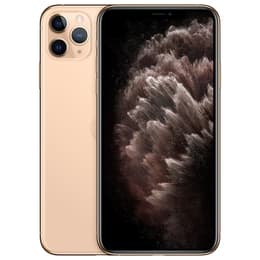
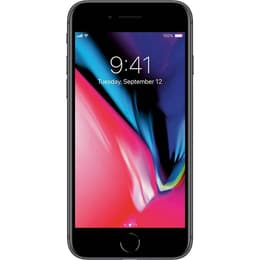
The iPhone 8, launched in 2017, and the iPhone 11 Pro Max, released in 2019, represent two distinct eras of smartphone design and functionality. While the iPhone 8 maintains the classic aesthetic with a physical home button and a compact frame, the iPhone 11 Pro Max introduced the expansive, all-screen experience that has since become the standard for modern mobile devices. Both smartphones operate on Apple's iOS, though their age difference significantly impacts their ability to run the latest software features and security updates in 2026.
The primary differentiators between these two models lie in their physical size, display technology, and camera capabilities. The iPhone 8 is designed for simplicity and one-handed use, whereas the iPhone 11 Pro Max is built for immersive media consumption and advanced photography. This comparison explores how these differences manifest in daily use to help you determine which device better aligns with your specific requirements.
Colour
Storage
The two-year gap between the release of these devices has a substantial impact on their projected lifespan and software compatibility in the current year.
Year of Release
Compatible with latest Update
OS
Foldable
In terms of daily responsiveness, the difference in processing power and memory management between these two generations is quite evident during multitasking and demanding tasks.
The viewing experience is perhaps the most immediate differentiator, as the technology used in the displays offers very different visual characteristics.
Resolution
Screen type
Photography enthusiasts will notice a significant gap in versatility when comparing the single-lens setup of the older model to the triple-camera system of the newer one.
Main camera
Front camera
Beyond the core specifications, the physical handling and security methods define the unique user experience offered by each of these smartphones.
Weight
Screen size (in)
Mobile network
SIM card
Carrier compatibility
Connector
User feedback from online communities and forums highlights a clear divide in preference based on individual lifestyle needs. The iPhone 8 is frequently praised for its "classic" feel and the tactile reliability of the home button, with many users appreciating its compact size in an era of increasingly large phones. However, common criticisms include its ageing battery life and the thick borders around the screen, which can feel restrictive for modern app layouts. Conversely, the iPhone 11 Pro Max is lauded for its exceptional battery endurance and the immersive quality of its large display, though some users find its substantial weight and bulkiness to be a drawback for daily portability.
Users who prioritise a compact, lightweight phone for basic communication and one-handed use will find the iPhone 8 fits their needs well. Those who consume a significant amount of media, play mobile games, or require a camera that can handle various lighting conditions will likely prefer the iPhone 11 Pro Max. Choosing a quality-assured refurbished option for either model is a sustainable choice that helps reduce electronic waste while providing a reliable device. Ultimately, the decision rests on whether you value the portability and simplicity of the older design or the expansive screen and advanced features of the newer generation. As an eco-friendly alternative, both models remain functional choices for different types of users in 2026, supporting a more circular approach to technology.