
MacBooks
Compare models
Differences at a glance
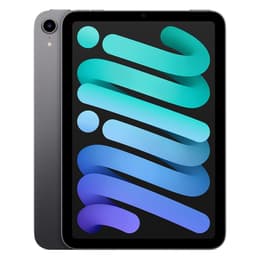
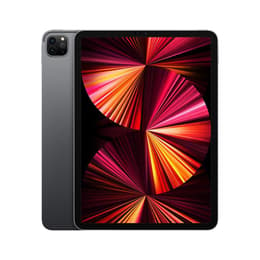
The iPad mini 6 (2021) and the 11-inch iPad Pro (2021) represent two distinct approaches to Apple's tablet lineup, catering to entirely different physical formats and usage demands. While the iPad mini prioritizes ultra-portability with its compact enclosure, the iPad Pro delivers workstation-class processing power and a larger canvas built for demanding professional workflows. Both devices run on iPadOS, ensuring access to the same app ecosystem, yet their underlying hardware architectures and physical dimensions set them apart for daily use.
Colour
Storage
Both tablets share the same 2021 release year, meaning they occupy a similar generational tier regarding software support timelines and long-term viability. When evaluating their structural endurance and maintenance outlook, several factors shape their expected practical lifespans:
Year of Release
Compatible with latest Update
OS
Maximum Operating System supported
The internal hardware capabilities diverge significantly, dictating how each tablet handles multitasking, heavy applications, and everyday responsiveness. Users will notice distinct differences in system behavior depending on their workload intensity:
Processor
Display characteristics define much of the physical interaction with these tablets, offering contrasting visual experiences tailored to different viewing preferences. The choice between these screens involves balancing physical workspace against visual fluidity:
Resolution
True Tone
Pro-Motion
Screen type
Pixel density
Brightness
Speakers
Multimedia capture and audio output capabilities vary considerably, reflecting the intended use cases of a pocket-friendly reader versus a creative production tool. Hardware differences impact everything from casual video calls to media playback:
Physical dimensions and connectivity options dictate how easily each device integrates into travel routines and external accessory setups. Practical daily handling depends heavily on these exterior traits:
Weight
Width
Height
Depth
Screen size (in)
Network
Carrier compatibility
Wi-Fi technology
Bluetooth Version
Face ID
Touch ID
Connector
User feedback from community discussions highlights distinct patterns of praise and common criticisms for both devices. Owners of the compact model frequently commend its exceptional one-handed usability, lightweight build, and convenience as a digital notebook or e-reader, though some note that the smaller screen can feel cramped during intensive split-screen multitasking. Conversely, users of the larger Pro model consistently praise its fluid display responsiveness and robust processing capabilities, while occasionally noting that its physical footprint is less convenient for casual reading while standing or traveling light.
Users prioritizing maximum portability and single-handed comfort will find the iPad mini 6 well-suited to their daily routines, while those requiring a spacious workspace, advanced accessory compatibility, and heavy multitasking performance will lean toward the 11-inch iPad Pro. Choosing a quality-assured refurbished option through platforms like Back Market offers a sustainable, eco-friendly way to acquire either device while supporting responsible resource use. Ultimately, the right choice depends entirely on whether your daily workflow demands a pocket-sized reading companion or a versatile, high-capacity creative canvas.