
iPad 10 (2022, A14 series) Vs iPad mini 6 (2021, A15 series)

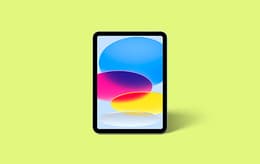
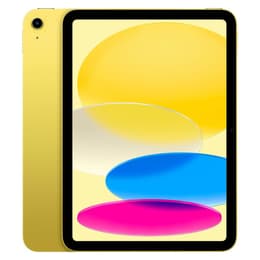
iPad 10 (2022, A14 series)
Starting at

Refurbished price:£217.00

Versus £349.00 new

See options
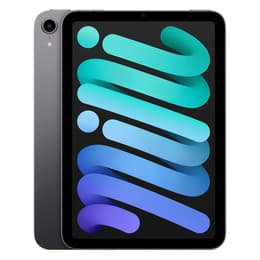
iPad mini 6 (2021, A15 series)
Starting at

Refurbished price:£253.32

Versus £569.00 new

See options

Ratings

The iPad 2022, also known as the 10th generation iPad, and the iPad Mini 2021, or 6th generation iPad Mini, are distinct tablet offerings from Apple, each catering to different user preferences and needs. Released in October 2022 and September 2021, respectively, these devices share the iPadOS operating system, providing a consistent software experience. Their primary differentiators lie in their physical size, display characteristics, and the internal processing power, influencing how users interact with content and applications.

Scores

Durability

When considering the longevity of these tablets, several factors come into play, including their release timelines, expected software support, and repairability.

  • Release Timeline: The iPad 10th generation was released in October 2022, making it approximately one year newer than the iPad Mini 6th generation, which debuted in September 2021. This difference in release date typically translates to a longer period of software support for the newer model.
  • OS Support Duration: Apple generally provides five to seven years of major iPadOS updates for its devices. Given its later release, the iPad 10th generation is anticipated to receive software updates for about one year longer than the iPad Mini 6th generation, extending its practical lifespan for accessing the latest features and security patches.
  • Repairability: Both models feature a modern design with flat edges and a Touch ID sensor integrated into the power button. While specific repairability scores can vary, both devices are designed with internal components that require specialized tools and expertise for repair, aligning with typical tablet construction.

Year of Release

2022

2021

Compatible with latest Update

Yes

Yes

OS

iPadOS

iPadOS

Maximum Operating System supported

iPadOS 18

iPadOS 18

Performance

The performance of a tablet is crucial for handling daily tasks, from browsing and media consumption to more demanding applications and multitasking. Both the iPad 10th generation and iPad Mini 6th generation offer capable performance, though with some distinctions.

  • Processing Capabilities: The iPad Mini 6th generation is equipped with a more recent generation processor, which generally translates to slightly faster overall performance and improved efficiency, particularly noticeable in demanding applications or graphically intensive games. The iPad 10th generation, while featuring a capable processor, offers robust performance for everyday use, multitasking, and casual gaming.
  • Multitasking and Responsiveness: Both tablets provide a smooth and responsive user experience, allowing for quick app launches and fluid navigation within iPadOS. For typical multitasking scenarios, such as using two apps side-by-side, both devices handle these tasks effectively. However, the iPad Mini's slightly more powerful internal components may offer a marginal advantage in maintaining smoothness during prolonged heavy use.
  • Storage Options: Both models are available with 64GB or 256GB of internal storage, providing options for users based on their content and application needs. Users who store many large files, games, or frequently download media may find the 256GB option more suitable.

Memory (GB)

4 GB

4 GB

Processor

Apple A14 Bionic

Apple A15 Bionic

Screen quality

The display is a primary interface for any tablet, and both the iPad 10th generation and iPad Mini 6th generation offer Liquid Retina IPS LCD panels, but with key differences in size and technology.

  • Display Size and Viewing Experience: The iPad 10th generation features a larger 10.9-inch display, providing a more expansive canvas for media consumption, productivity tasks, and web browsing. In contrast, the iPad Mini 6th generation has a more compact 8.3-inch display, prioritizing portability and single-handed use, making it well-suited for reading and on-the-go tasks.
  • Display Technology and Clarity: The iPad Mini 6th generation's display is fully laminated, meaning there is no air gap between the glass and the LCD panel. This design can result in a more direct touch experience and reduced parallax when using a stylus. It also supports a wider P3 color gamut, offering more vibrant and accurate colors. The iPad 10th generation's display, while bright and clear with True Tone technology, is not fully laminated and supports sRGB color. Both displays offer 500 nits of peak brightness, ensuring good visibility in various lighting conditions.
  • Pixel Density: The iPad Mini 6th generation boasts a higher pixel density (326 ppi) due to its smaller screen size with a high resolution, resulting in sharper text and images. The iPad 10th generation has a lower pixel density (264 ppi) but still delivers a clear viewing experience.

Resolution

2360 x 1640

2266 x 1488

True Tone

Yes

Yes

Pro-Motion

No

No

Screen type

Liquid Retina display

Liquid Retina display

Pixel density

264ppp

326ppp

Brightness

500 nits brightness

500 nits brightness

Sound quality

Speakers

Stereo speakers

Stereo speakers (landscape)

Audiovisual

Both tablets are equipped with capable camera systems for capturing photos and videos, as well as for video calls, though with some notable distinctions in their front camera placement and rear camera features.

  • Rear Camera System: Both devices feature a 12-megapixel wide rear camera capable of recording 4K video. The iPad Mini 6th generation includes a True Tone flash on its rear camera, which can be beneficial for photography in low-light conditions. The iPad 10th generation does not include a rear flash.
  • Front Camera and Video Calls: A key difference lies in the front camera placement. The iPad 10th generation features a 12-megapixel ultra-wide front camera positioned on the longer, landscape edge of the device, which is ideal for video calls when the tablet is used horizontally. The iPad Mini 6th generation also has a 12-megapixel ultra-wide front camera with Center Stage, but it is located on the shorter, portrait edge. Both support Center Stage, which automatically keeps subjects in frame during video calls.
  • Audio for Media and Calls: Both tablets offer stereo speakers, providing an immersive audio experience for media consumption. The iPad 10th generation's speakers are noted by some users to be louder and offer a warmer sound profile compared to the iPad Mini 6th generation.

Miscellaneous

Beyond core specifications, several practical elements contribute to the overall user experience and differentiate these two iPad models.

  • Connectivity: Both the iPad 10th generation and iPad Mini 6th generation support Wi-Fi 6 for fast wireless internet and offer optional 5G connectivity for cellular models. The iPad 10th generation features Bluetooth 5.2, while the iPad Mini 6th generation uses Bluetooth 5.0, with Bluetooth 5.2 offering slightly improved efficiency and multi-device support.
  • Port Type: Both devices have adopted a USB-C port for charging and connecting accessories, offering greater versatility compared to the older Lightning connector. However, some user reports indicate that the iPad 10th generation's USB-C port may offer slower data transfer speeds compared to the iPad Mini 6th generation.
  • Stylus Support: The iPad 10th generation supports the Apple Pencil (1st generation) and the newer Apple Pencil (USB-C). The Apple Pencil (1st generation) requires an adapter for charging and pairing with the iPad 10th generation due to the port change. The iPad Mini 6th generation supports the Apple Pencil (2nd generation), which attaches magnetically to the side for charging and pairing.
  • Physical Design and Handling: The iPad 10th generation is larger and heavier, offering a more traditional tablet experience. The iPad Mini 6th generation is significantly more compact and lighter, making it highly portable and comfortable for extended one-handed use or carrying in a small bag. Both feature Touch ID integrated into the power button for secure authentication.

Weight

477 g

293 g

Width

17.95 cm

13.48 cm

Height

24.86 cm

19.54 cm

Depth

0.7 cm

0.63 cm

Screen size (in)

10.9

8.3

Network

Wi-Fi

Wi-Fi

Carrier compatibility

Without SIM Port

Without SIM Port

Wi-Fi technology

Wi-Fi 6 802.11ax

Wi-Fi 6 802.11ax

Bluetooth Version

Bluetooth 5.2

Bluetooth 5.0

Face ID

No

No

Touch ID

Yes

Yes

Connector

USB Type-C

USB Type-C

The iPad 10th generation and iPad Mini 6th generation each present a compelling set of features, tailored to different user priorities. User feedback often highlights the iPad 10th generation's appeal for those seeking a larger screen for media consumption, general productivity, and a modern design. Its landscape-oriented front camera is frequently praised for enhancing video call experiences. Some users, however, note the non-laminated display and the less convenient charging method for the Apple Pencil (1st generation) as points of consideration, though the introduction of the Apple Pencil (USB-C) addresses some of these concerns.

Conversely, the iPad Mini 6th generation is widely lauded for its exceptional portability, making it a favorite for reading, note-taking, and as a travel companion. Its more powerful processor and fully laminated display, along with the convenience of the Apple Pencil (2nd generation)'s magnetic charging, are often cited as significant advantages. Some users have reported a 'jelly scroll' effect on the display, though this is not a universal experience, and the 60Hz refresh rate is occasionally mentioned as a limitation compared to higher-end tablets.

Users prioritizing a larger screen for immersive viewing and a more traditional tablet workflow may find the iPad 10th generation better suited to their needs. Its expansive display and landscape camera are ideal for video conferencing and content creation. For individuals who value extreme portability, comfortable one-handed use, and a premium display experience in a compact form factor, the iPad Mini 6th generation stands out. It excels as an e-reader, a digital notebook, and a highly mobile entertainment device. Both devices offer a robust iPadOS experience, and choosing between them ultimately depends on whether a larger screen or maximum portability aligns more closely with individual usage patterns. For those considering either model, exploring quality-assured refurbished options can provide an eco-friendly alternative.

See all articles

Our recent comparisons