Compare models

Google Pixel 8 Vs iPhone 17 Pro

  • 1-year minimum warranty
  • Free delivery on all items
  • Free 30-day returns
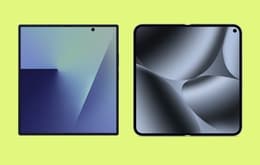
Google Pixel 8
Starting at

Refurbished price:£194.00

Versus £856.87 new

See options
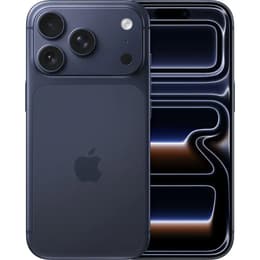
iPhone 17 Pro
Starting at

Refurbished price:£811.00

Versus £1,099.00 new

See options

Differences at a glance

The Google Pixel 8 (2023) and the iPhone 17 Pro (2025) represent distinct approaches to modern smartphone design, operating systems, and ecosystem integration. While the Pixel 8 focuses on an approachable everyday user experience driven by intuitive software and artificial intelligence, the iPhone 17 Pro delivers advanced processing hardware and a professional-grade camera system within Apple's iOS ecosystem. Choosing between these two devices involves weighing different operating system preferences and hardware priorities rather than simple performance superiority.

Available Models

Colour

Storage

Scores

Durability

Both smartphones provide robust long-term usability, though their release schedules and software ecosystems shape their overall lifespan expectations.

  • Software Support Timeline: The Google Pixel 8 features an extended multi-year update commitment covering software upgrades and security patches, while the iPhone 17 Pro benefits from Apple's traditional long-term device support framework.
  • Repairability and Build Longevity: Both manufacturers incorporate durable exterior materials designed to withstand routine wear, though repair infrastructure varies depending on local service network availability for each brand.
  • Practical Lifespan: Component quality and sustained software upkeep ensure both devices remain functional and secure for years of daily use.

Year of Release

2023

2025

Compatible with latest Update

Yes

Yes

OS

Android

iOS

Foldable

No

No

Performance

Internal hardware configurations handle everyday tasks, heavy multitasking, and demanding mobile applications differently based on each device's system architecture.

  • Multitasking and App Handling: The iPhone 17 Pro utilizes high-performance processing hardware to switch swiftly between intensive applications, whereas the Pixel 8 relies on balanced internal components optimized for fluid daily navigation and background tasks.
  • Storage and Memory: Available configurations vary across models, affecting how many large files, media libraries, and offline applications users can store locally without relying on cloud storage.
  • Thermal and Battery Behavior: Power management systems on both phones sustain normal operation through standard daily routines, though heavy gaming or prolonged video recording triggers distinct thermal responses.

Screen quality

Display technologies on both devices deliver sharp visuals, though panel specifications differ in size, refresh behavior, and outdoor visibility.

  • Panel Technology and Clarity: Both models employ advanced OLED display panels that produce deep contrast levels, rich color reproduction, and sharp text rendering for reading and media consumption.
  • Refresh Rate and Motion Smoothness: Adaptive refresh rate capabilities ensure fluid scrolling through web pages and smooth transitions during interface navigation.
  • Peak Brightness: High maximum brightness outputs allow both screens to remain legible under direct sunlight, though specific maximum luminance thresholds vary between the two models.

Resolution

1080 x 2400

2622x1206

Screen type

OLED

Super Retina XDR

Audiovisual

Imaging hardware and software processing pipelines offer distinct tools for capturing photos, recording video, and handling audio output.

  • Lens Versatility: The iPhone 17 Pro features a multi-lens setup including dedicated optical zoom capabilities, while the Pixel 8 employs a streamlined dual-lens configuration focused on primary and ultra-wide perspectives.
  • Computational Photography: Google relies heavily on advanced software algorithms to enhance low-light shots and edit images post-capture, whereas Apple emphasizes hardware-level sensor capabilities alongside detailed video stabilization features.
  • Media and Audio Playback: Built-in stereo speakers on both devices provide clear sound output for casual media viewing and hands-free calls.

Main camera

50 megapixels

48 megapixels

Front camera

10.5 megapixels

18 megapixels

Miscellaneous

Physical dimensions, connectivity standards, and daily handling characteristics define the ergonomic profile of each smartphone.

  • Physical Dimensions and Weight: The Pixel 8 offers a relatively compact form factor that fits comfortably in smaller hands, while the iPhone 17 Pro presents a slightly different footprint and heft associated with its robust frame materials.
  • Connectivity and Ports: Both devices support modern wireless communication standards including 5G and high-speed Wi-Fi, utilizing contemporary physical connector ports for charging and data transfer.
  • Security Sensors: Biometric authentication relies on facial recognition technology or integrated fingerprint sensors depending on the specific device design.

Weight

187 g

206 g

Screen size (in)

6,2

6.3

Mobile network

5G

5G

SIM card

Physical SIM + eSIM

Physical SIM + eSIM

Carrier compatibility

Unlocked

Unlocked

Connector

USB-C

USB-C

What the community thinks

User feedback highlights distinct preferences for each device across community forums. Google Pixel 8 owners frequently praise the clean software interface, helpful artificial intelligence editing tools, and comfortable physical size. Common discussions note that battery endurance under heavy usage can be modest, requiring a top-up before the end of a long day. Conversely, iPhone 17 Pro users frequently commend the premium build quality, sustained processing speed, and reliable video recording capabilities. Discussions around the Apple device often mention the higher entry tier and the closed nature of the iOS ecosystem as considerations for switchers.

Users prioritizing a clean Android interface, comfortable ergonomics, and software longevity will find the Google Pixel 8 well-suited to their daily routine. Meanwhile, users who prefer the Apple ecosystem, advanced video recording features, and high-tier processing power may lean toward the iPhone 17 Pro. For those looking toward sustainable consumption, choosing a quality-assured refurbished option provides an eco-friendly alternative that extends device lifecycles without compromising on core functionality.