
Compare models

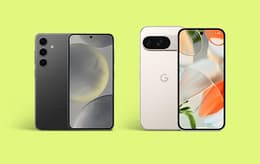
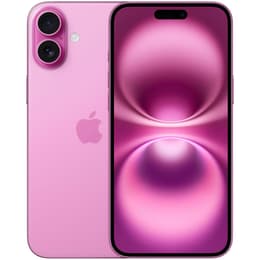
Google Pixel 10 Vs iPhone 16 Plus

  • 1-year minimum warranty
  • Free delivery on all items
  • Free 30-day returns
Google Pixel 10
Starting at

Refurbished price:£389.00

Versus £789.14 new

See options
iPhone 16 Plus
Starting at

Refurbished price:£478.00

Versus £799.00 new

See options

Differences at a glance

The Google Pixel 10 (2025) and Apple iPhone 16 Plus (2024) are prominent smartphones that offer distinct approaches to everyday mobile technology. While the Google Pixel 10 runs on Android with a focus on integrated artificial intelligence features, the iPhone 16 Plus operates on iOS within a larger-screen format. These devices differ primarily in their display sizes, software ecosystems, and physical dimensions while serving users looking for reliable daily performance.

Available Models

Colour

Storage

Scores

Durability

Both smartphones provide robust build qualities and long-term support timelines, though their software ecosystems and maintenance frameworks differ.

  • Software Support and Longevity: The Google Pixel 10 receives extended major operating system updates characteristic of recent Android releases, whereas the iPhone 16 Plus benefits from Apple's long-standing tradition of multi-year iOS support.
  • Repairability and Build: Both models incorporate durable glass and aluminum construction alongside high-level water and dust resistance ratings, supporting a long functional lifespan when handled with care.
  • Expected Lifespan: Practical hardware durability ensures both devices easily endure years of routine daily use, remaining fully functional for standard communication, browsing, and media tasks.

Year of Release

2025

2024

Compatible with latest Update

Yes

Yes

Foldable

No

No

Performance

Day-to-day operation is smooth and responsive on both devices, handling multitasking and demanding mobile applications efficiently.

  • System Responsiveness: Both models manage app switching, web browsing, and heavy multitasking fluidly, ensuring minimal lag during intensive usage sessions.
  • Storage and Battery Behavior: Configurations vary across standard storage tiers, while battery capacities are optimized to comfortably sustain a full day of mixed usage under typical conditions.
  • Thermal Efficiency: Internal architecture manages heat effectively during extended gaming or video streaming sessions, maintaining stable performance levels.

Screen quality

Display characteristics differ notably in physical dimensions and refresh rates, catering to varied visual preferences.

  • Display Technology: The iPhone 16 Plus features a larger OLED panel focused on sharp resolution, while the Google Pixel 10 utilizes an Actua display equipped with a smooth high refresh rate.
  • Outdoor Visibility: High peak brightness levels on both screens ensure clear readability and vibrant color reproduction even under direct sunlight.
  • Viewing Experience: The larger screen real estate on the Apple model favors immersive media consumption, while the Google counterpart balances compactness with fluid visual transitions.

Resolution

1080x2424

1290 x 2796

Screen type

OLED

Super Retina XDR OLED

Audiovisual

Camera configurations are designed to capture crisp, detailed photos and smooth videos across various lighting conditions.

  • Photography Systems: Both devices employ multi-lens rear camera arrays that excel in everyday lighting, with advanced computational processing handling low-light environments effectively.
  • Video Recording: High-resolution video capture options include steady stabilization features and clear audio recording capabilities for home videos or casual content creation.
  • Audio and Media Output: Stereo speaker setups deliver balanced sound clarity for hands-free calls, podcasts, and video playback.

Front camera

42 megapixels

12 megapixels

Miscellaneous

Practical physical and connectivity attributes shape how each device fits into daily routines.

  • Connectivity Standards: Both phones support modern 5G networks, fast Wi-Fi protocols, and Bluetooth standards for reliable peripheral connections.
  • Physical Dimensions: The iPhone 16 Plus presents a larger and heavier footprint, whereas the Google Pixel 10 offers a more compact and balanced feel in the hand.
  • Security and Ports: Secure biometric authentication is handled via facial recognition or fingerprint sensors, and both devices utilize modern reversible port standards for charging and data transfer.

Weight

204 g

199 g

Screen size (in)

6.3

6.7

Mobile network

5G

5G

SIM card

Physical SIM + eSIM

Physical SIM + eSIM

Carrier compatibility

Unlocked

Unlocked

Connector

USB-C

USB-C (USB 2)

What the community thinks

User feedback highlights the Google Pixel 10 for its clean interface, smart software features, and manageable size, while the iPhone 16 Plus receives praise for its expansive display and consistent ecosystem integration. Common considerations involve balancing operating system preferences against hardware form factors. Users prioritizing a larger screen and the iOS environment may lean toward the iPhone 16 Plus, whereas those favoring a compact build, high refresh rate display, and Android customization will find the Google Pixel 10 well-suited to their needs. For consumers exploring a quality-assured refurbished option as an eco-friendly alternative, both models offer dependable functionality that aligns with sustainable purchasing habits. Ultimately, the choice depends on personal preference regarding software ecosystems and physical handling.