

Compare models

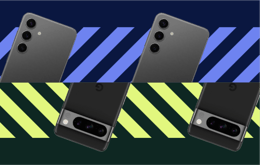
Google Pixel 10 Vs Google Pixel 6A

  • 1-year minimum warranty
  • Free delivery on all items
  • Free 30-day returns
Google Pixel 10
Starting at

Refurbished price:£415.00

Versus £799.00 new

See options
Google Pixel 6A
Starting at

Refurbished price:£127.00

Versus £459.00 new

See options

Differences at a glance

The Google Pixel 10 (2025) and the Google Pixel 6a (2022) represent different generations of Google's smartphone lineup, separated by several years of design and hardware evolution. While both devices run on the Android operating system and share Google's approach to clean software integration, they offer distinct experiences in everyday handling and hardware capability. Choosing between them depends on how users balance modern software support, hardware efficiency, and physical device dimensions for daily tasks.

Available Models

Colour

Storage (GB)

Scores

Durability

When examining software support timelines and hardware endurance, the two devices occupy different stages in their product lifecycles, influencing how long they will remain updated and functional.

  • Software support duration: The Google Pixel 10 benefits from an extended software update schedule stretching across many years, whereas the Google Pixel 6a operates closer to the end of its active security update window.
  • Expected practical lifespan: Users seeking long-term system updates and extended hardware viability will find the newer model better equipped for prolonged daily use.
  • Repairability and durability: Both models feature modern structural designs, though availability of replacement components changes as devices age, making a quality-assured refurbished option of the Pixel 10 an attractive path for long-term utility.

Year of Release

2025

2022

Compatible with latest Update

Yes

Yes

OS

Android

Android

Foldable

No

No

Performance

Processing power, memory capacity, and battery efficiency dictate how smoothly each device handles multitasking, heavy applications, and everyday communication tasks.

  • Multitasking and app responsiveness: The Google Pixel 10 handles demanding applications, background tasks, and intensive games smoothly without noticeable stutter, while the Pixel 6a manages routine daily applications and web browsing efficiently but may slow down under heavy workloads.
  • Battery behavior and endurance: The Pixel 10 incorporates battery management updates and larger capacity to sustain a full day of mixed use, whereas the Pixel 6a requires more frequent charging for users with heavy screen-on habits.
  • Storage configurations: Available storage variants differ between the models, allowing users to select capacities that align with their media storage and application installation habits.

Screen quality

Display technology, brightness, and refresh rate shape the primary visual interaction for media consumption, reading, and outdoor visibility.

  • Display panels and visual clarity: Both devices utilize OLED technology to deliver deep contrast levels and vibrant colors, though the Pixel 10 introduces higher peak brightness capabilities for clear outdoor legibility.
  • Refresh rate and motion smoothness: The Pixel 10 features a high refresh rate panel that ensures fluid scrolling through web pages and documents, while the Pixel 6a utilizes a standard refresh rate.
  • Screen dimensions: Physical screen sizes vary slightly, impacting the overall footprint of each device and how comfortably they fit into pockets or small bags.

Resolution

1080x2424

1080 x 2400

Screen type

OLED

OLED

Audiovisual

Optics, sensor capabilities, and computational processing determine how effectively each smartphone captures photos, records video, and handles media playback.

  • Camera system hardware: The Google Pixel 10 utilizes advanced sensor configurations and updated computational photography pipelines for sharp low-light images, whereas the Google Pixel 6a relies on an older sensor arrangement that still performs reliably for casual daylight photography.
  • Video recording quality: Video capture on the Pixel 10 benefits from improved stabilization and cinematic processing tools, while the Pixel 6a records steady clips suitable for everyday memories.
  • Audio and media output: Built-in stereo speakers on both devices provide clear sound for calls and casual video watching, though the newer model offers enhanced output clarity and richer low-end response.

Front camera

42 megapixels

8 megapixels

Miscellaneous

Physical dimensions, connectivity standards, and build materials influence the ergonomics and daily convenience of carrying and using each smartphone.

  • Connectivity options: The Pixel 10 supports modern wireless standards including advanced 5G bands and faster local network frequencies, while the Pixel 6a offers standard 5G and Wi-Fi connectivity for routine tasks.
  • Physical dimensions and weight: The Pixel 6a is notably compact and lightweight, making it comfortable for single-handed use, whereas the Pixel 10 features a slightly larger footprint to accommodate expanded internal hardware.
  • Biometric security: Both devices incorporate secure authentication methods, combining screen-based sensors and facial recognition options to streamline unlocking procedures.

Weight

204 g

250 g

Screen size (in)

6.3

6.1

Mobile network

5G

5G

SIM card

eSIM

Physical SIM + eSIM

Carrier compatibility

Unlocked

Unlocked

Connector

USB-C

USB-C

What the community thinks

Community discussions and user forums indicate that owners of the Google Pixel 6a frequently praise its compact physical dimensions, clean software environment, and reliability for basic communication tasks. At the same time, some users note that its battery capacity diminishes more quickly under heavy usage and that its processing hardware approaches its limits when running demanding modern applications. Conversely, users of the Google Pixel 10 highlight its fluid display performance, extended battery endurance, and responsive system navigation as major daily benefits.

Users prioritizing a compact device for basic messaging, web browsing, and casual photography will find the Google Pixel 6a well-suited to their requirements. Meanwhile, users prioritizing high display fluidity, long-term software support, and robust multitasking capabilities may lean toward the Google Pixel 10. For those seeking a sustainable choice that combines modern hardware longevity with lower environmental impact, exploring a quality-assured refurbished option provides a practical pathway to acquiring the Pixel 10 without compromise.