

Galaxy Z Fold7 Vs iPhone 15 Plus

Galaxy Z Fold7
Galaxy Z Fold7
Starting at

Refurbished price:£916.00

Versus £1,799.00 new

See options
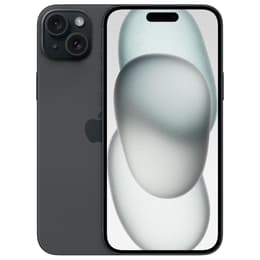
iPhone 15 Plus
iPhone 15 Plus
Starting at

Refurbished price:£344.00

Versus £799.00 new

See options

Ratings

The Samsung Galaxy Z Fold7, released in July 2025, and the Apple iPhone 15 Plus, launched in September 2023, represent distinct approaches to modern smartphone design and functionality. The primary distinction lies in their form factor: the Z Fold7 offers a foldable design that transforms from a traditional smartphone into a larger tablet-like display, while the iPhone 15 Plus maintains a conventional, large-screen slab design. Both devices operate on their respective flagship operating systems, Android 16 with One UI 8 for the Z Fold7 and iOS 17 (upgradable to iOS 26) for the iPhone 15 Plus, catering to different user ecosystems.

Scores

Durability

When considering the long-term usability of these devices, their release timelines and software support policies are key factors.

  • Release Timeline: The Galaxy Z Fold7 was released in July 2025, making it nearly two years newer than the iPhone 15 Plus, which debuted in September 2023. This difference in launch dates inherently provides the Z Fold7 with a longer potential lifespan before becoming technologically outdated.
  • Software Longevity: Samsung has committed to providing seven years of Android OS updates and security patches for the Galaxy Z Fold7, extending its support until approximately 2032. The iPhone 15 Plus, while known for robust software support, typically receives iOS updates for about five to six years from its release. The iPhone 15 Plus was noted as being discontinued in September 2025 following the iPhone 17 announcement, which suggests its software support will continue for a few more years but its active production cycle has ended.
  • Physical Durability: The iPhone 15 Plus features a Ceramic Shield front and an IP68 rating, indicating strong resistance to dust and water submersion up to 6 meters for 30 minutes. The Galaxy Z Fold7, with its folding mechanism, has an IP48 rating, offering water resistance but minimal dust resistance. While the Z Fold7 has a redesigned hinge and stronger glass on its cover screen and back, its inner foldable display remains more susceptible to scratches compared to a traditional smartphone screen.

Year of Release

2025

2023

Compatible with latest Update

Yes

Yes

OS

Android

iOS

Foldable

Yes

No

Performance

The performance capabilities of these devices are driven by their respective processors and memory configurations, impacting overall responsiveness and multitasking efficiency.

  • Processing Power: The Galaxy Z Fold7 is equipped with a current-generation processor, described as powerful and efficient, capable of handling demanding applications and complex tasks smoothly. The iPhone 15 Plus features a robust processor that delivers strong performance for everyday use, gaming, and computational photography, while also being designed for power efficiency.
  • Multitasking and Responsiveness: The Z Fold7 offers substantial memory options, with 12GB of RAM as standard and up to 16GB in its highest storage configuration, which facilitates extensive multitasking and seamless transitions between numerous open applications. The iPhone 15 Plus comes with 6GB of RAM, providing a responsive user experience for typical smartphone usage and efficient app management within the iOS ecosystem.
  • Storage Options: Both devices offer a range of internal storage capacities to suit different user needs. The Galaxy Z Fold7 is available with 256GB, 512GB, or 1TB of storage. The iPhone 15 Plus provides options of 128GB, 256GB, or 512GB.

Memory (GB)

12 GB

6 GB

Screen quality

The display experience is a major differentiator, with the Galaxy Z Fold7 offering a unique foldable design and the iPhone 15 Plus providing a large, traditional screen.

  • Display Technology and Size: The Galaxy Z Fold7 features two Dynamic AMOLED 2X displays: an 8.0-inch main foldable screen and a 6.5-inch cover screen. Both screens offer vibrant colors and deep blacks. The iPhone 15 Plus has a single 6.7-inch Super Retina XDR OLED display, also known for its rich color reproduction and contrast.
  • Brightness and Clarity: Both devices offer high brightness levels for clear visibility in various lighting conditions. The Z Fold7's main display can reach up to 2600 nits of peak brightness, while its cover screen is also highly capable. The iPhone 15 Plus boasts a peak outdoor brightness of up to 2000 nits. Both displays provide sharp visuals with high pixel densities.
  • Refresh Rate and Smoothness: The Galaxy Z Fold7's main and cover displays both feature an adaptive refresh rate of up to 120Hz, contributing to smooth scrolling and fluid animations. The iPhone 15 Plus has a standard 60Hz refresh rate, which provides a consistent visual experience for most tasks.

Resolution

1968 x 2184

1290 x 2796

Audiovisual

Both smartphones offer advanced camera systems designed to capture high-quality photos and videos, though they approach imaging with different hardware configurations.

  • Rear Camera Systems: The Galaxy Z Fold7 features a versatile triple-camera setup on its rear, including a 200 MP main sensor with optical image stabilization, a 12 MP ultra-wide lens, and a 10 MP telephoto lens capable of 3x optical zoom. The iPhone 15 Plus is equipped with an advanced dual-camera system, comprising a 48 MP main sensor with sensor-shift optical image stabilization and a 12 MP ultra-wide lens. Its main camera also offers a 2x telephoto option through advanced computational photography.
  • Photography Performance: The Z Fold7's high-resolution main sensor and advanced image processing are designed to deliver detailed and vibrant images, with strong performance in various lighting conditions. The iPhone 15 Plus utilizes its powerful processor and computational photography features to produce high-quality photos with accurate colors and good detail, including enhanced portrait modes and improved low-light capabilities.
  • Video Recording and Front Cameras: Both devices support 4K video recording, with the iPhone 15 Plus offering features like Cinematic mode and Dolby Vision HDR video. For selfies and video calls, the Z Fold7 has a 10 MP camera on its cover screen and another 10 MP camera on its main display. The iPhone 15 Plus features a 12 MP front-facing camera with autofocus and advanced portrait capabilities.

Miscellaneous

Beyond core performance and display, several practical elements contribute to the overall user experience of these devices.

  • Connectivity and Ports: Both the Galaxy Z Fold7 and iPhone 15 Plus support 5G connectivity for fast mobile data. They also feature USB-C ports for charging and data transfer. However, the iPhone 15 Plus's USB-C port operates at USB 2.0 speeds, while the Z Fold7's port is expected to offer faster data transfer capabilities. Both devices include Wi-Fi and Bluetooth for wireless connections.
  • Physical Design and Handling: The Galaxy Z Fold7, when folded, is designed to be relatively compact for one-handed use, expanding into a larger screen for immersive viewing or productivity. It weighs 215 grams. The iPhone 15 Plus, at 201 grams, offers a large, traditional smartphone form factor with a comfortable grip and a sleek design featuring contoured edges.
  • Biometric Security: The Galaxy Z Fold7 incorporates a side-mounted fingerprint sensor for secure unlocking. The iPhone 15 Plus relies on Face ID, Apple's facial recognition system, for secure authentication.

Weight

187 g

201 g

Screen size (in)

8

6.7

Mobile network

5G

5G

SIM card

Dual Physical SIM + eSIM

Physical SIM + eSIM

Carrier compatibility

Unlocked

Unlocked

Connector

USB-C

USB-C

The choice between the Galaxy Z Fold7 and the iPhone 15 Plus largely depends on individual priorities regarding form factor, operating system preference, and specific use cases. The Galaxy Z Fold7 is praised by users for its innovative foldable design, offering the versatility of a large tablet screen in a pocketable device. Its extensive software support commitment and powerful processor are frequently highlighted as strong points. Some common concerns noted by users include the inherent durability considerations of the inner foldable screen and its IP48 rating, which offers less dust protection compared to traditional flagships.

Conversely, the iPhone 15 Plus is often lauded for its consistent performance, robust camera system, and the reliability of the iOS ecosystem. Users appreciate its durable build with Ceramic Shield and IP68 water and dust resistance. Criticisms sometimes point to its standard 60Hz display refresh rate, which some users find less fluid compared to higher refresh rate screens on other devices.

Users prioritizing a large, adaptable screen for multitasking, media consumption, and a longer software support window may find the Galaxy Z Fold7 well-suited to their needs. Its unique form factor and advanced camera system cater to those seeking cutting-edge technology and flexibility. On the other hand, users who value a traditional, highly durable smartphone experience with a powerful and efficient processor, a strong camera for everyday photography, and the established Apple ecosystem will likely lean towards the iPhone 15 Plus. Both devices offer compelling features, and for those looking for an eco-friendly alternative, quality-assured refurbished options for both models can provide excellent value and extend their lifecycle.


See all articles

Our recent comparisons