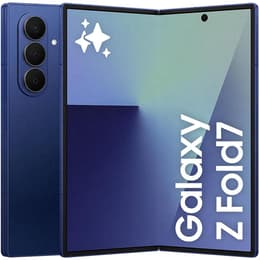
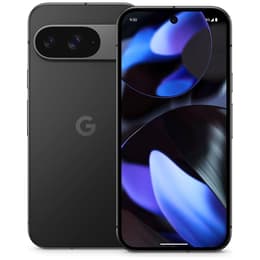

Galaxy Z Fold7 Vs Google Pixel 9

Galaxy Z Fold7
Galaxy Z Fold7
Starting at

Refurbished price:£916.00

Versus £1,799.00 new

See options
Google Pixel 9
Google Pixel 9
Starting at

Refurbished price:£331.00

Versus £892.46 new

See options

Ratings

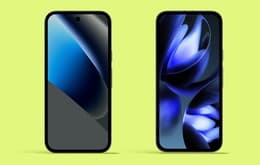
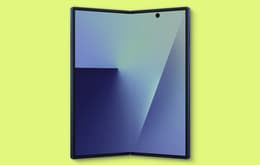
The Samsung Galaxy Z Fold7 (2025) and the Google Pixel 9 (2024) represent two distinct philosophies in the modern smartphone market. While the Galaxy Z Fold7 pushes the boundaries of mobile productivity with its unique folding design, the Google Pixel 9 focuses on a refined, traditional experience powered by deeply integrated software. Both devices run on the Android operating system, though they offer different user interfaces tailored to their specific hardware capabilities.

Choosing between them involves weighing the benefits of a pocketable tablet experience against a more conventional, streamlined smartphone. The Galaxy Z Fold7 is built for those who require expansive screen real estate, whereas the Google Pixel 9 is designed for users who prioritise a compact form factor and straightforward software.

Scores

Durability

The Galaxy Z Fold7 and Google Pixel 9 are both designed for long-term use, though their physical architectures lead to different longevity considerations.

  • Software Support: Both manufacturers have committed to providing seven years of security and operating system updates, ensuring these devices remain functional and secure well into the 2030s.
  • Physical Resilience: The Pixel 9 features a traditional glass-and-metal build that is generally more resistant to dust and fine particles, whereas the Fold7 utilises a complex hinge mechanism and a flexible internal display that requires more careful handling over time.
  • Repairability: Standard smartphones like the Pixel 9 typically offer a more straightforward repair process for common issues like screen replacements, while the intricate internal components of a foldable device often necessitate more specialised service and higher maintenance attention.

Year of Release

2025

2024

Compatible with latest Update

Yes

Yes

OS

Android

Android

Foldable

Yes

No

Performance

In daily use, both devices handle demanding applications with ease, though they cater to different types of multitasking and user workflows.

  • System Responsiveness: The Galaxy Z Fold7 is engineered to manage multiple apps simultaneously on its large screen without lag, making it suitable for users who frequently switch between work tools. The Pixel 9 prioritises smooth animations and rapid response times for everyday tasks like browsing and social media.
  • Battery Management: While the Fold7 houses a larger battery to power its expansive internal display, the Pixel 9 benefits from a more compact screen and efficient power management, often resulting in similar durations of use between charges for average users.
  • Storage and Memory: Both models offer ample internal storage for photos and files, with the Fold7 often providing higher memory configurations to support its advanced multitasking features and desktop-like interface.

Memory (GB)

12 GB

12 GB

Screen quality

The display experience is the most significant differentiator between these two smartphones, impacting how users consume media and interact with content.

  • Display Technology: The Fold7 features a massive, flexible internal OLED screen that provides a tablet-like experience, alongside a standard external display for quick tasks. The Pixel 9 uses a high-quality, flat OLED panel known for its natural colour reproduction and visibility in direct sunlight.
  • Refresh Rates: Both devices employ adaptive refresh rate technology, which ensures that scrolling and gaming look fluid while slowing down to save power when the screen is static.
  • Viewing Experience: Users who watch a lot of video or read long documents will appreciate the Fold7's expansive canvas, while those who prefer one-handed use will find the Pixel 9's sharp and bright display more manageable for daily interactions.

Resolution

1968 x 2184

1080 x 2424

Audiovisual

Photography and media playback are central to both devices, though they achieve high-quality results through different hardware and software approaches.

  • Camera Versatility: The Galaxy Z Fold7 includes a versatile triple-lens system, including a dedicated telephoto lens for zooming in on distant subjects. The Pixel 9 relies on a dual-lens setup but uses advanced software processing to produce clear, detailed images in various lighting conditions.
  • Video and Audio: Both smartphones record high-definition video with effective stabilisation, though the Fold7's larger frame allows for more widely spaced speakers, creating a broader soundstage for movies and music.
  • Low-Light Performance: The Pixel 9 is frequently noted for its ability to capture bright, noise-free photos in dark environments, while the Fold7 provides consistent results across its multiple lenses during evening use and indoor photography.

Miscellaneous

Beyond the core specifications, the physical footprint and connectivity of these devices influence how they fit into a user's lifestyle and daily habits.

  • Portability and Weight: The Pixel 9 is notably lighter and thinner, making it easy to carry in a pocket, whereas the Fold7 is a more substantial device that feels more like a small notebook when closed.
  • Biometrics and Ports: Both devices utilise secure biometric unlocking; the Fold7 typically uses a side-mounted sensor, while the Pixel 9 features an under-display scanner. Both have transitioned to standard USB-C ports for charging and data transfer.
  • Connectivity: Each phone supports the latest 5G and Wi-Fi standards, ensuring fast internet speeds and reliable connections for streaming, video calls, and cloud-based productivity tools.

Weight

187 g

198 g

Screen size (in)

8

6.3

Mobile network

5G

5G

SIM card

Dual Physical SIM + eSIM

Physical SIM + eSIM

Carrier compatibility

Unlocked

Unlocked

Connector

USB-C

USB-C

User feedback for the Galaxy Z Fold7 often highlights the transformative nature of the folding screen, with many praising its ability to replace a tablet for mobile work. However, some users express caution regarding the long-term durability of the folding mechanism and the weight of the device. Conversely, the Google Pixel 9 receives consistent praise for its clean software experience and the reliability of its camera system, though some users wish for more advanced hardware features found in larger models.

For those who prioritise productivity, large-scale media consumption, and the ability to run three apps at once, the Galaxy Z Fold7 is a compelling choice. Users who prefer a more traditional, reliable, and pocket-friendly device with a focus on high-quality photography will likely find the Google Pixel 9 more suitable for their needs. Choosing a quality-assured refurbished option for either model is a sustainable choice that helps reduce electronic waste while providing a high-performance device.

Ultimately, the decision rests on whether you value the innovative versatility of a foldable screen or the refined simplicity of a standard flagship smartphone. As an eco-friendly alternative, refurbishment allows users to access these technologies while supporting a more circular economy.
See all articles

Our recent comparisons