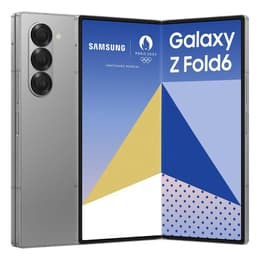
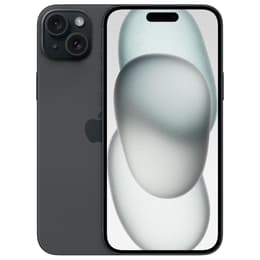

Galaxy Z Fold6 Vs iPhone 15 Plus

Galaxy Z Fold6
Galaxy Z Fold6
Starting at

Refurbished price:£523.00

Versus £1,685.59 new

See options
iPhone 15 Plus
iPhone 15 Plus
Starting at

Refurbished price:£345.00

Versus £799.00 new

See options

Ratings

The Samsung Galaxy Z Fold6, released in July 2024, and the Apple iPhone 15 Plus, launched in September 2023, represent distinct approaches to modern smartphone design and functionality. While the Z Fold6 offers a unique foldable form factor that transforms from a traditional smartphone into a tablet-like experience, the iPhone 15 Plus provides a large, conventional smartphone display within Apple's established ecosystem. Both devices operate on their respective flagship operating systems, Android with Samsung's One UI for the Z Fold6, and iOS for the iPhone 15 Plus, each offering a comprehensive suite of features and applications.

Scores

Durability

When considering the practical lifespan of these devices, both the Galaxy Z Fold6 and the iPhone 15 Plus offer robust software support and durable designs, though their approaches differ.

  • Release Timeline and Software Support: The Galaxy Z Fold6, being the newer device, benefits from Samsung's commitment to providing seven years of operating system upgrades and security updates, extending its software longevity until at least 2031. The iPhone 15 Plus, released about a year earlier, is expected to receive major iOS updates for approximately five to seven years and security updates for seven to eight years, with support potentially extending until around 2035.
  • Physical Durability: The Z Fold6 features an IP48 rating, indicating dust protection and water resistance up to 1.5 meters for 30 minutes, with its cover screen and back panel protected by Corning Gorilla Glass Victus 2 and the inner display utilizing ultra-thin flexible glass. The iPhone 15 Plus boasts a Ceramic Shield front cover and an IP68 rating, allowing for submersion up to 6 meters for 30 minutes, offering a traditional, highly resilient build.
  • Repairability and Practical Lifespan: While specific repairability scores can vary, both manufacturers offer repair services. The foldable nature of the Z Fold6 introduces additional components like the hinge and flexible display, which are engineered for durability. The iPhone 15 Plus, with its more conventional design, presents a familiar repair structure. Users can expect both devices to remain functional and supported for many years, with the Z Fold6 offering a slightly longer guaranteed software update period from its release.

Year of Release

2024

2023

Compatible with latest Update

Yes

Yes

OS

Android

iOS

Foldable

Yes

No

Performance

Both smartphones deliver high-level performance suitable for demanding tasks, though they achieve this with different underlying architectures.

  • Processing Power: The Galaxy Z Fold6 is equipped with a current-generation processor, providing smooth operation for demanding applications, multitasking, and graphically intensive games. Its architecture is designed to handle the unique requirements of a foldable display and advanced AI features. The iPhone 15 Plus utilizes a powerful processor from the previous year's Pro models, which still offers substantial performance for everyday use, complex applications, and mobile gaming, ensuring a responsive user experience.
  • Multitasking and Responsiveness: With 12 GB of RAM, the Z Fold6 is well-suited for extensive multitasking, allowing users to run multiple applications simultaneously across its large internal display without significant slowdowns. The iPhone 15 Plus, with 6 GB of RAM, also handles multitasking efficiently within the iOS environment, providing a fluid experience for switching between apps and managing background processes.
  • Storage Options: Both devices offer ample internal storage, with the Z Fold6 available in 256 GB, 512 GB, and 1 TB configurations, and the iPhone 15 Plus offering 128 GB, 256 GB, and 512 GB options. Neither device supports expandable storage via microSD cards.

Memory (GB)

12 GB

6 GB

Screen quality

The display experience is a primary differentiator between these two devices, with the Z Fold6 offering a versatile dual-screen setup and the iPhone 15 Plus providing a large, high-quality traditional panel.

  • Display Technology and Size: The Galaxy Z Fold6 features a 7.6-inch foldable Dynamic LTPO AMOLED 2X main display and a 6.3-inch Dynamic LTPO AMOLED 2X cover display. Both screens offer a 120Hz adaptive refresh rate, providing smooth scrolling and responsive interactions. The iPhone 15 Plus comes with a single 6.7-inch Super Retina XDR OLED display, which operates at a standard 60Hz refresh rate.
  • Resolution and Brightness: The Z Fold6's main display has a resolution of 1856 x 2160 pixels, while its cover screen is 968 x 2376 pixels. Both displays achieve a peak brightness of up to 2600 nits, ensuring excellent visibility even in bright outdoor conditions. The iPhone 15 Plus offers a resolution of 2796 x 1290 pixels and can reach a peak outdoor brightness of 2000 nits, with HDR content peaking at 1600 nits, delivering vibrant and clear visuals.
  • Viewing Experience: The Z Fold6's large internal display provides an immersive canvas for media consumption, productivity, and multitasking, with the foldable design allowing for unique usage modes like Flex Mode. The iPhone 15 Plus offers a spacious and bright display ideal for general content viewing, gaming, and app usage, enhanced by features like the Dynamic Island for notifications and activities.

Resolution

1856 x 2160

1290 x 2796

Screen type

Foldable Dynamic LTPO AMOLED 2X

Super Retina XDR OLED

Audiovisual

Both smartphones are equipped with advanced camera systems designed to capture high-quality photos and videos in various conditions, though their configurations and features cater to slightly different photographic needs.

  • Rear Camera Systems: The Galaxy Z Fold6 features a versatile triple-camera setup, including a 50 MP wide-angle main sensor with optical image stabilization (OIS), a 10 MP telephoto lens with 3x optical zoom and OIS, and a 12 MP ultrawide lens. This combination allows for flexibility in framing shots, from expansive landscapes to distant subjects. The iPhone 15 Plus sports a dual-camera system with a 48 MP main sensor that leverages computational photography to offer a 2x telephoto option, alongside a 12 MP ultrawide lens.
  • Photography Performance: Both devices excel in everyday photography, producing detailed images with accurate colors. The Z Fold6 benefits from Samsung's ProVisual Engine for enhanced image processing and offers features like Flex Mode for unique shooting angles. The iPhone 15 Plus utilizes Apple's Photonic Engine, Deep Fusion, and Smart HDR 5 to deliver strong low-light performance and detailed shots, with next-generation portraits offering advanced focus and depth control.
  • Video Recording and Front Cameras: The Z Fold6 supports 8K video recording at 30 frames per second, and includes a 10 MP cover camera and a 4 MP under-display camera on the main screen. The iPhone 15 Plus records 4K Dolby Vision video and features a 12 MP TrueDepth front camera with autofocus, capable of high-quality selfies and video calls.

Main camera

50 megapixels

48 megapixels

Front camera

4 megapixels

12 megapixels

Miscellaneous

Beyond their core functionalities, several practical elements distinguish the Galaxy Z Fold6 and the iPhone 15 Plus, influencing daily usability and connectivity.

  • Connectivity and Ports: Both devices support 5G cellular networks and Bluetooth 5.3 for wireless accessories. The Z Fold6 includes Wi-Fi 6E, offering faster and more stable wireless internet connections where available. The iPhone 15 Plus supports Wi-Fi 6. A significant change for the iPhone 15 Plus is the adoption of a USB-C port, aligning it with many other electronic devices, though its data transfer speeds are comparable to older USB 2.0 standards. The Z Fold6 also features a USB-C 3.2 port, offering faster data transfer capabilities.
  • Biometric Security and Navigation: The Galaxy Z Fold6 typically features a side-mounted fingerprint sensor for secure unlocking and authentication, alongside facial recognition. The iPhone 15 Plus relies on Face ID, Apple's facial recognition system, for secure access. Both devices offer intuitive navigation through their respective operating systems, with the Z Fold6 leveraging its foldable screen for enhanced multitasking and the iPhone 15 Plus integrating the Dynamic Island for interactive alerts and background activities.
  • Design and Handling: The Z Fold6, when folded, is a compact device that unfolds into a larger, thinner tablet-like form factor, weighing 239 grams. Its build materials include Gorilla Glass Victus 2 and ultra-thin flexible glass. The iPhone 15 Plus, at 201 grams, offers a more traditional, flat smartphone design with an aluminum frame and a color-infused glass back, providing a familiar and robust feel in hand.

Weight

239 g

201 g

Screen size (in)

7.6

6.7

Mobile network

5G

5G

SIM card

Dual Physical SIM + eSIM

Physical SIM + eSIM

Carrier compatibility

Unlocked

Unlocked

The choice between the Samsung Galaxy Z Fold6 and the iPhone 15 Plus hinges on individual priorities regarding form factor, ecosystem preference, and specific usage needs. Users frequently praise the Galaxy Z Fold6 for its innovative foldable design, which provides a large, immersive display for productivity and media consumption, effectively combining a smartphone and a small tablet into one device. Its robust multitasking capabilities and the integration of AI features are often highlighted as significant advantages. Some users, however, note the inherent considerations of a foldable device, such as the crease in the main display and its overall thickness when folded.

Conversely, the iPhone 15 Plus is widely lauded for its exceptional battery life, consistent performance, and the reliability of the iOS ecosystem. Users appreciate its large, bright display and the advancements in its camera system, which delivers high-quality results with ease. Common feedback often points to its traditional, non-foldable design as a preference for those seeking a straightforward smartphone experience, though some might desire a higher refresh rate display.

Users prioritizing a versatile device that can adapt from a compact phone to a large-screen productivity tool, and who are keen on exploring the latest in mobile innovation, may find the Galaxy Z Fold6 well-suited to their needs. Its expansive internal display is ideal for multitasking, reading, and immersive entertainment. On the other hand, individuals who value a consistently long-lasting battery, a large and vibrant traditional smartphone display, and a deeply integrated software experience will likely lean towards the iPhone 15 Plus. Both devices represent excellent choices within their respective categories, and considering a quality-assured refurbished option for either model can be a sustainable choice for consumers.


See all articles

Our recent comparisons