Galaxy Tab A9+ (11.0", 2023) Vs iPad Air 6 (2024, M2 series)

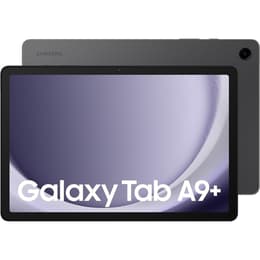
Galaxy Tab A9+ (11.0", 2023)
Starting at

Refurbished price:£144.00

Versus £309.90 new

See options
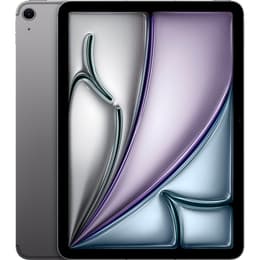
iPad Air 6 (2024, M2 series)
Starting at

Refurbished price:£404.00

Versus £599.00 new

See options

Ratings

The Samsung Galaxy Tab A9 Plus, released in October 2023, and the iPad Air M2 Series, launched in May 2024, represent distinct approaches to tablet computing. While both offer large displays and aim to provide versatile experiences, they differ significantly in their operating systems, core processing power, and ecosystem integration. The Galaxy Tab A9 Plus runs on Android, offering a customizable experience, whereas the iPad Air M2 operates on iPadOS, known for its streamlined interface and robust app ecosystem.

Scores

Durability

When considering the long-term usability of these tablets, their release timelines and software support policies are key factors.

  • Release Timeline and Age: The Galaxy Tab A9 Plus was released in October 2023, making it a relatively recent Android tablet. The iPad Air M2 Series, launched in May 2024, is a newer device, offering a more current hardware foundation.
  • OS Support Duration: The Galaxy Tab A9 Plus is expected to receive two major Android OS updates and four years of security updates from its release, with some sources indicating up to seven years of security updates. It has already received Android 14 (One UI 6.0) and is anticipated to get Android 15 (One UI 7.0). The iPad Air M2, running iPadOS, typically receives major OS updates for approximately five to six years, with security updates extending for seven to ten years, providing a longer software support window. As of March 2026, it runs iPadOS 26.
  • Repairability: The iPad Air M2 received an iFixit repairability score of 3 out of 10, indicating challenges in repair due to extensive adhesive use and difficult battery removal. The Galaxy Tab A9 Plus (and similar A9 series) has a moderate repairability score, around 4 out of 10, with screen removal being a delicate process and adhesive used for the battery.

Year of Release

2023

2024

Compatible with latest Update

Yes

Yes

OS

Android

iPadOS

Performance

The performance capabilities of these two tablets cater to different user demands, influenced by their respective processors and software optimizations.

  • Processor Capabilities: The Galaxy Tab A9 Plus is equipped with a processor that capably handles everyday tasks, media streaming, and even moderately intensive games. Users report smooth scrolling and navigation, though some applications might take a brief moment longer to open. The iPad Air M2 features a powerful processor designed for demanding applications, smooth multitasking, and graphics-intensive gaming. It offers a significant performance boost over previous generations, making it well-suited for professional creative tasks and heavy workloads.
  • Storage and RAM: The Galaxy Tab A9 Plus offers configurations with 4GB or 8GB of RAM and storage options of 64GB or 128GB, expandable via a microSD card up to 1TB. The iPad Air M2 comes with 8GB of RAM across all models and provides more generous internal storage options, starting at 128GB and going up to 1TB, without expandable storage.
  • Battery Behavior: The Galaxy Tab A9 Plus's battery typically provides 7-8 hours of moderate use and can extend to 10-12 hours for activities like video streaming or web browsing. The iPad Air M2 is rated for up to 10 hours of web browsing or video playback over Wi-Fi, with users noting improved standby battery life compared to earlier models.

Memory (GB)

4 GB

8 GB

Screen quality

The visual experience on both tablets is shaped by their display technology, resolution, and refresh rates.

  • Display Technology and Resolution: The Galaxy Tab A9 Plus features an 11-inch TFT LCD display with a resolution of 1920 x 1200 pixels. The iPad Air M2 also has an 11-inch Liquid Retina IPS LCD display, offering a higher resolution of 2360 x 1640 pixels and a pixel density of 264 PPI, resulting in sharper text and images.
  • Refresh Rate and Brightness: The Galaxy Tab A9 Plus provides a 90Hz refresh rate, contributing to smoother scrolling and animations compared to standard 60Hz displays. Its brightness is suitable for indoor use, though direct sunlight can make the screen appear washed out. The iPad Air M2 maintains a 60Hz refresh rate but offers a peak brightness of 500 nits, along with features like Wide Color (P3) and True Tone for accurate color representation and comfortable viewing in various lighting conditions.
  • Viewing Experience: The Galaxy Tab A9 Plus's 16:10 aspect ratio is well-suited for watching videos in landscape orientation. The iPad Air M2's display, with its higher resolution and color accuracy, provides a vibrant viewing experience for both media consumption and productivity tasks.

Resolution

1200 x 1920

2360 x 1640

Screen type

TFT LCD

Liquid Retina display

Pixel density

210ppp

264ppp

Audiovisual

While tablets are not typically primary photography devices, their camera systems are important for video calls and document scanning.

  • Camera System Capabilities: The Galaxy Tab A9 Plus includes an 8MP rear camera and a 5MP front camera. The iPad Air M2 features a 12MP rear camera and a 12MP ultra-wide front camera.
  • Photography and Video Performance: The Galaxy Tab A9 Plus's cameras are considered decent for video calls in good lighting and for scanning documents, but they are not designed for high-quality photography, especially in low-light conditions. The iPad Air M2 offers more capable cameras, with the rear camera supporting 4K video recording at 60fps and the front camera providing 1080p HD video. Both front and rear cameras on the iPad Air M2 support Smart HDR 4 for improved photo quality in challenging lighting.
  • Microphone and Speaker Output: The Galaxy Tab A9 Plus has quad speakers, offering sound quality that is generally considered good for its category, with decent loudness. The iPad Air M2 also features stereo speakers, with some models having larger speakers for an enhanced audio experience. The iPad Air M2's front camera is now positioned on the longer edge, which is more convenient for video calls when the tablet is used in landscape orientation.

Miscellaneous

Beyond core specifications, several practical features contribute to the overall user experience of these tablets.

  • Connectivity Options: The Galaxy Tab A9 Plus supports Wi-Fi 5 and Bluetooth 5.1, with a 5G cellular option available. The iPad Air M2 offers more advanced connectivity with Wi-Fi 6E and Bluetooth 5.3, and its cellular models support 5G (eSIM only).
  • Port Types: Both tablets utilize a USB-C port for charging and data transfer. The iPad Air M2's USB-C port is capable of faster data transfer speeds (10 Gbit/s) and DisplayPort capabilities for external monitor connectivity.
  • Useful Sensors and Biometrics: The Galaxy Tab A9 Plus relies on face recognition for biometric security, lacking a fingerprint sensor. The iPad Air M2 integrates Touch ID into its power button for secure authentication.
  • Weight and Dimensions: The Galaxy Tab A9 Plus (Wi-Fi model) weighs 480g and measures 257.1 x 168.7 x 6.9 mm. The 11-inch iPad Air M2 is slightly lighter at 462g and has dimensions of 247.6 x 178.5 x 6.1 mm, making it marginally thinner.
  • Build Materials: The Galaxy Tab A9 Plus features a metal build, contributing to a solid feel. The iPad Air M2 also has a premium build, maintaining a slim and portable design.

Weight

1 g

462 g

Screen size (in)

11.0

11

Network

Wi-Fi + 4G

Wi-Fi

Carrier compatibility

Unlocked

Without SIM Port

User feedback for the Galaxy Tab A9 Plus often highlights its value for media consumption and everyday tasks, praising its smooth 90Hz display and reliable battery life for its category. Common criticisms include its performance limitations for very demanding applications, the display's visibility in bright outdoor conditions, and the absence of a fingerprint sensor.

The iPad Air M2 is frequently lauded for its powerful processor, which enables seamless multitasking and handles intensive creative applications with ease. Users also appreciate the improved front camera placement for video calls and its enhanced standby battery life. However, some users note the continued use of an LCD panel instead of OLED and the 60Hz refresh rate as areas where it doesn't match higher-end tablets. Its low repairability score is also a point of concern for some.

Users prioritizing a highly customizable Android experience, expandable storage, and a smooth display for casual use and media consumption may find the Galaxy Tab A9 Plus well-suited to their needs. Conversely, individuals who require robust performance for creative work, a longer software support window, and a more integrated ecosystem may lean toward the iPad Air M2. Both devices offer a quality-assured refurbished option, providing an eco-friendly alternative for consumers seeking to make informed and sustainable choices.

See all articles

Our recent comparisons