
Compare models
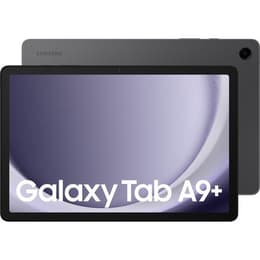
Galaxy Tab A11+ (11.0", 2025) Vs Galaxy Tab A9+ (11.0", 2023)
- 1-year minimum warranty
- Free delivery on all items
- Free 30-day returns
Differences at a glance
The Samsung Galaxy Tab A9+ (2023) and the Samsung Galaxy Tab A11+ (2025) represent successive generations of Samsung's accessible 11-inch tablet line. While both devices share a similar screen size and everyday tablet layout, the newer model introduces an updated software foundation, expanded memory configurations, and internal enhancements designed to streamline multitasking and media consumption.
Running on Android with Samsung's customized interface, both tablets provide a familiar software ecosystem, though the newer generation benefits from an extended operating system support lifecycle. These functional differences shape how each device fits into various daily routines.
Available Models
Colour
Storage
Scores
Durability
When evaluating hardware longevity and software support, the two generations differ primarily in their release timelines and update roadmaps, directly affecting long-term usability.
- Software Support Timeline: The Galaxy Tab A11+ benefits from an extended software update schedule, providing security patches and operating system upgrades further into the future compared to the older Galaxy Tab A9+.
- Build and Repairability: Both models feature slim, lightweight aluminum chassis with standard structural durability, though neither carries official high-level water resistance ratings. Opting for a quality-assured refurbished option provides a sustainable choice that extends device lifecycles without sacrificing reliability.
- Expected Lifespan: The newer processor and larger baseline memory configurations of the Tab A11+ ensure it maintains performance headroom for longer periods under standard daily workloads.
Year of Release
2025
2023
Compatible with latest Update
Yes
Yes
OS
Android
Android
Performance
Under daily workloads, both tablets manage web browsing and media streaming smoothly, but system responsiveness varies when handling intensive apps or heavy background processes.
- Multitasking and Memory: The Galaxy Tab A9+ typically pairs with lower baseline random access memory, whereas the Tab A11+ offers higher starting capacities and faster data retrieval, reducing slowdowns during heavy app switching.
- App Loading and Gaming: The current-generation processor inside the Tab A11+ handles demanding applications and graphic-heavy games with improved thermal efficiency, while the older Tab A9+ handles casual games and everyday utilities adequately.
- Storage Capacity: The newer model introduces higher storage tiers out of the box alongside microSD card expansion slots on both devices, allowing ample space for offline media and documents.
Screen quality
Both tablets rely on similarly sized display panels designed for portable media consumption, yet subtle adjustments enhance the visual experience on the newer hardware iteration.
- Display Technology: Both models utilize 11-inch LCD screens with identical resolutions, delivering clear text and sharp imagery for daily reading and document viewing.
- Refresh Rate and Smoothness: Both displays support a 90Hz refresh rate, ensuring fluid scrolling through web pages and smooth animation transitions across the user interface.
- Outdoor Usability: Peak brightness levels are comparable across both generations, offering sufficient legibility indoors and under shaded outdoor environments, though direct sunlight visibility remains limited.
Resolution
1920 x 1200
1200 x 1920
Pixel density
180ppp
210ppp
Audiovisual
Tablet cameras are typically intended for casual document scanning, video calls, and quick snapshots rather than primary photography.
- Camera System Capabilities: Both devices feature a standard single rear sensor and a front-facing lens positioned for landscape video conferences, producing clear results in bright indoor environments.
- Low-Light Performance: Grain and loss of detail become noticeable in dim conditions on both models due to smaller sensor sizes suited for budget-friendly tablet hardware.
- Audio and Media Output: The Galaxy Tab A11+ benefits from an upgraded multi-speaker array tuned with spatial audio enhancements, providing a more immersive soundstage for movies and calls compared to the stereo setup on the Tab A9+.
Miscellaneous
Practical usability extends to physical dimensions, connectivity standards, and productivity features that alter how each tablet integrates into workflows.
- Connectivity and Ports: Both tablets support Wi-Fi standards and cellular options depending on the specific model variant, utilizing standard USB-C ports for charging and data transfer.
- Productivity Features: The Galaxy Tab A11+ introduces advanced desktop-style interface modes that allow users to connect external peripherals and handle multiple resizable windows efficiently.
- Physical Dimensions: Weighing roughly the same and measuring under seven millimeters in thickness, both devices offer comfortable ergonomics for handheld reading or travel use.
Weight
335 g
1 g
Screen size (in)
11.0
11.0
Network
Wi-Fi
Wi-Fi + 4G
Carrier compatibility
Without SIM Port
Unlocked
Connector
USB Type-C
USB Type-C
What the community thinks
User feedback highlights the Galaxy Tab A9+ as a dependable, straightforward tool for basic media viewing, web browsing, and casual reading. Common praise centers on its fluid display refresh rate and lightweight build, though frequent criticisms note that heavy multitasking can occasionally strain its older processing hardware. Conversely, users emphasize that the Galaxy Tab A11+ handles demanding productivity tasks more smoothly, appreciating the addition of desktop-style interface options and improved audio output.
Users prioritizing long-term software support, enhanced multitasking capability, and desktop integration features will find the Galaxy Tab A11+ well-suited to their needs. Meanwhile, users seeking a simple, cost-effective device primarily for streaming videos and checking emails may lean toward the Galaxy Tab A9+, particularly when exploring an eco-friendly alternative through sustainable purchasing channels. Both options provide practical capabilities tailored to distinct consumer requirements.