Galaxy S9 Vs iPhone 12 Pro Max

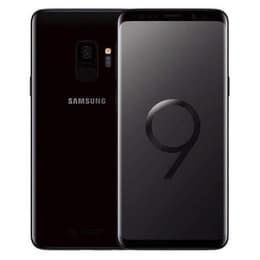
Galaxy S9
Galaxy S9
Starting at

Refurbished price:£77.00

Versus £449.00 new

See options
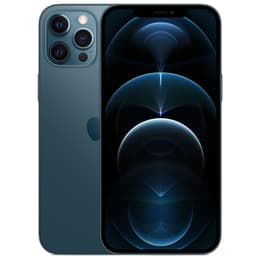
iPhone 12 Pro Max
iPhone 12 Pro Max
Starting at

Refurbished price:£236.00

Versus £979.00 new

See options

Ratings

The Samsung Galaxy S9 (2018) and the iPhone 12 Pro Max (2020) represent two distinct generations of smartphone technology, each catering to different user preferences and eras of design. While the Galaxy S9 was a flagship that focused on a compact form factor and traditional features, the iPhone 12 Pro Max arrived two years later as a larger, more powerful device designed for media consumption and professional-grade photography. The Galaxy S9 operates on the Android platform, offering a high degree of customisation, whereas the iPhone 12 Pro Max uses iOS, known for its seamless integration and long-term software support.

Choosing between these two devices involves weighing the benefits of a portable, classic design against the advantages of modern connectivity and extended software longevity. Both smartphones remain functional for daily tasks, but they offer very different experiences in terms of screen size, camera capabilities, and overall system responsiveness. This comparison explores how these differences impact real-world usage for modern consumers.

Scores

Durability

The age difference between these two smartphones plays a significant role in their expected functional lifespan and ongoing software compatibility.

  • Software Longevity: The iPhone 12 Pro Max continues to receive the latest iOS updates, providing users with new features and essential security patches for several years to come. In contrast, the Galaxy S9 has reached the end of its official software support cycle, meaning it remains on an older version of Android and will not receive further system-wide updates.
  • Build Durability: Both devices feature premium glass and metal constructions, but the iPhone 12 Pro Max introduced a flat-edge design and Ceramic Shield technology, which offers improved resistance to drops. The Galaxy S9 features curved glass edges that, while sleek, can be more susceptible to impact damage if not protected by a case.
  • Repairability: Both models are well-understood by repair professionals, though the Galaxy S9's older internal layout is often considered more straightforward for certain component replacements. Choosing a quality-assured refurbished option for either device can further extend its useful life while supporting a more sustainable electronics cycle.

Year of Release

2018

2020

Compatible with latest Update

No

Yes

OS

Android

iOS

Foldable

No

No

Performance

Performance levels vary noticeably between these generations, particularly when handling modern, resource-intensive applications or multitasking between several tasks.

  • System Responsiveness: The iPhone 12 Pro Max features internal hardware that remains highly capable today, ensuring that apps launch quickly and the interface remains fluid during heavy use. The Galaxy S9 is perfectly adequate for standard tasks like browsing and messaging, but users may notice occasional pauses or slower load times when running the latest high-end games or complex editing tools.
  • Multitasking and Memory: With a higher memory capacity, the iPhone 12 Pro Max is better equipped to keep multiple applications open in the background without needing to reload them. This makes it a more efficient choice for professionals who frequently switch between productivity apps.
  • Battery Endurance: The iPhone 12 Pro Max houses a larger battery that typically supports a full day of active use, including video streaming and navigation. The Galaxy S9 has a smaller battery capacity, which may require more frequent charging throughout the day for users who are constantly on their devices.

Memory (GB)

4 GB

6 GB

Screen quality

While both smartphones utilise advanced display technology to produce vibrant visuals, they offer vastly different viewing experiences due to their size and design.

  • Display Technology: Both phones use OLED panels, which provide deep blacks, high contrast, and rich colours. The iPhone 12 Pro Max features a much larger 6.7-inch screen, providing an expansive canvas for watching videos or reading documents. The Galaxy S9 offers a more modest 5.8-inch display, which is highly regarded for its clarity and ease of use with one hand.
  • Outdoor Visibility: The iPhone 12 Pro Max is capable of reaching higher brightness levels, making the screen easier to read when used outdoors in direct sunlight. The Galaxy S9 remains clear in most conditions but may struggle slightly more in very bright environments.
  • Visual Design: The Galaxy S9 is known for its curved "Infinity Display" and slim bezels at the top and bottom, avoiding any screen cutouts. The iPhone 12 Pro Max uses a flat display with a notch at the top to house the front-facing sensors, a design choice that maximises the screen-to-body ratio.

Resolution

1440 x 2960

1284 x 2778

Screen type

Super AMOLED

Super Retina XDR OLED

Audiovisual

The two-year gap in release dates is most evident in the camera systems, where mobile photography technology advanced significantly.

  • Lens Versatility: The iPhone 12 Pro Max is equipped with a triple-lens array, including wide, ultra-wide, and telephoto options, allowing users to capture everything from vast landscapes to distant subjects. The Galaxy S9 features a single rear camera that takes high-quality standard photos but lacks the flexibility of multiple focal lengths.
  • Low-Light Performance: Thanks to a larger sensor and advanced software processing, the iPhone 12 Pro Max excels in low-light photography, capturing more detail and reducing grain in night-time shots. The Galaxy S9 was a leader in its time for low-light photos, but it cannot match the clarity and exposure balance of the newer model.
  • Video Capabilities: The iPhone 12 Pro Max offers professional-grade video recording with superior stabilisation and the ability to record in high-dynamic-range formats. While the Galaxy S9 produces clear and stable video for casual use, it lacks the advanced cinematic features found on the more modern device.

Main camera

12 megapixels

12 megapixels

Front camera

8 megapixels

12 megapixels

Miscellaneous

Practical features and connectivity options differ based on the technological standards prevalent at the time each device was released.

  • Connectivity Standards: The iPhone 12 Pro Max supports 5G networks, enabling much faster mobile data speeds in areas with coverage. The Galaxy S9 is limited to 4G LTE, which is still widely available and sufficient for most browsing needs but lacks the future-readiness of 5G.
  • Biometrics and Ports: The Galaxy S9 includes a traditional fingerprint scanner on the rear and a 3.5mm headphone jack, which many users still prefer for convenience. The iPhone 12 Pro Max uses Face ID for secure unlocking and relies on a Lightning port, requiring an adapter or wireless options for audio.
  • Physical Handling: The Galaxy S9 is significantly lighter and narrower, making it comfortable for users with smaller hands or those who prefer a pocket-friendly device. The iPhone 12 Pro Max is a substantial smartphone that often requires two-handed use and feels much heavier due to its stainless steel frame.

Weight

163 g

226 g

Width

6,87 cm

7,81 cm

Height

14,77 cm

16,08 cm

Depth

0,85 cm

0,74 cm

Screen size (in)

5.8

6.7

Mobile network

4G

5G

SIM card

Physical SIM

Physical SIM + eSIM

Carrier compatibility

Unlocked

Unlocked

Connector

USB-C + Jack 3.5mm

Lightning

In summary, the choice between the Galaxy S9 and the iPhone 12 Pro Max depends largely on a user's specific priorities regarding size, software, and modern features. Based on common discussions in user forums, the Galaxy S9 is still praised for its ergonomic design, the inclusion of a headphone jack, and its high-resolution display that remains impressive years later. However, many users note that its battery life and lack of recent software updates make it better suited as a secondary device or for those with very basic smartphone needs.

The iPhone 12 Pro Max is frequently highlighted for its exceptional camera system, large immersive screen, and the reliability of the iOS ecosystem. While some users find its physical size and weight to be a drawback for daily portability, the consensus is that its performance and 5G capabilities make it a much more future-proof choice. Users who prioritise a compact, lightweight phone with classic features may lean toward the Galaxy S9, while those who require a powerful tool for media, photography, and long-term security will find the iPhone 12 Pro Max more aligned with their requirements.

Opting for an eco-friendly alternative by choosing a quality-assured refurbished model allows users to access these technologies while reducing their environmental impact. Both devices remain capable in 2026, provided the user's expectations match the specific strengths of each generation.


See all articles

Our recent comparisons