

Smartphones
Compare models
Differences at a glance
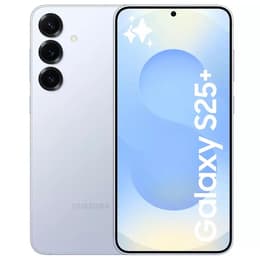
The Samsung Galaxy S25 Plus, released in early 2025, and the Google Pixel 9, launched in late 2024, represent two distinct approaches to the premium Android smartphone experience. While both devices offer robust performance and advanced features, the Galaxy S25 Plus often emphasizes cutting-edge hardware and a feature-rich ecosystem, whereas the Pixel 9 prioritizes an optimized software experience, advanced computational photography, and deep AI integration. Both smartphones operate on the Android platform, providing access to a wide array of applications, but they present different user interface philosophies.
Colour
Storage
When considering the long-term usability of a smartphone, factors like release timeline, software support, and physical durability are key. The Galaxy S25 Plus and the Google Pixel 9 both offer substantial longevity, though with slight differences.
Year of Release
OS
Foldable
The performance of the Galaxy S25 Plus and the Google Pixel 9 is driven by their respective processors, influencing how smoothly they handle daily tasks, demanding applications, and multitasking.
The visual experience on both the Galaxy S25 Plus and the Google Pixel 9 is a key differentiator, with each device offering a high-quality display tailored to different preferences.
Resolution
The camera systems on the Galaxy S25 Plus and the Google Pixel 9 approach photography with different philosophies, catering to varied user preferences for image capture and video recording.
Beyond core specifications, several practical elements contribute to the overall user experience of the Galaxy S25 Plus and the Google Pixel 9, from connectivity to physical design.
Weight
Screen size (in)
Mobile network
SIM card
Carrier compatibility
Connector
The Samsung Galaxy S25 Plus and the Google Pixel 9 each offer compelling features, but they cater to slightly different user priorities. Users often praise the Galaxy S25 Plus for its expansive and vibrant display, powerful performance, and long-lasting battery. Its versatile camera system, including a dedicated telephoto lens, is also a frequent highlight. Some users, however, note that while its camera is capable, it might not always match the consistent computational photography prowess of the Pixel.
The Google Pixel 9 receives acclaim for its exceptional camera, particularly its ability to produce natural and detailed photos in various conditions, and its deep integration of AI features that enhance the user experience. Its optimized software and compact design are also frequently mentioned as strong points. Criticisms sometimes revolve around the absence of a dedicated telephoto lens on the standard model and charging speeds that, while improved, may not be as fast as some competitors.
Users prioritizing a larger, high-resolution display, a dedicated telephoto camera, and raw processing power for demanding applications may find the Samsung Galaxy S25 Plus well-suited to their needs. Conversely, users who value a more compact device, an outstanding point-and-shoot camera experience driven by advanced computational photography, and a clean Android interface with robust AI capabilities will likely lean towards the Google Pixel 9. Both devices offer excellent long-term software support, making them sustainable choices. For those considering either of these powerful smartphones, exploring quality-assured refurbished options can provide an eco-friendly alternative.