
Compare models
Galaxy S25 Ultra Vs Google Pixel 10 Pro
- 1-year minimum warranty
- Free delivery on all items
- Free 30-day returns
Differences at a glance
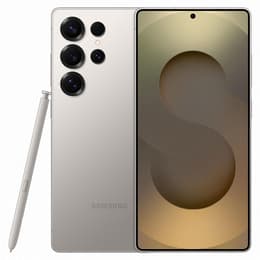
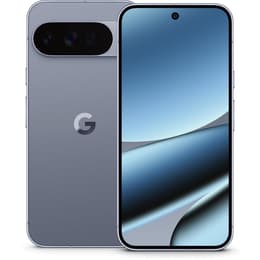
The Samsung Galaxy S25 Ultra (2025) and the Google Pixel 10 Pro (2025) represent two distinct approaches to the modern large-screen smartphone. While both devices occupy high-tier positions in the Android ecosystem and run on recent versions of the operating system, they cater to different preferences through contrasting hardware sizes, software interfaces, and daily utility features.
Available Models
Colour
Storage
Scores
Durability
Both smartphones provide robust long-term support timelines, though their physical footprints and build philosophies differ slightly.
- Software longevity: Both manufacturers pledge extensive operating system updates spanning multiple years, ensuring long-term feature access and security compliance for everyday users.
- Repairability and build: Both models utilize durable glass and metal frames alongside high water-resistance ratings, though professional repair networks differ by brand footprint.
- Expected lifespan: Solid internal hardware and sustained software maintenance mean both devices are well-equipped to last for several years of heavy daily use.
Year of Release
2025
2025
OS
Android
Android
Foldable
No
No
Performance
Underneath the exterior, both devices manage intensive tasks efficiently while utilizing different system architectures to balance speed and power efficiency.
- Multitasking and daily tasks: Both models handle app switching, web browsing, and heavy productivity software smoothly, supported by generous baseline random access memory.
- Battery behavior: Battery capacities vary to match each device's physical dimensions, with power management systems designed to sustain a standard day of mixed use under typical conditions.
- Storage capacity: Both smartphones are available in various storage configurations to accommodate large photo libraries, downloaded media, and offline applications.
Screen quality
Visual delivery differs chiefly through screen dimensions and panel calibration, though both offer high-refresh-rate viewing experiences.
- Display technology: Both devices feature advanced organic light-emitting diode panels with deep contrast levels and adaptive refresh rates reaching up to 120Hz for fluid scrolling.
- Outdoor visibility: High peak brightness levels ensure that text and images remain legible under direct sunlight, regardless of which model is chosen.
- Size and workspace: The Galaxy S25 Ultra provides a notably larger canvas suited for media consumption and multi-window multitasking, whereas the Pixel 10 Pro opts for a more compact footprint that is easier to handle with one hand.
Resolution
1440x3120
1280x2856
Audiovisual
Photography and video recording suites on both phones utilize multi-lens configurations backed by advanced computational processing.
- Imaging versatility: Both models feature primary, ultra-wide, and dedicated telephoto lenses, allowing users to capture detailed close-ups and wide scenes across varied lighting environments.
- Video recording: High-resolution video capture options include steady stabilization features and clear audio recording capabilities for casual vlogging or home videos.
- Media consumption: Built-in stereo speakers deliver balanced sound output for listening to podcasts or watching videos without external headphones.
Front camera
12
42 megapixels
Miscellaneous
Practical everyday features round out the hardware experience with modern connectivity standards and biometric security options.
- Connectivity: Both smartphones support rapid fifth-generation cellular data networks, advanced wireless local area networking standards, and short-range peripheral pairing.
- Security and biometrics: Fast authentication is handled via secure on-screen fingerprint sensors and facial recognition systems.
- Physical handling: The Galaxy S25 Ultra includes an integrated stylus for note-taking and precision input, while the Pixel 10 Pro focuses on rounded edges and a lighter overall weight for pocketability.
Weight
233 g
207 g
Screen size (in)
6.9
6.3
Mobile network
5G
5G
SIM card
Physical SIM + eSIM
Physical SIM + eSIM
Carrier compatibility
Unlocked
Unlocked
Connector
USB-C
USB-C
What the community thinks
Users comparing these two devices often point out that the Galaxy S25 Ultra excels through its expansive workspace, integrated stylus utility, and expansive display real estate, though some note its large physical dimensions can feel heavy in smaller hands. Conversely, users frequently praise the Google Pixel 10 Pro for its streamlined software interface and manageable pocket-friendly size, while noting that its zoom capabilities and battery endurance meet daily demands reliably.
Users prioritizing maximum screen space and precise stylus input may prefer the Samsung Galaxy S25 Ultra, while users seeking a more compact device with straightforward software integration often lean toward the Google Pixel 10 Pro. Exploring a quality-assured refurbished option provides a sustainable choice for acquiring either of these capable models.