
Compare models
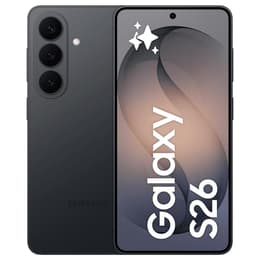
Galaxy S25 FE Vs Galaxy S26
- 1-year minimum warranty
- Free delivery on all items
- Free 30-day returns
Differences at a glance
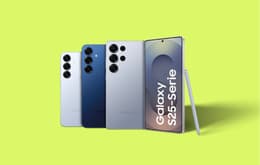
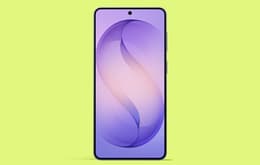
The Samsung Galaxy S25 FE (2025) and the Samsung Galaxy S26 (2026) represent two distinct tiers within Samsung's smartphone lineup, balancing flagship-tier design features with varying hardware configurations. While the Galaxy S25 FE focuses on delivering core modern smartphone capabilities in a larger footprint, the compact Galaxy S26 introduces refined internals and newer design dimensions. Both devices operate on Android with Samsung's custom user interface, yet they cater to different physical handling preferences and performance expectations.
Available Models
Colour
Storage (GB)
Scores
Durability
When examining longevity and physical durability, both devices are built to receive extended software support and regular security patches, though their release schedules place them a year apart.
- Software Support Timeline: The Galaxy S26 benefits from an extra year of primary operating system updates due to its 2026 launch window, while the Galaxy S25 FE maintains a robust update schedule starting from late 2025.
- Build and Repairability: Both models utilize durable glass panels and aluminum frames paired with official water and dust resistance ratings, aligning with modern repairability standards for sealed smartphones.
- Expected Lifespan: Users can anticipate several years of reliable daily operation from either handset, with the choice depending largely on how long one wishes to stay current with software generations.
Year of Release
2025
2026
Compatible with latest Update
Yes
Yes
OS
Android
Android
Foldable
No
No
Performance
System responsiveness and everyday utility differ primarily in RAM allocation and processor generation, impacting heavy multitasking and demanding software tasks.
- Multitasking and Memory: The Galaxy S26 generally equips higher base RAM configurations that facilitate seamless switching between multiple background apps, whereas the Galaxy S25 FE handles standard daily multitasking comfortably with its baseline memory configuration.
- App Loading and Gaming: The Galaxy S26 features a more current processor architecture that manages graphics-heavy gaming and rapid app launches with improved thermal efficiency, while the Galaxy S25 FE handles everyday browsing, streaming, and moderate apps smoothly.
- Battery Behavior: The Galaxy S25 FE incorporates a larger physical battery capacity to support its expansive screen, whereas the Galaxy S26 relies on processor efficiency to stretch its smaller cell through a typical day of mixed usage.
Screen quality
Display characteristics vary significantly in physical dimensions and handling feel, though both panels deliver crisp visuals for media and text.
- Display Technology: Both phones utilize vibrant OLED display panels that produce deep blacks, sharp contrast ratios, and clear indoor legibility.
- Size and Form Factor: The Galaxy S25 FE provides a larger viewing canvas suited for media consumption and split-screen reading, while the Galaxy S26 opts for a more compact screen size that improves one-handed reachability.
- Outdoor Usability and Smoothness: High refresh rate support ensures fluid scrolling across both models, and peak brightness capabilities allow content to remain visible under bright outdoor lighting conditions.
Audiovisual
Optics and media recording hardware offer reliable performance across diverse lighting conditions, featuring versatile multi-lens rear arrays.
- Camera Array Versatility: Both devices feature primary wide lenses, ultra-wide sensors, and telephoto options that capture detailed everyday photos and stable video footage.
- Low-Light Processing: Computational photography features on both models help reduce noise in dim environments, though newer processing pipelines in the Galaxy S26 offer slightly faster night scene rendering.
- Audio and Media Output: Stereo speaker setups on both handsets deliver clear sound for hands-free calls and casual video playback, supported by crisp multi-microphone arrays for voice recording.
Miscellaneous
Practical everyday features, connectivity standards, and physical dimensions shape the physical handling experience of each smartphone.
- Connectivity and Ports: Both models support rapid 5G cellular networks, modern Bluetooth standards, and USB Type-C physical connectivity for charging and data transfer.
- Physical Dimensions: The Galaxy S25 FE presents a broader and slightly heavier profile, whereas the Galaxy S26 is lighter and narrower, making it easier to slip into smaller pockets.
Weight
190 g
167 g
Screen size (in)
6.7
6.3
Mobile network
5G
5G
SIM card
Physical SIM + eSIM
Dual Physical SIM + eSIM
Carrier compatibility
Unlocked
Unlocked
Connector
USB-C
USB-C
What the community thinks
User feedback from online communities highlights distinct preferences for each device based on physical size and daily workflow demands. Owners of the Galaxy S25 FE frequently praise its expansive screen space and reliable everyday endurance, while noting that its larger footprint can feel cumbersome for one-handed use. Conversely, Galaxy S26 users appreciate the compact handling and swift system responsiveness, though some mention that heavy media sessions drain the smaller battery more quickly.
Users prioritizing a larger viewing area and extended physical screen estate may prefer the Galaxy S25 FE, while users prioritizing pocket-friendly dimensions and maximum processing headroom will lean toward the Galaxy S26. For those exploring sustainable purchasing habits, a quality-assured refurbished option provides an eco-friendly alternative that reduces electronic waste without compromising on core functionality. Ultimately, the choice rests on whether a larger workspace or a more compact form factor aligns better with your daily routine.