
Compare models

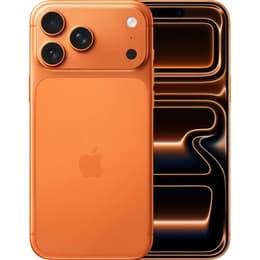
Galaxy S23+ Vs iPhone 17 Pro Max

  • 1-year minimum warranty
  • Free delivery on all items
  • Free 30-day returns
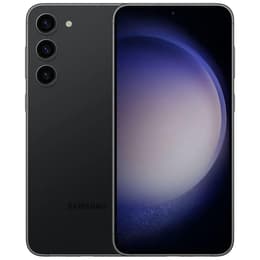
Galaxy S23+
Starting at

Refurbished price:£247.00

Versus £1,019.00 new

See options
iPhone 17 Pro Max
Starting at

Refurbished price:£944.00

Versus £1,199.00 new

See options

Differences at a glance

The Samsung Galaxy S23+ (2023) and the Apple iPhone 17 Pro Max (2025) represent distinct eras and ecosystems in high-end mobile technology. While the Galaxy S23+ offers a streamlined Android experience in a lighter format, the iPhone 17 Pro Max delivers Apple's largest flagship capability suite running iOS. Choosing between them involves balancing operating system preferences, physical dimensions, and generational feature sets.

Available Models

Colour

Storage

Scores

Durability

Device longevity and durability differ notably due to their respective release timelines and manufacturer support frameworks.

  • Release Timeline: The Galaxy S23+ debuted in early 2023, whereas the iPhone 17 Pro Max launched in late 2025, placing them generations apart in hardware evolution.
  • Software Longevity: Apple provides extensive multi-year iOS updates for its current flagships, while Samsung features a structured four-year major OS upgrade cycle from its release date.
  • Build Resilience: Both devices incorporate robust aluminum framing and hardened glass protection, though users seeking a quality-assured refurbished option can find sustainably restored models of each device through Back Market to extend device lifecycles.

Year of Release

2023

2025

Compatible with latest Update

Yes

Yes

OS

Android

iOS

Foldable

No

No

Performance

Both smartphones handle demanding daily requirements effortlessly, though their underlying architecture and multitasking styles differ.

  • System Responsiveness: Applications load rapidly, and heavy multitasking or complex mobile games run smoothly on both models without noticeable stutter.
  • Storage and Memory: The iPhone 17 Pro Max provides higher baseline RAM alongside extensive storage configurations reaching up to two terabytes, while the Galaxy S23+ utilizes efficient flash storage tiers suited to standard user libraries.
  • Battery Behavior: The larger physical footprint of the iPhone 17 Pro Max accommodates an expansive battery capacity supporting extended heavy usage, whereas the Galaxy S23+ relies on a moderate cell that easily handles a standard day of mixed tasks.

Screen quality

Viewing experiences on both handsets feature bright, high-refresh-rate panels designed for vivid media consumption and outdoor visibility.

  • Display Technology: Both devices employ advanced organic light-emitting diode panels that deliver deep black levels, sharp contrast, and vibrant color reproduction.
  • Smoothness and Refresh Rate: Adaptive high refresh rates up to 120Hz ensure fluid scrolling, responsive touch tracking, and seamless animation transitions across menus.
  • Size and Format: The iPhone 17 Pro Max provides a sprawling 6.9-inch display real estate suited to immersive viewing, while the Galaxy S23+ offers a slightly more compact alternative that remains comfortable for single-handed navigation.

Resolution

1080 x 2340

2868x1320

Screen type

Dynamic AMOLED 2X

Super Retina XDR

Audiovisual

Multipurpose camera arrays on both smartphones capture detailed photos and stable videos across varied lighting conditions.

  • Main and Zoom Optics: Both systems feature high-resolution primary sensors accompanied by dedicated telephoto options for capturing distant subjects with minimal clarity loss.
  • Video Capabilities: Recording functions include high-frame-rate options, robust stabilization, and cinematic depth effects suitable for creative projects or personal memories.
  • Audio and Media Output: Stereo speaker setups on both models deliver clear voice reproduction for calls and full-bodied sound during media playback.

Main camera

50 megapixels

48 megapixels

Front camera

12 megapixels

18 megapixels

Miscellaneous

Practical everyday features round out the hardware experience, focusing on connectivity, physical handling, and biometrics.

  • Connectivity Standards: Both handsets support swift fifth-generation cellular networks, modern wireless local area networking protocols, and secure contactless payment capabilities.
  • Interface Ports: The iPhone 17 Pro Max utilizes a universal reversible data connector, matching the high-speed standard found on the Galaxy S23+.
  • Biometrics and Handling: Secure face authentication comes standard on the Apple device, while Samsung incorporates a responsive ultrasonic fingerprint reader beneath the display glass.

Weight

168 g

233 g

Screen size (in)

6.6

6.9

Mobile network

5G

5G

SIM card

Dual Physical SIM + eSIM

Physical SIM + eSIM

Carrier compatibility

Unlocked

Unlocked

Connector

USB-C

USB-C

What the community thinks

Users evaluating these two smartphones generally find that choice depends heavily on preferred software ecosystems and physical dimensions. Owners switching between Android and iOS will notice distinct interface paradigms, app management styles, and notification handling methods. Those who prefer a sprawling screen and extended battery endurance often lean toward the iPhone 17 Pro Max, while individuals favoring a lighter, more compact handling profile frequently prefer the Galaxy S23+.

Common praise for the Galaxy S23+ centers on its comfortable ergonomics and reliable daily performance, though some users note that its battery capacity requires more frequent recharging during intensive tasks. Conversely, the iPhone 17 Pro Max receives praise for its expansive display and robust endurance, though its larger physical footprint can feel heavy during prolonged single-handed use. Choosing between them comes down to prioritizing either compact daily portability or maximum media space. For shoppers interested in a sustainable choice, exploring quality-assured refurbished models on Back Market offers an eco-friendly alternative to purchasing newly manufactured hardware.
Our recent comparisons